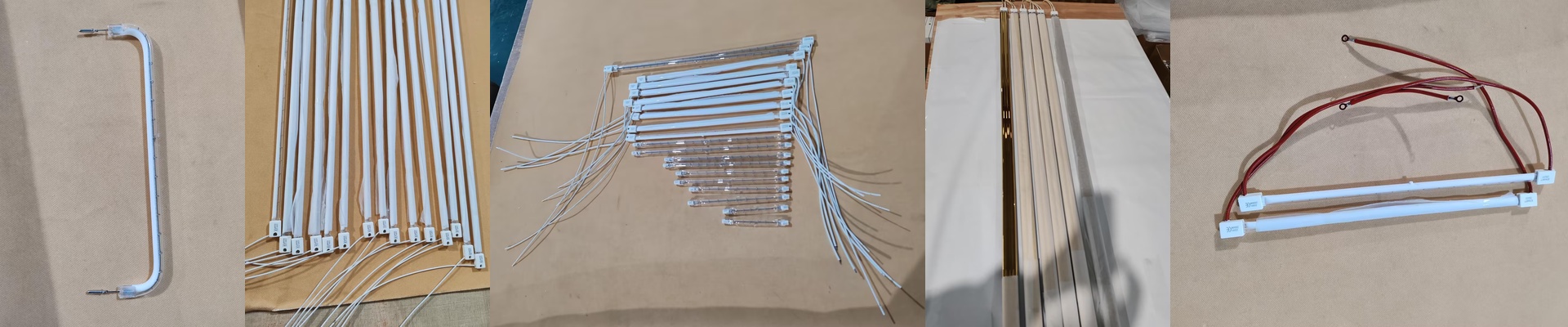
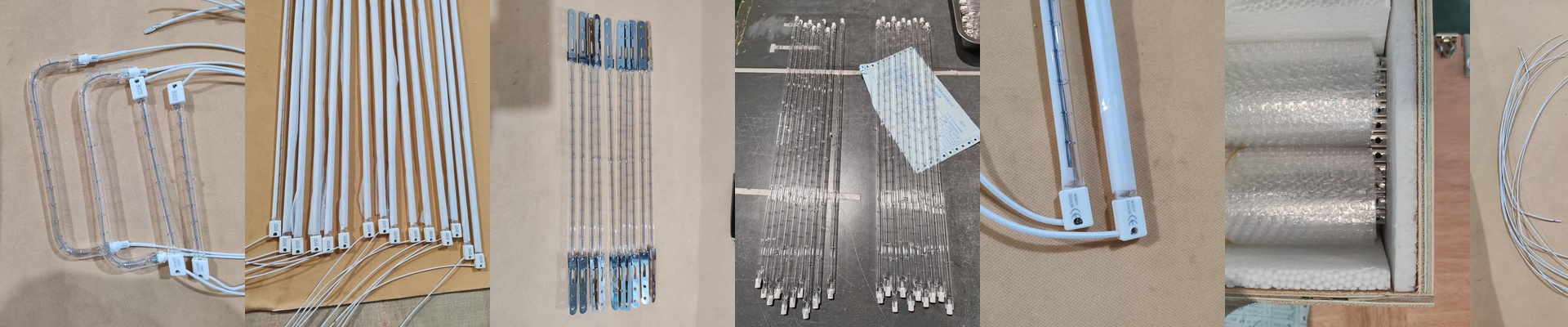
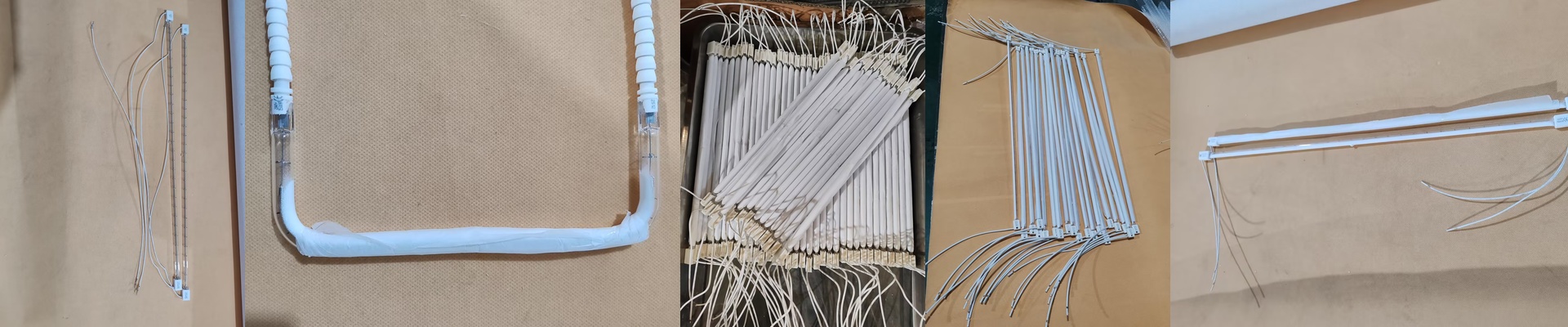
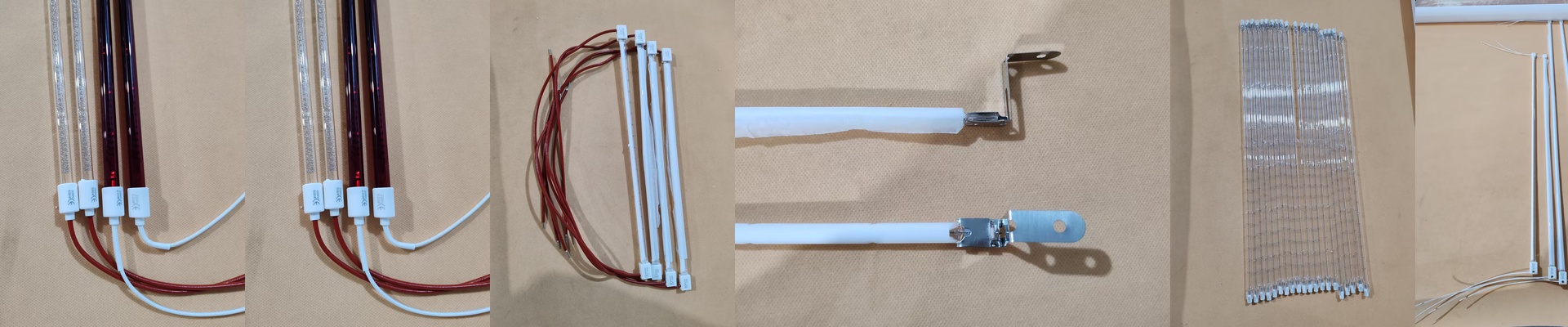
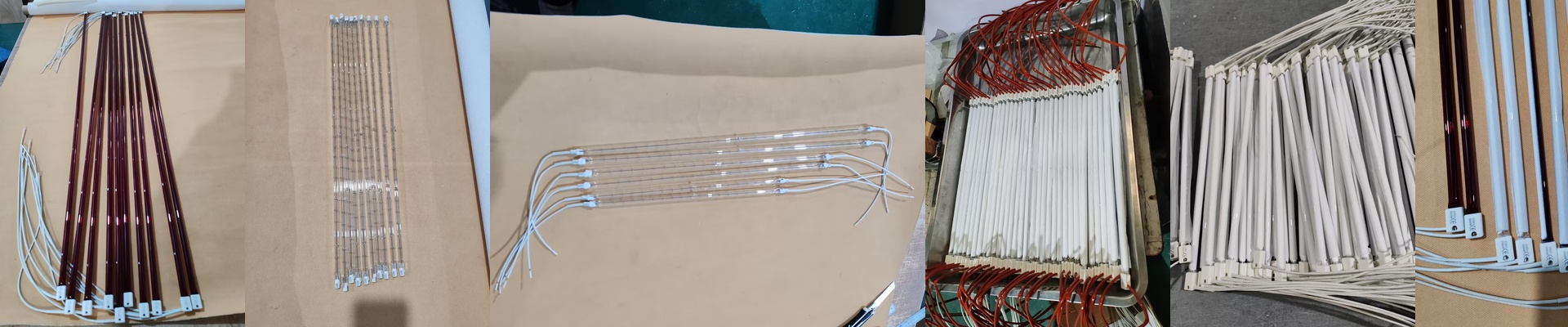
Stop Overpaying for Your Heating Elements
Let’s be honest: most engineers are getting ripped off on infrared heating elements. You’re paying a massive markup just because some trading company sits in the middle of the deal. We do things differently. We run our own factory. That means you get the exact same technical specs, but without the “middleman tax.” This isn’t some fancy marketing play—it’s just a way to keep your production costs where they should be.
Getting the heat right
Heating plastic is a bit of a balancing act. You need the right wattage and wavelength to hit that sweet spot—the glass transition temperature—without accidentally scorching your material. Whether you’re dealing with PET blowing or shrink wrapping, you want high heat density. Why? Because it lets you shorten your cycle times. Faster cycles mean more parts out the door. Simple as that.
The trade-off you need to know about
High-wattage tubes are great because they heat up fast. But there’s a catch. When you cram that much power into a small space, you put a lot of stress on the quartz envelope. If your cooling fans can’t handle the heat load, your lamps are going to burn out way too soon. It’s frustrating and expensive. One quick tip: stick strictly to the lamp’s voltage rating. If you don’t, you’ll likely deal with flickering or a filament that gives up the ghost prematurely.
Swapping them out
Nobody wants to spend their weekend rewiring a control panel. That’s why we use standard connectors like R7s or Sk15. They’re designed to be drop-in replacements for the rigs you already have. Just swap the lamp, calibrate your PID controller, and you’re back in business.
The real win
Buying straight from the shop floor means you’re paying for the actual materials and the engineering. No distributor commissions. No fluff. It keeps your initial setup costs down and makes replacing parts a lot less painful. You get the length and wattage you actually need, and hardware that just works.