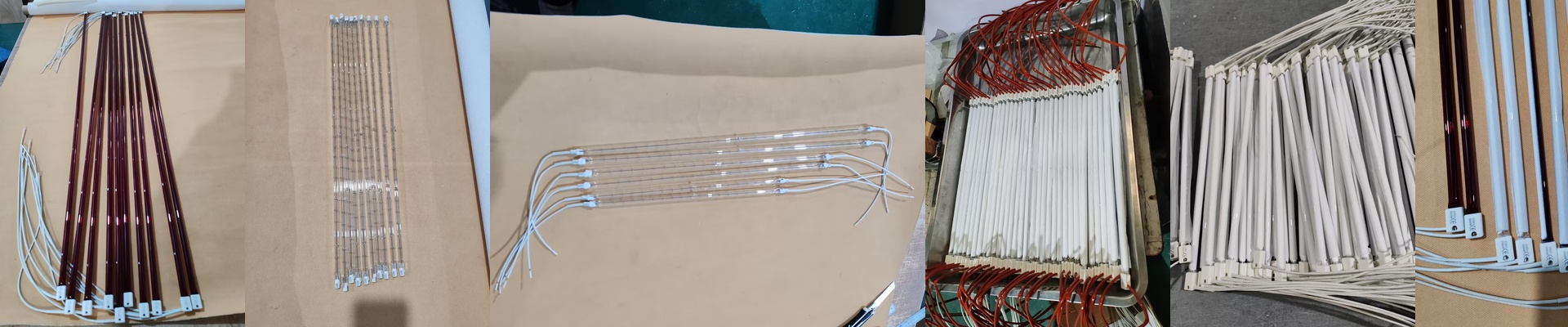
Why Some Quartz Lamps Just Last Longer
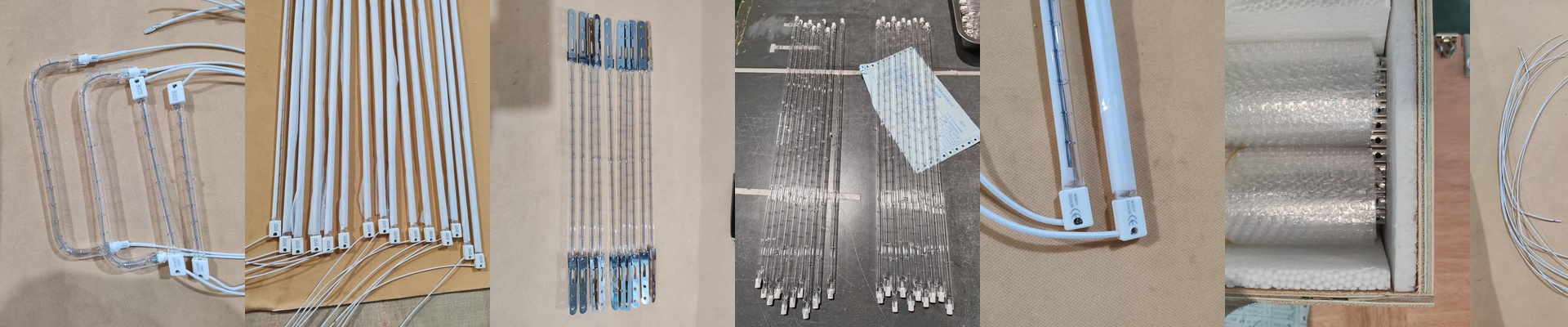
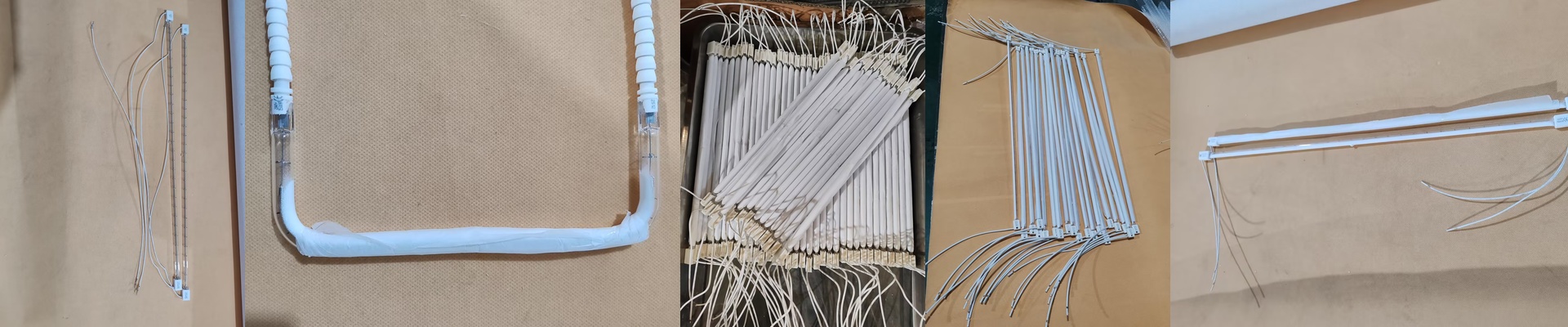
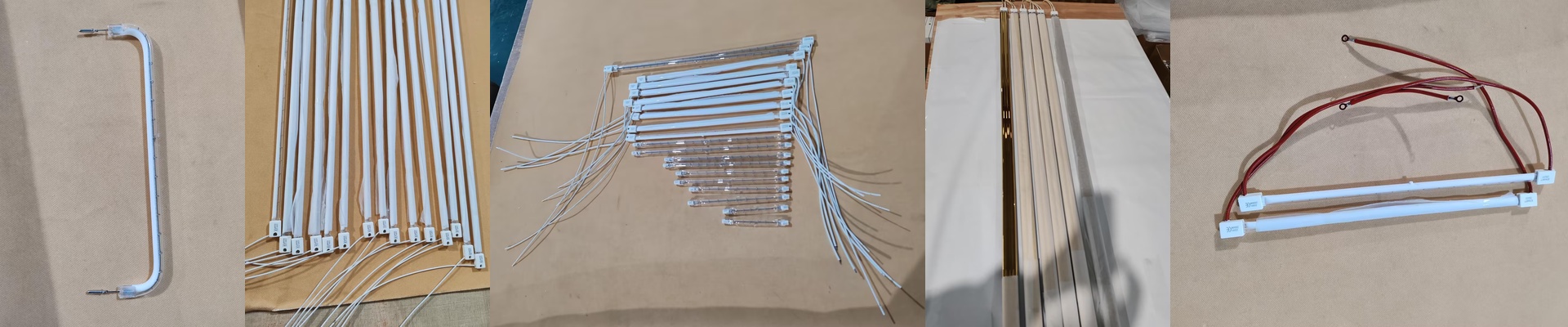
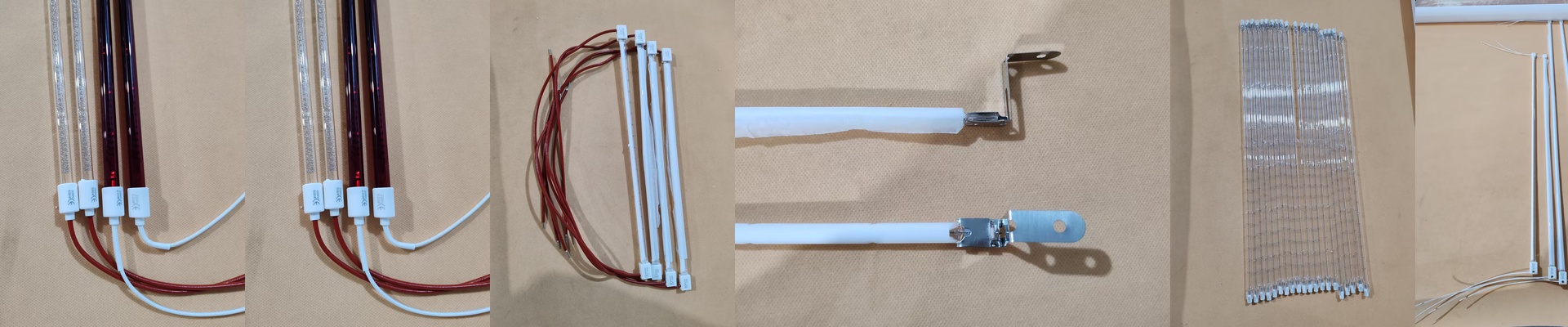
Ever wonder why there’s such a price jump between a decent quartz lamp and the top-of-the-line stuff? Most people think they’re just paying for a fancy logo. But honestly? It’s all in the ingredients. If you’re doing PET blowing or shrink wrapping, you know the frustration of a lamp popping right when you’re in the middle of a run. To stop that from happening, you have to look at what the lamp is actually made of. The glass and the wire We use high-purity synthetic quartz. Why? Because when things get screaming hot, cheap glass starts to soften or warp. If there are impurities in the glass, you get “hot spots.” That’s usually where the tube fails first. Then there’s the filament. This is where the real magic happens. We use tungsten with a grain density that rivals the biggest names in the business. Here is the problem with cheap filaments: they thin out unevenly. One spot gets too thin, the resistance spikes, the temperature jumps, and—pop—there goes your lamp. Using the good stuff keeps the heat steady for thousands of hours. The balancing act High wattage is great. It gives you the heat you need to keep your cycle times fast. But there’s a catch. When you push a lot of current through a short tube, you’re putting a ton of stress on the electrodes. And if your power supply isn’t stable? Those voltage ripples will eat your filaments for breakfast. It’s a brutal way to kill a perfectly good lamp. Real world setup We designed these to be simple drop-in replacements. No need to rewire your racks or mess around with your layout. We’ve benchmarked our materials against the market leaders so you get that same stability and runtime, just without the “big brand” tax. One last tip:Keep your reflectors clean. It sounds simple, but a dirty reflector bounces heat right back into the tube. No matter how high-end the glass is, that extra heat will shorten the lamp’s life every single time.