Stop Bleeding Cash on Your Heating Lamps
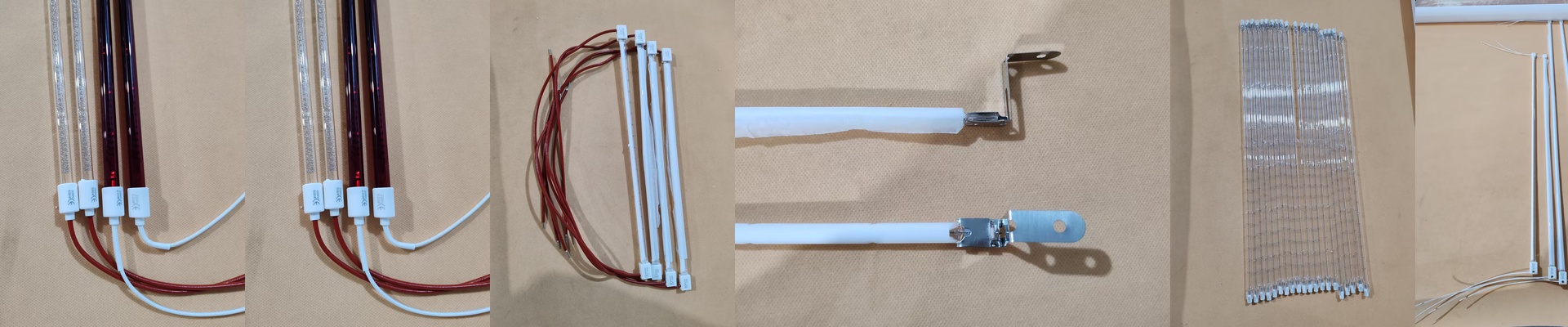
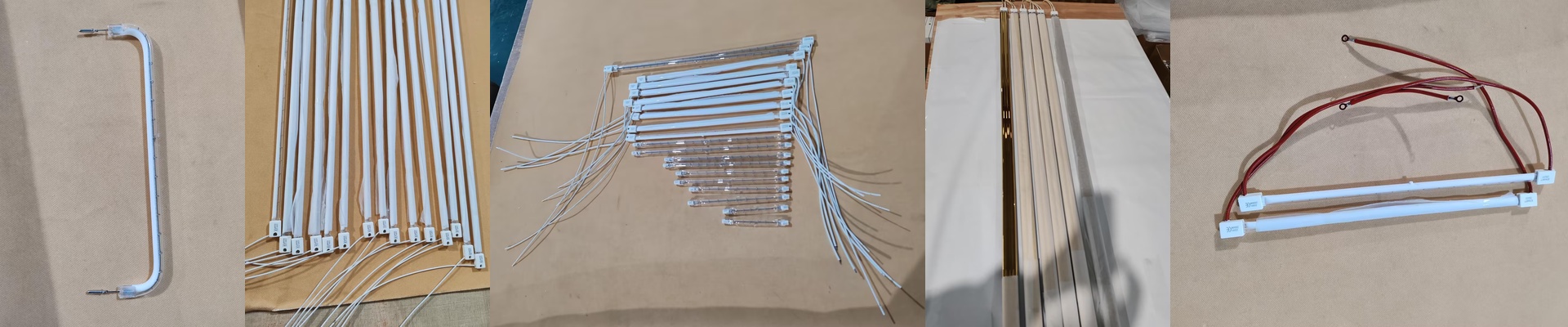
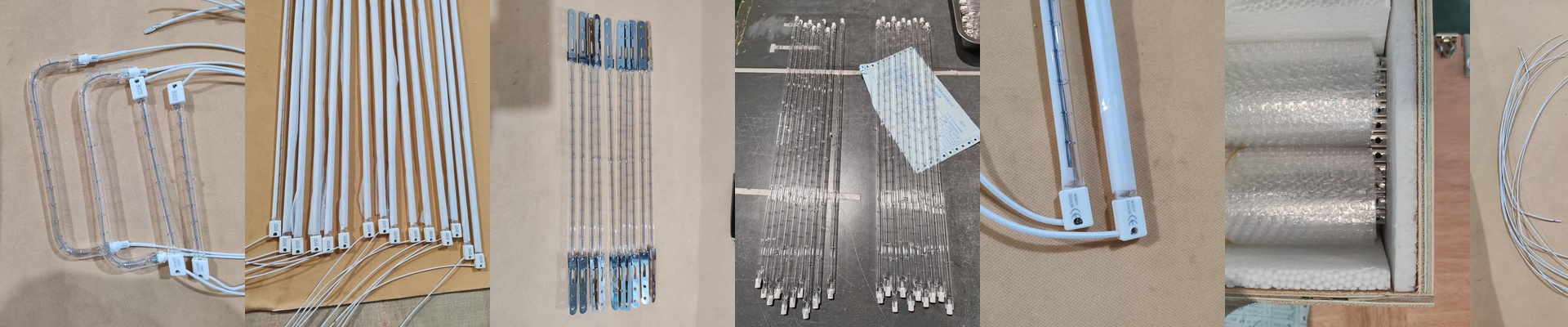
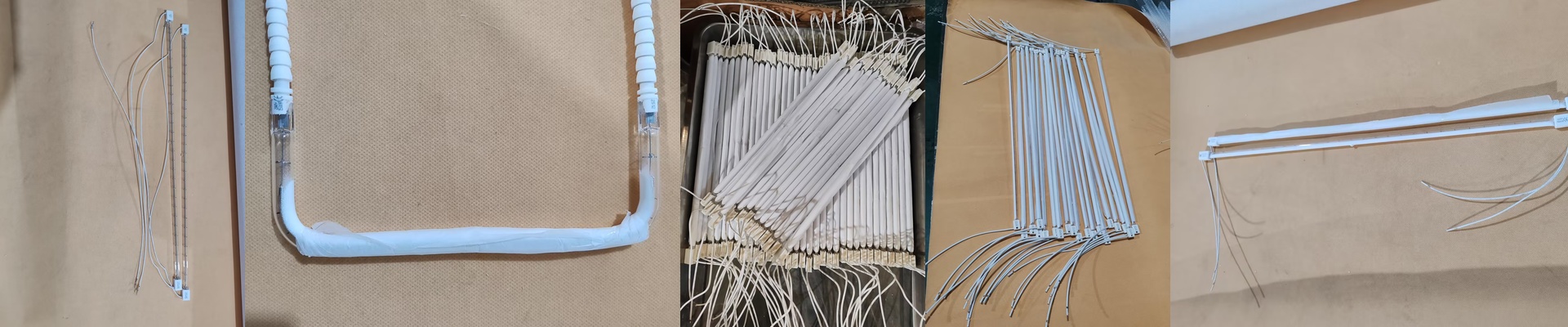
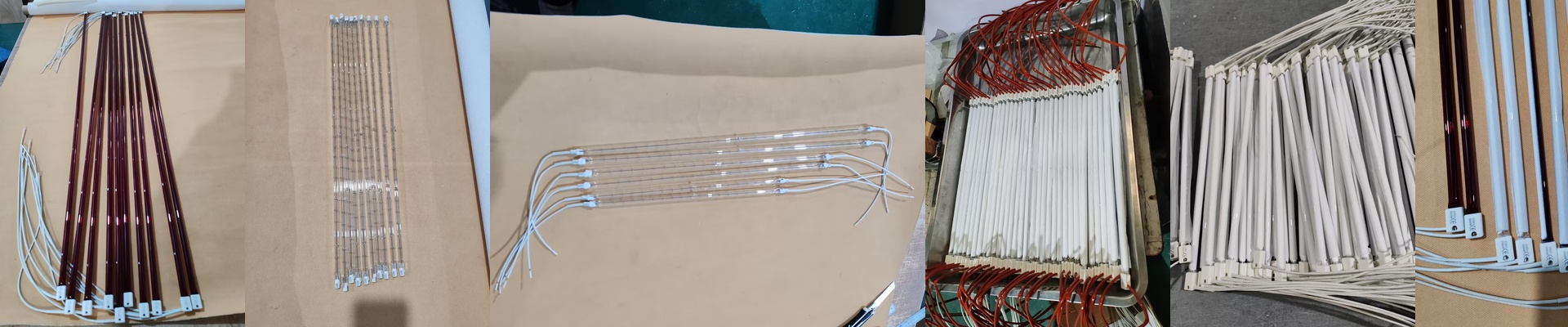
Let’s be honest about plastic processing. Energy costs are a nightmare. Whether you’re running PET blowing or thermoforming, the heating zone is where the battle for your profit margin is actually won or lost. I see it all the time. A plant manager tries to save a few bucks by buying generic, cheap lamps. It seems like a win until the scrap rates climb and the electricity bill arrives. You aren’t saving money; you’re just paying for it in wasted kWh and headaches. It’s all about the wavelength. People think infrared lamps are just about “brightness.” They aren’t. It’s about whether the plastic actually takes the heat. If the wavelength is off, the energy just bounces off the surface or heats up the air in the room. That’s just expensive air conditioning. We use high-wattage density tubes that hit the material instantly. It cuts down the warm-up time and lets you crank up the line speed without worrying about under-heated preforms. The gear that actually lasts We stick with quartz glass and halogen gas fills. Why? Because they let the filament run hotter without just popping. Most standard lamps will give up the ghost the moment you push them past 100%. Our tubes can handle the surge. Plus, you get a tighter thermal footprint, which means you can move the lamps closer to the product. But here’s the catch. These things put out some serious heat. If your cooling fans or heat shields are outdated, you’re going to melt your wiring or warp your machine frame. You can’t just slap a high-output lamp into a low-end rig and hope for the best. You’ve got to make sure your thermal management can keep up. The real win At the end of the day, it comes down to the clock. If you can shave just two seconds off your heating cycle per piece, the savings add up fast—especially when you’re running 24/7. That’s the only way to keep your margins safe when electricity prices decide to spike.