Stop Trusting the Datasheet: The Real Truth About Plastic Heating
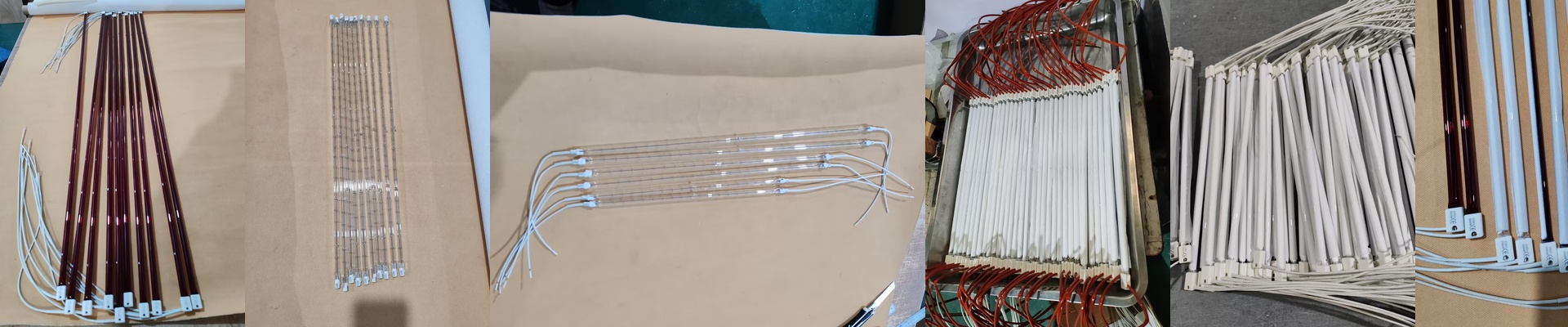
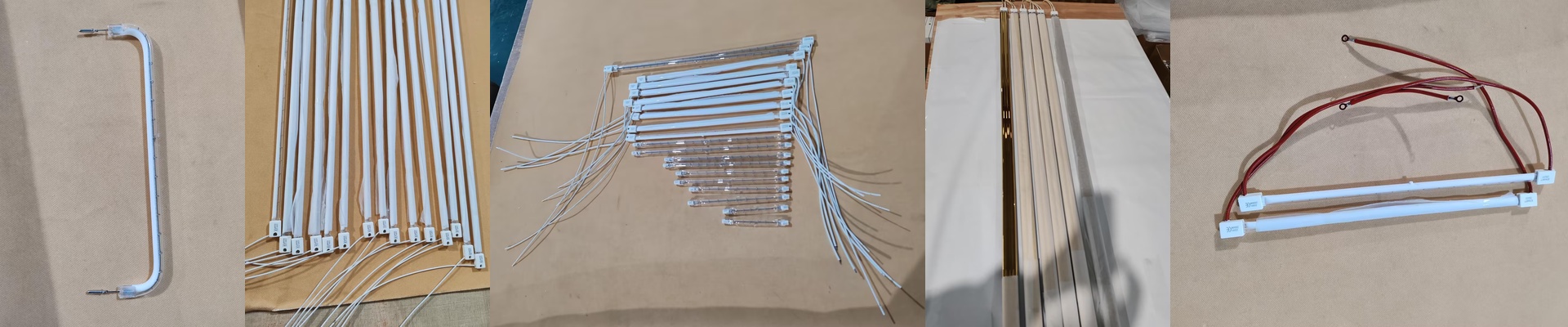
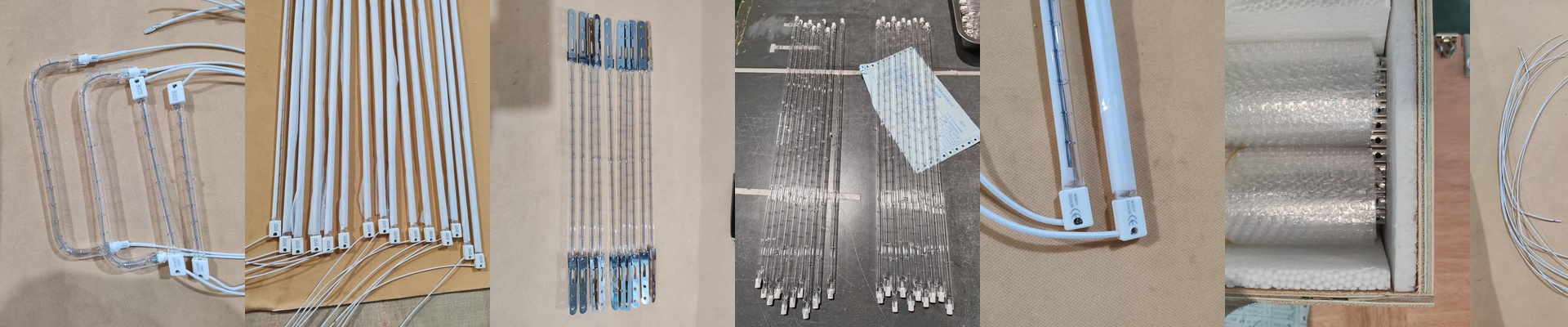
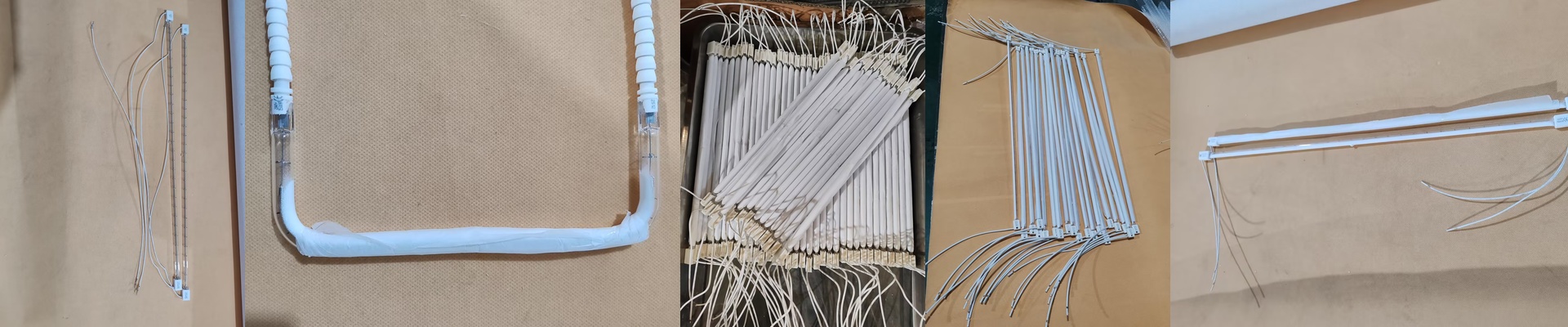
When you’re picking out heating lamps for plastic processing, the numbers on the spec sheet—wattage, voltage, all that—only tell you half the story. I see it all the time. An engineer swaps one lamp for another because the specs match perfectly, but then they get to the floor and realize the preform isn’t heating evenly. It’s frustrating. The problem isn’t the wattage; it’s how the heat actually behaves and how it spreads across the tube. The rush to get hot Here is the thing: two lamps can have the same rating, but they won’t hit the target temperature at the same speed. That speed is what dictates your cycle time. We spend a lot of time looking at the temperature rise curve. If the heat spikes too fast, you end up with hot spots that burn your plastic. Too slow? Your throughput tanks. We’ve tweaked our filament winding so the heat stays steady from the second you flip the switch. No surprises. The “Cold End” Problem This is where the cheap lamps usually fall apart. If you’re doing PET blowing or shrink wrapping, even a tiny 5% dip in heat distribution can mess up the wall thickness of your final part. It’s a nightmare to fix after the fact. We fix this by obsessing over where the filament actually sits. By tightening the tolerances on the quartz envelope and the internal supports, we get rid of those annoying “cold ends” you see in lower-grade tubes. You get a consistent glow from end to end. The Trade-off Now, pushing a ton of heat into a short tube is the goal, but it’s a balancing act. The more wattage you cram in, the more stress you put on the quartz. You’ll get your heat faster, sure, but you have to make sure your cooling fans can keep up. If the housing gets too hot, you’re looking at melted sockets. Not a good day at the office. If you’re using Henruite tubes, do yourself a favor and run a side-by-side test. Grab a thermal imager and look at the surface temperature across the length of the tube. The images don’t lie—they’ll show you exactly where the heat is dropping off and where it’s hitting the mark.