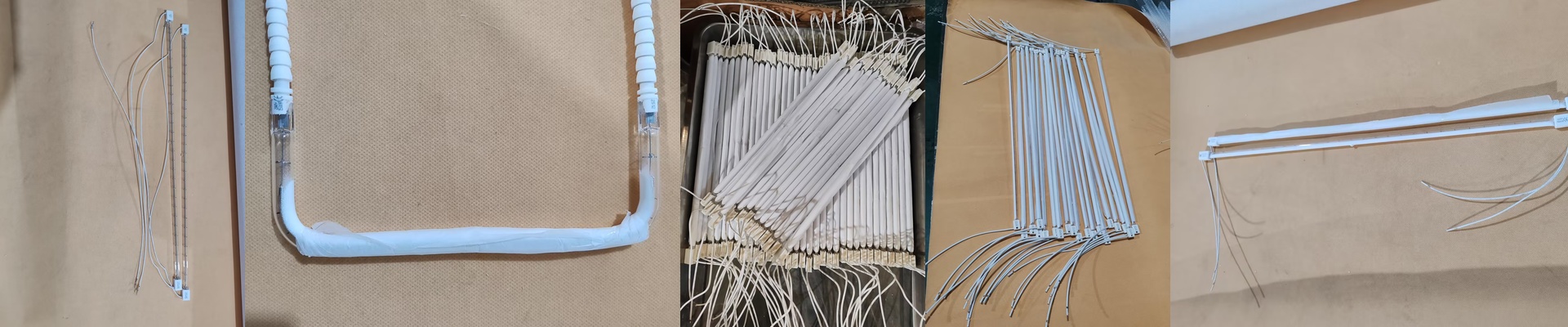
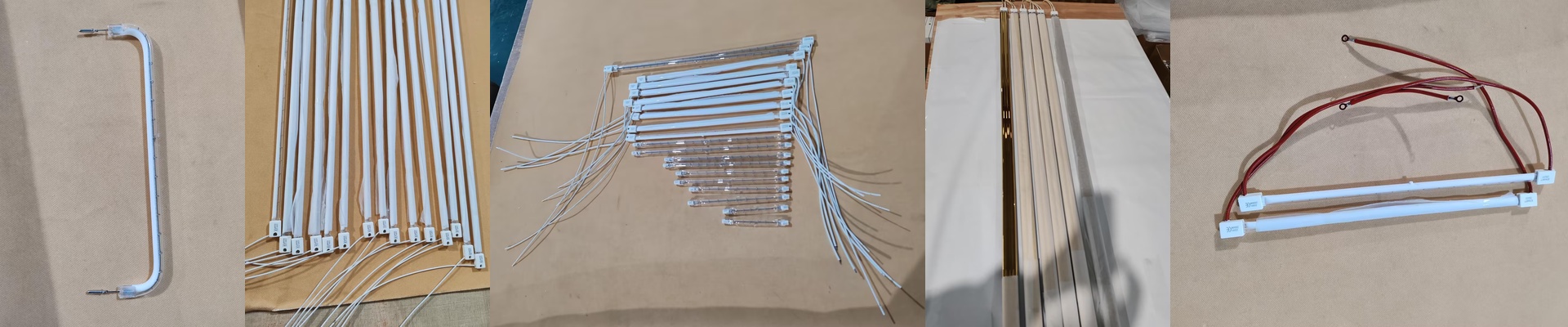
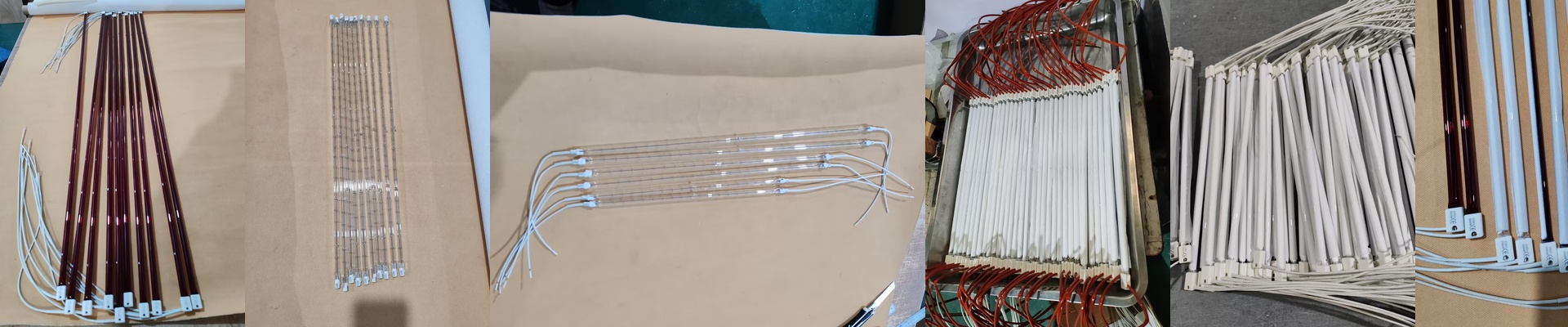
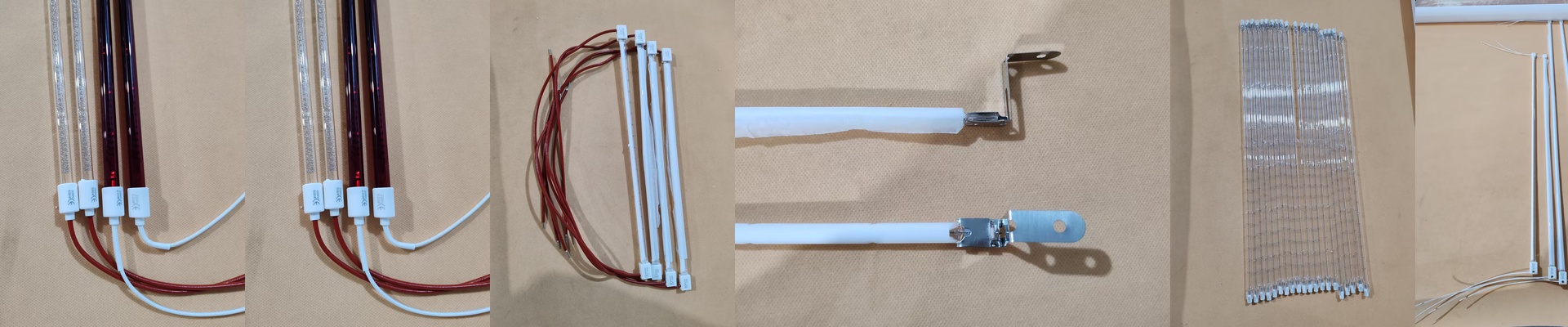
Let’s Talk About the 2000W Halogen Lamp
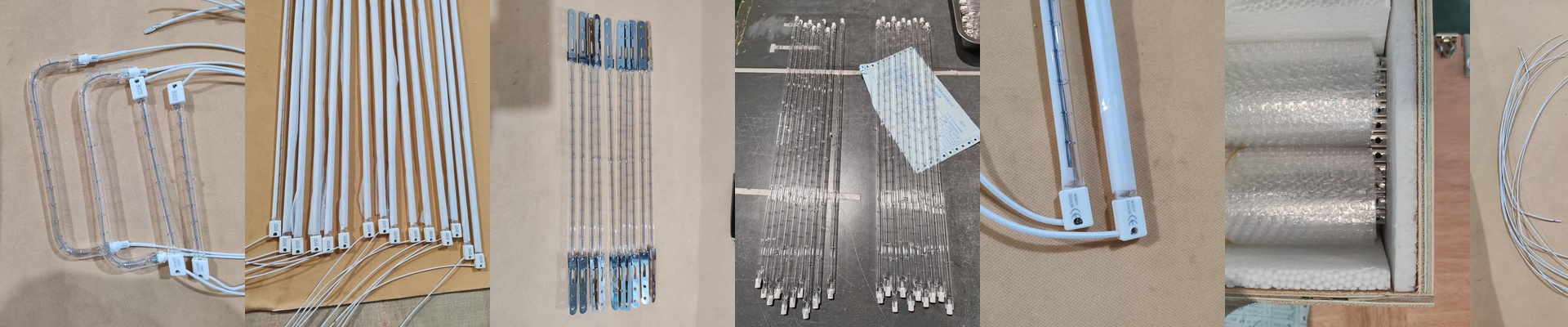
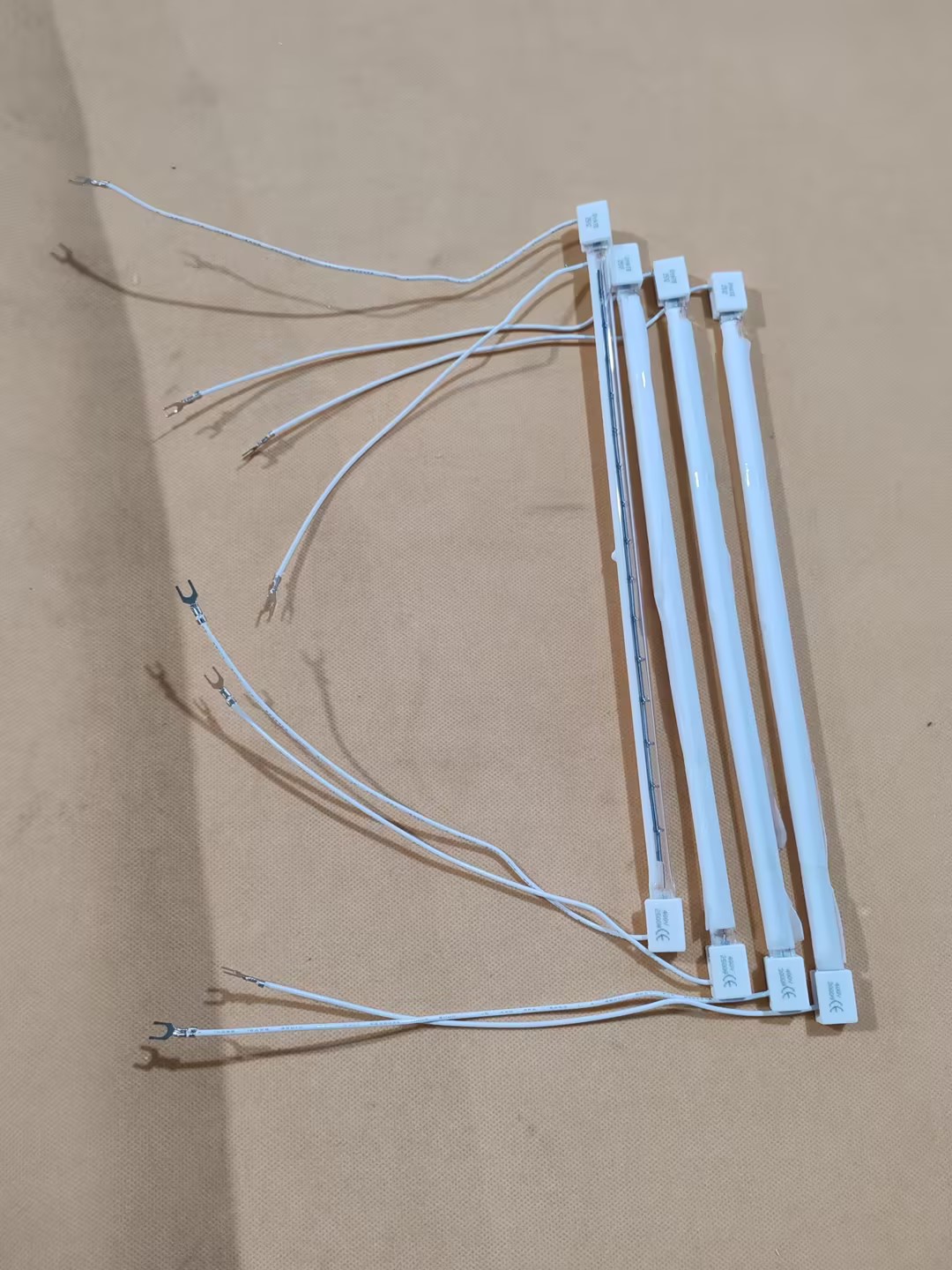
When you’re dealing with heavy-duty thermal loads, you need something that doesn’t just “warm up”—you need heat, and you need it right now. That’s why we built these 2000W halogen lamps. Instead of your typical resistive heater, we use a tungsten filament tucked inside a quartz envelope filled with halogen gas. It’s a clever bit of chemistry that lets the filament run scorching hot without burning itself out too quickly. The result? A concentrated blast of shortwave infrared radiation that hits your target surface the second you flip the switch. The power side of things Packing 2000W into a small tube creates an insane amount of heat flux. It’s designed for those moments where you can’t afford to wait for a slow ramp-up. Here’s a tip: pay close attention to your wattage-to-length ratio. That’s what decides how your heat actually spreads. And if you’re squeezing a high-wattage lamp into a tight space,**make sure your reflectors are polished to a mirror finish.**If they’re dull, you’re just wasting energy and risking a melted housing. The nitty-gritty on materials We use quartz glass because it can handle the shock of going from cold to extreme heat without cracking. The halogen recycling keeps the filament alive longer, but there’s a catch. **Don’t touch the glass with your bare hands.**Even a tiny bit of oil from your skin can cause a hot spot and ruin the lamp. As for the fit, we stick with the basics like R7s or Sk15 connectors. They’re standard for a reason—they just work. They drop right into most industrial ovens and keep the electrical contact tight, so you don’t have to worry about arcing when you’re running at full blast. Where these actually live (and what to watch out for) You’ll usually see these in PET blowing machines, paint curing lines, or plastic welding setups. They’re perfect for conveyor belts because they react instantly. But look, there’s a trade-off. All that concentrated heat can easily cook your surrounding machinery if your cooling fans aren’t up to the task. You’ll also want a solid PID controller to manage the duty cycle. Without one, a simple power surge could snap your filament in a heartbeat.