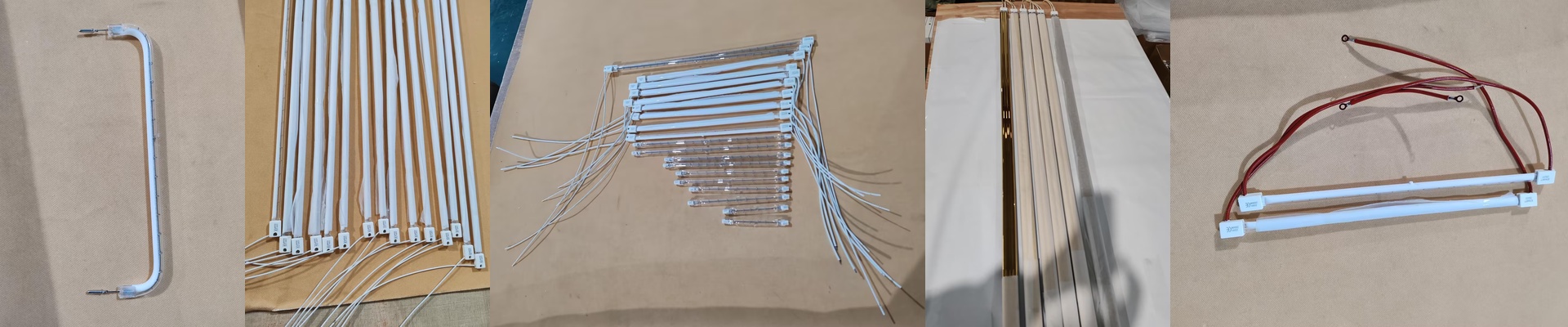
Stop Overpaying for Your Automotive IR Heaters
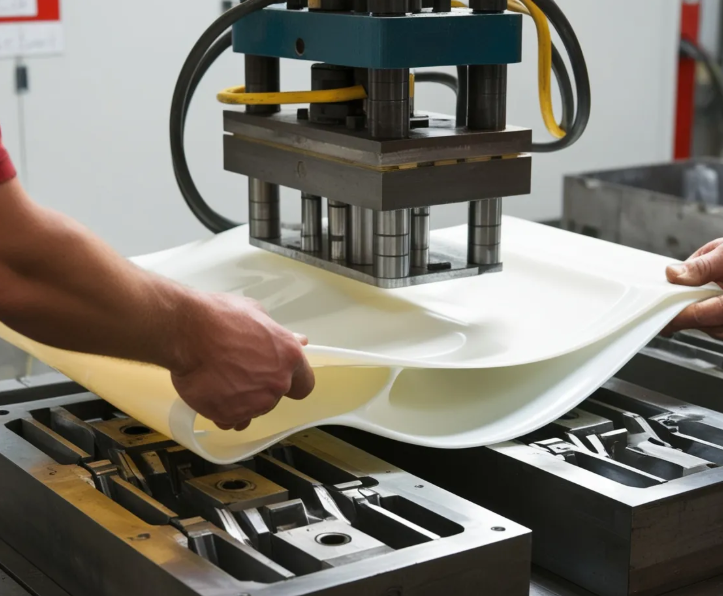
In automotive injection molding, heat is everything. If your thermal control is off, your parts are scrap. Most Tier-1 shops start out with European infrared (IR) heaters. Why? Because the brand names feel safe. They feel reliable. But once you start scaling up production, those import costs start to bite. It becomes a massive bottleneck. Lately, I’ve seen more and more engineers making the jump to domestic “drop-in” replacements. They’re cutting overhead without losing that critical heat density.
How to actually trust a new supplier
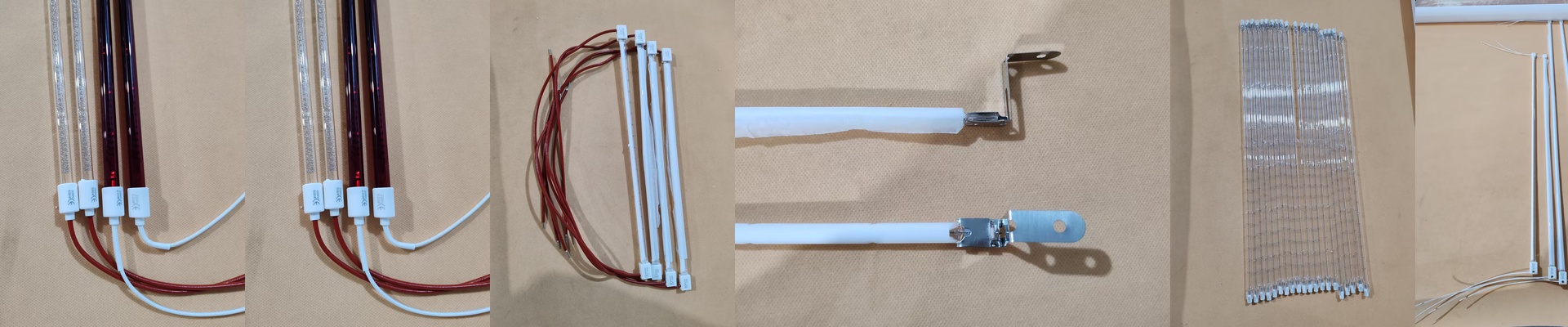
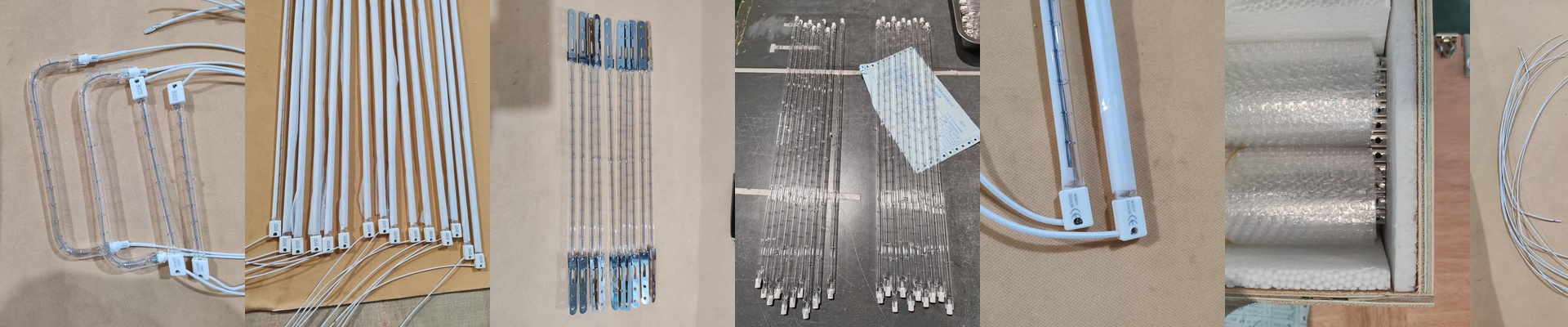
You don’t switch your heating setup because a sales brochure looked pretty. You do it because the specs match. Here’s the thing: if your process relies on short-wave IR to flash-heat PET or polycarbonate, a generic lamp is just a waste of money. It won’t work. We focus on matching the wattage and voltage exactly. That way, you aren’t ripping apart your control cabinets or rewiring everything just to save a few bucks. Then there’s the quartz tube. Cheap glass is a nightmare—it burns out the second things get stressful. We use high-purity quartz. It can actually handle the constant expanding and contracting of a line that runs 24/7.
The real-world trade-offs
Can a domestic lamp match a premium European brand? Usually, yes. But the tolerances are a bit different. A high-end European lamp might have a ±2% power variance. A cost-effective alternative might be closer to ±5%. For most automotive plastic parts, you won’t even notice. But if you’re working with ultra-thin walls, you’ll need to tweak your PID controllers to account for that slight shift. It’s a quick fix, and it works.
Why make the switch now?
It mostly comes down to the headache of lead times. Waiting six weeks for a replacement part to ship from Europe is a killer. It destroys your OEE and leaves your machines sitting idle. When you spec out a domestic equivalent that fits your existing R7s or Sk15 sockets, that downtime vanishes. You’re getting the same thermal energy on the plastic, but your maintenance budget finally stops leaking.