Can you actually cut your oven power bills by 20% just by swapping some parts?
I’ve spent a lot of time walking through old plastic processing plants, and it’s always the same story. You see these massive ovens that are basically just giant heat leaks. Between the aging heating elements and the shaky thermal control, you’re paying to heat the entire room, not just your product. The big question is: can you just swap out the infrared (IR) elements and actually save 20% on energy, or do you have to tear out the whole tunnel and start over?
How the swap actually works
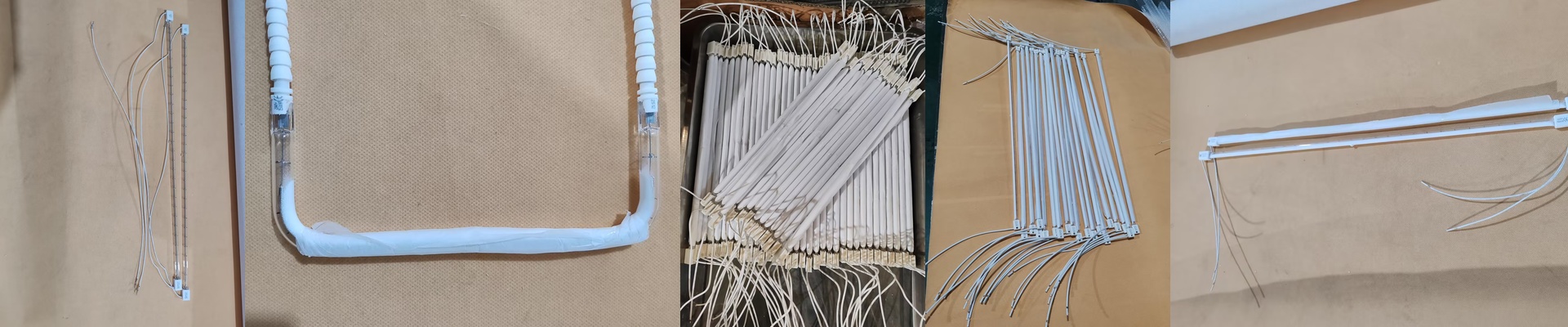
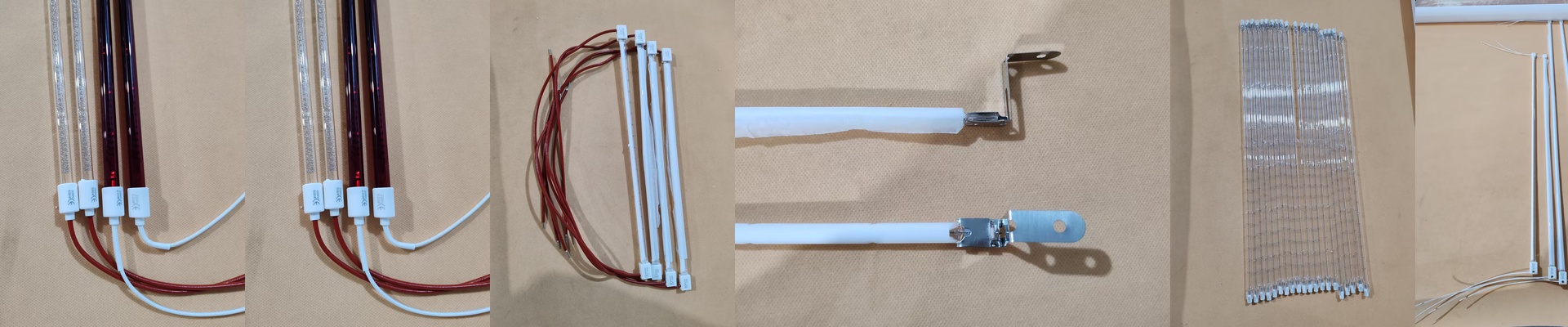
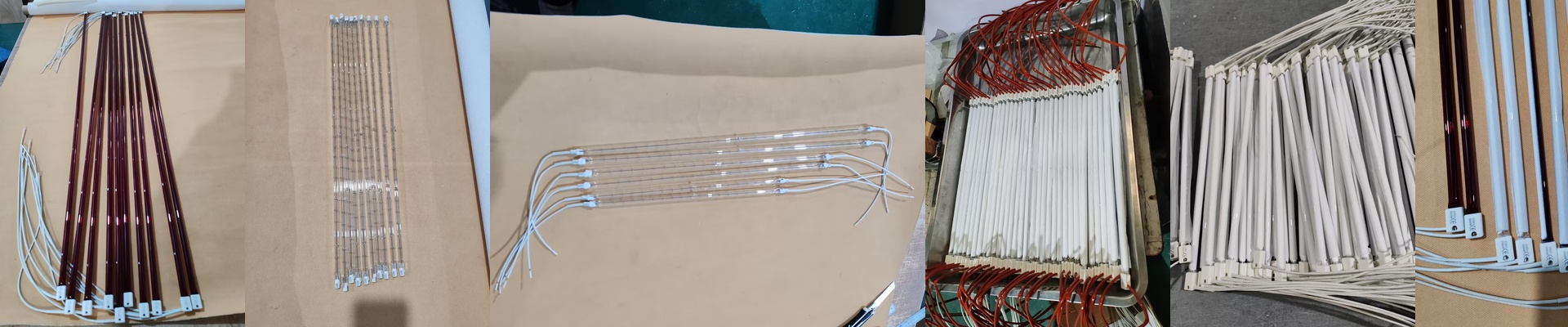
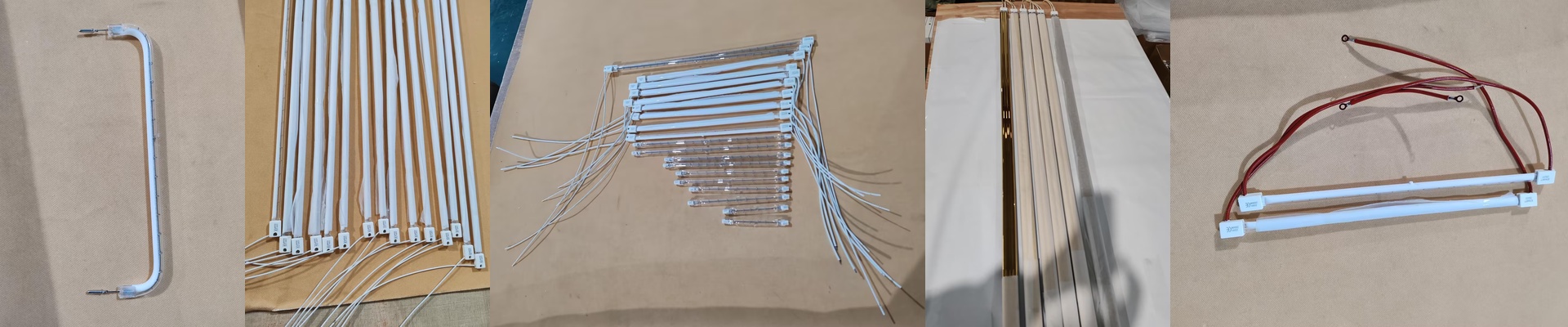
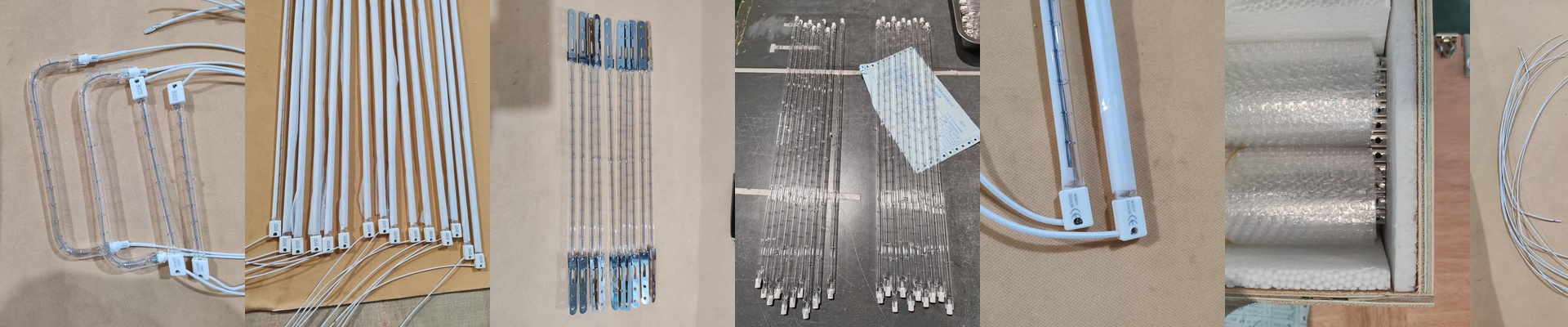
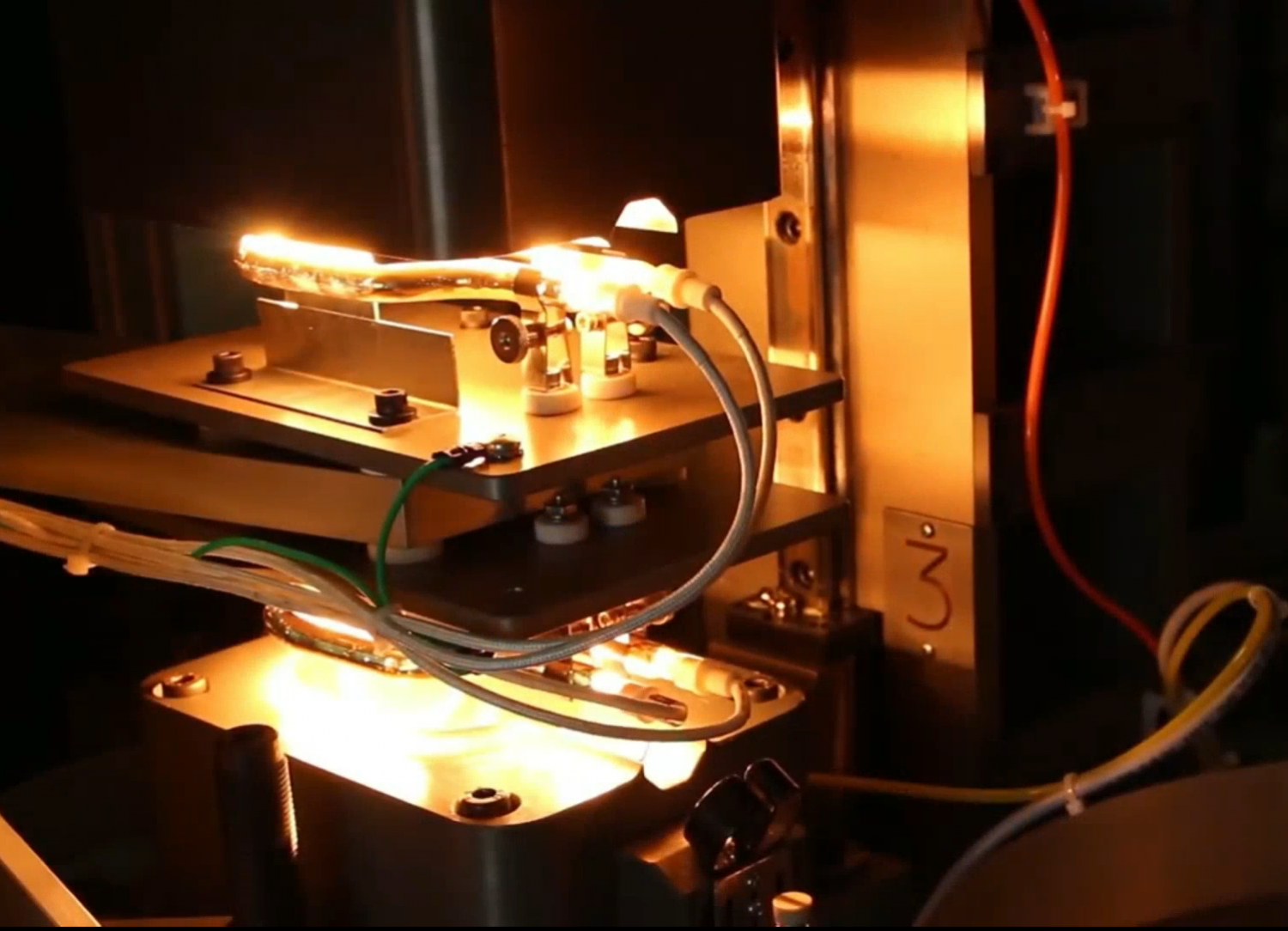
Most of these older setups rely on resistive heaters or cheap quartz tubes. The problem is they waste a ton of energy heating up the air inside the oven before that heat ever even touches the plastic. When you move to high-density short-wave or medium-wave IR elements, everything changes. Instead of waiting for the air to get hot, the energy beams directly into the workpiece. Here’s the secret: it’s all about the match. If you’re working with PET or PVC, you need a wavelength that the polymer actually likes to absorb. When you get that match right, the plastic sucks up the heat way faster. This means you can stop cranking the oven shell temperature so high.
The “gotchas” and the setup
The good news? You don’t have to rip out all your wiring. These are designed to fit right into the footprint you already have. But wait—you can’t just plug in a high-output tube and walk away for a coffee. Because the heat is so much more concentrated, you run the risk of scorching the surface of the plastic if your line speed is off. You’ll probably spend a little time tweaking your conveyor speed or messing with the PID controllers to get the balance just right. It takes a bit of patience, but it’s worth it.
Is it worth the money?
If your current system is ancient or just poorly spec’d, that 20% saving is totally doable. And honestly, this is the smartest way to modernize. The upfront cost for new elements is pretty low, but you see the drop in your electric bill almost immediately. It’s the fastest way to upgrade without having to shut down the whole facility for a month. Sure, your cooling fans might have to work a bit harder to handle the concentrated heat, but the total energy draw usually drops anyway. It’s a win.