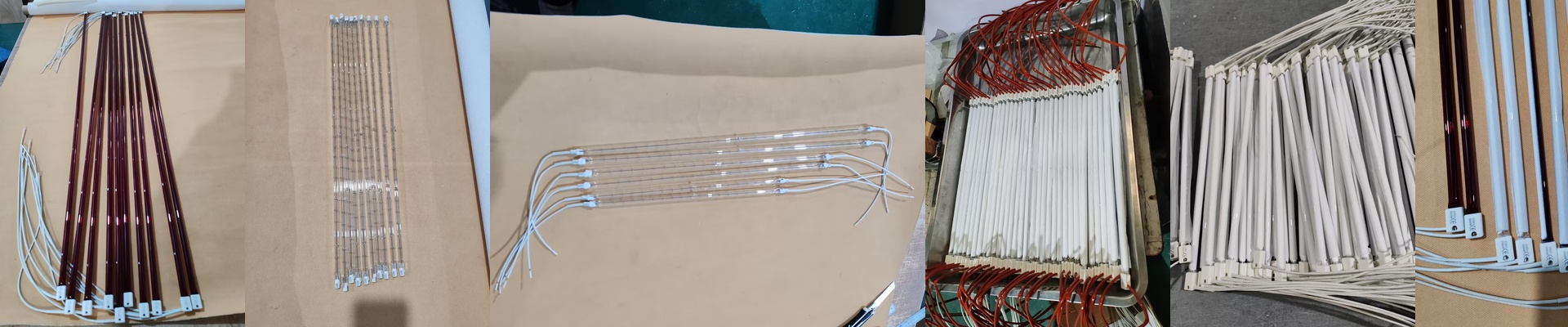
Stop Bleeding Money on Your Heating Lines
Most plant managers have their eyes glued to the energy bill. That makes sense. But there’s a different kind of cost that usually goes unnoticed until it’s too late: the “invisible” drain of swapping out lamps. Think about it. Every time a line grinds to a halt because a heating element popped, you’re losing more than just a bulb. You’re losing momentum. When you multiply those few minutes of downtime across dozens of stations, you’ve got a massive leak in your daily production. The trap of the “cheap” bulb It happens all the time in PET blowing and thermoforming. You buy the budget lamps to save a few bucks upfront. But you aren’t actually saving anything. You’re paying for the technician’s time to swap them. You’re paying for the time the machine spends sitting cold. If your lamps are burning out every couple of weeks, those “cost-effective” bulbs are actually eating your margins alive through unplanned stops. The physics of the burnout If you want to stop the constant replacement cycle, you’ve got to look at thermal stability. Now, high-wattage quartz halogen tubes are great because they ramp up fast—which is exactly what you need for plastics. But there’s a catch. Cramming that much power into a small space puts a ton of stress on the filaments. Here’s the thing: even the best lamp in the world will snap if it’s suffocating. Keep your reflectors spotless. Make sure your cooling fans are actually pushing air. If the housing traps the heat, the filament is toast. Simple as that. Getting your sanity back The goal here is to stretch the time between maintenance cycles. We’ve found that using lamps with tighter voltage tolerances and better-sealed connectors does wonders. It cuts down on electrical arcing and those annoying, premature failures. When you move to a proper industrial spec, you stop playing “firefighter.” You stop reacting to disasters and start scheduling your maintenance on your own terms. The bleeding stops. Your lines stay hot. And your throughput finally levels out.