A No-Nonsense Guide to 220V Tungsten Halogen Lamps
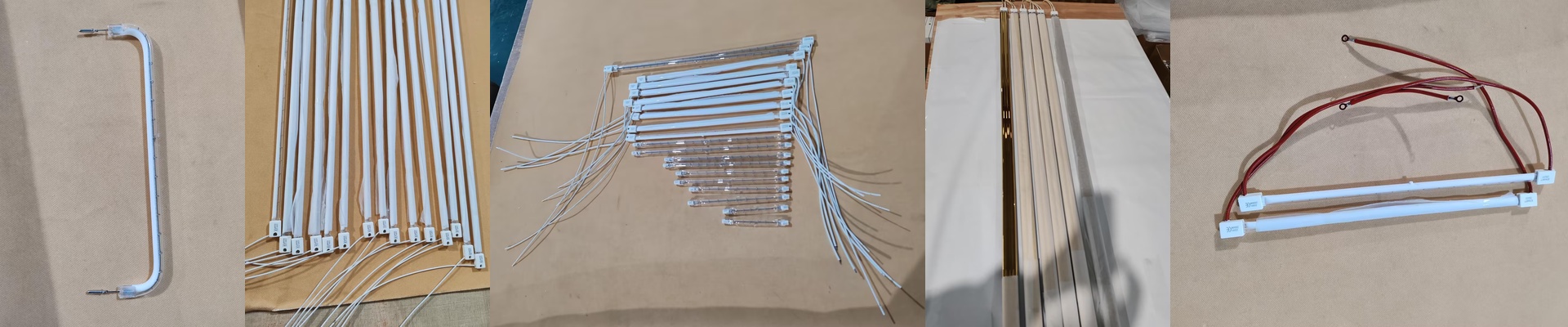
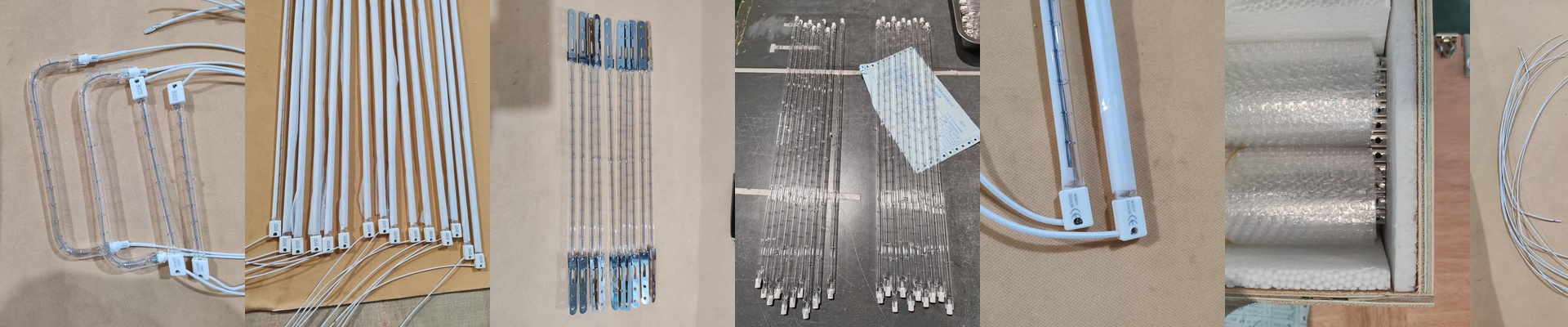
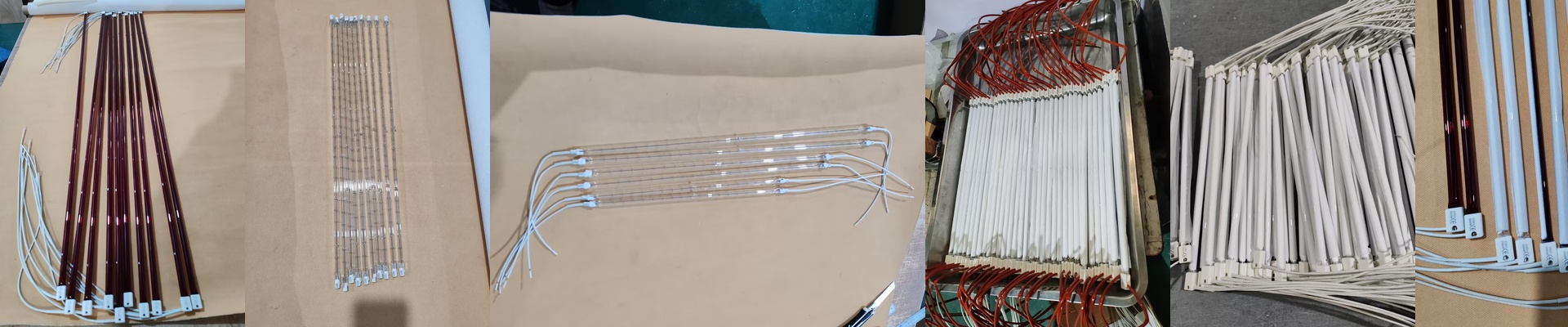
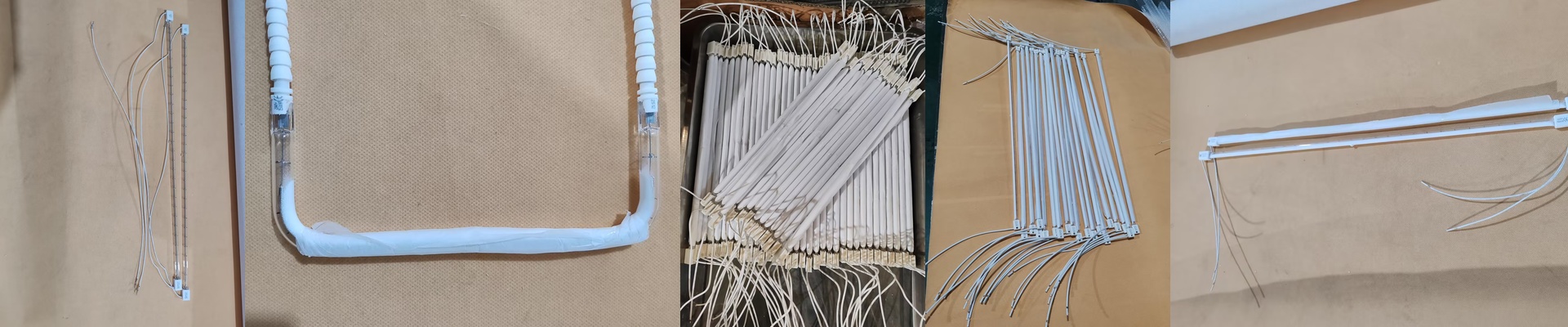
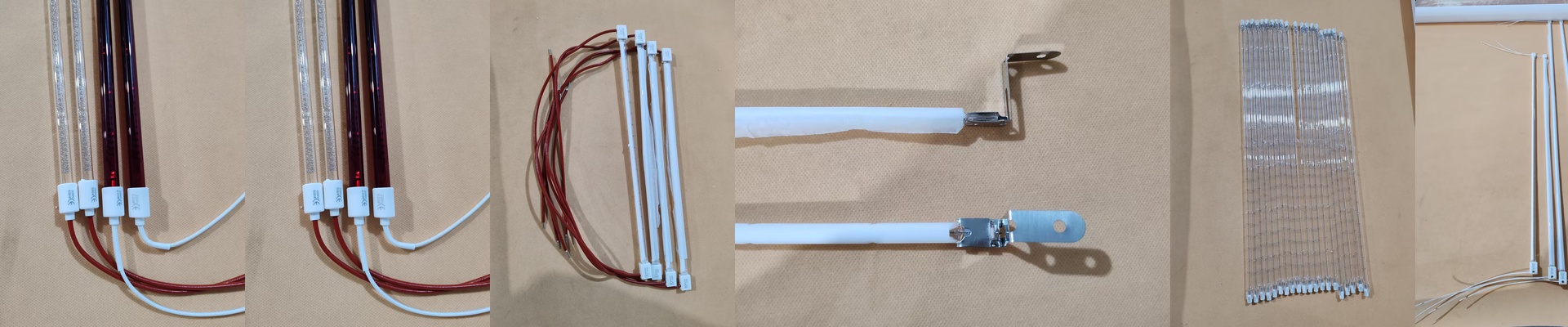
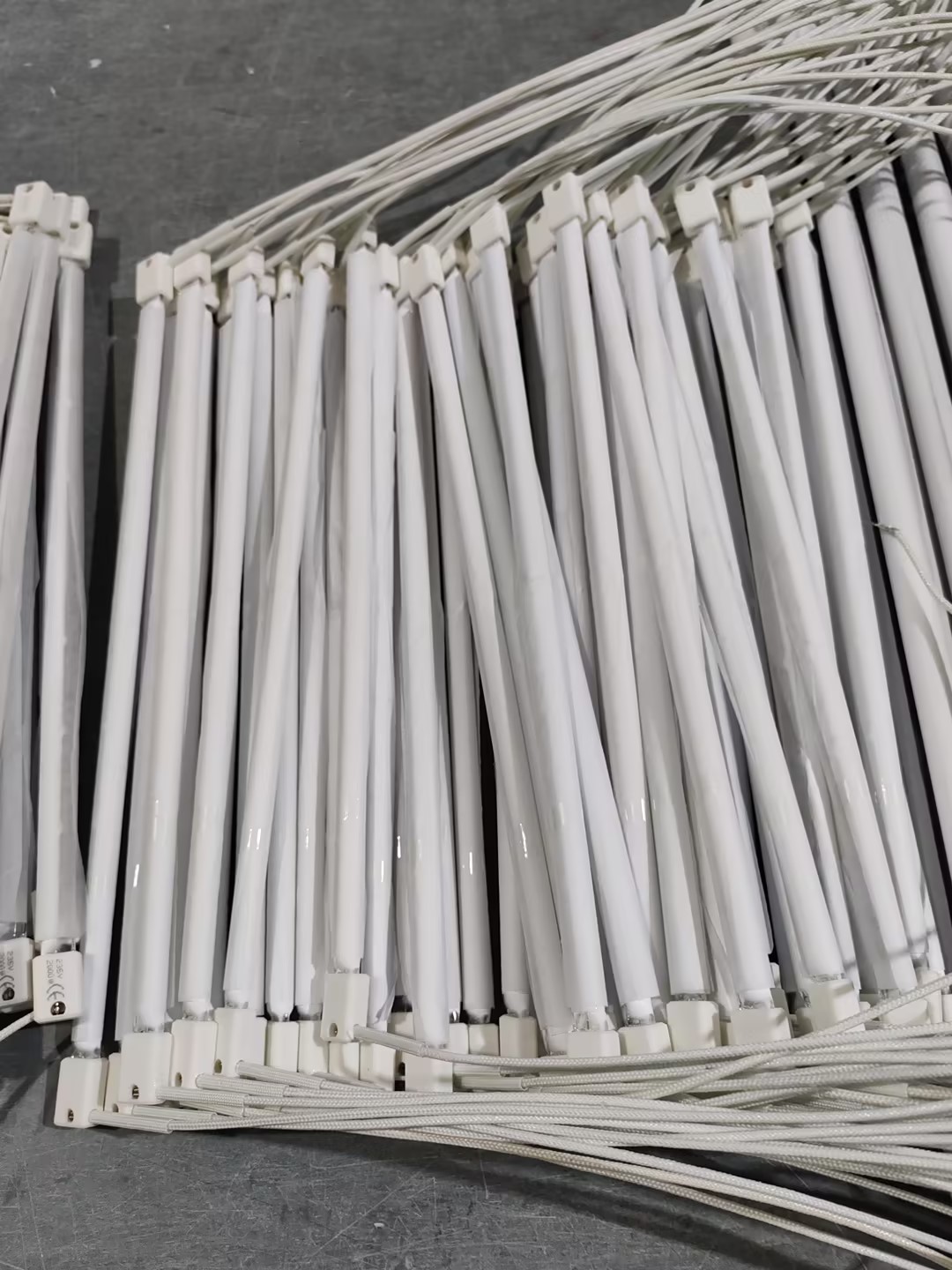
Ever wonder why some heaters just hit different? It’s all about that halogen gas circulating inside the quartz. It keeps the tungsten from evaporating and clouding up the glass, so you get that intense, searing infrared heat without the lamp burning itself out in a heartbeat. The Power Side of Things Since these run on 220V, you can plug them straight into most industrial grids. No bulky transformers taking up space in your shop. The real win here is the power density. You get a massive amount of heat in a tiny footprint. It’s fast. Really fast. That’s exactly what you need when you’re running curing or drying lines and can’t afford to wait around for things to warm up. But a word of warning: all that power creates some serious heat at the terminals. If you cheap out on your wiring or ignore the current draw, you’re going to see your insulation melt. And nobody wants that. What They’re Made Of The heart of the whole thing is the quartz tube. It handles extreme heat without warping or giving up. Depending on what you’re doing, we can go with clear quartz for short-wave radiation or a coated version if you need to shift the spectrum. For the plugs, we usually stick with R7s or Sk15 bases. They’re basically “plug and play.” When a lamp finally burns out, you just swap it for a new one and get back to work—no need to dismantle your entire machine. Putting Them to Work You’ll see these all over the place in plastic welding or PET bottle blowing. In those jobs, you need to hit a very specific temperature in a matter of seconds. Because these lamps react instantly when you flip the switch, they play really well with PID controllers. You get tight, honest control over your heat. One last tip… Whatever you do,don’t touch the quartz with your bare hands. The oils from your skin leave invisible spots on the glass. When the lamp heats up, those spots become “hotspots” that can actually make the glass crack. It’s a pain. Just give them a quick wipe with some isopropyl alcohol before you fire them up, and they’ll last a lot longer.