The Real Deal on Shortwave Halogen Heating
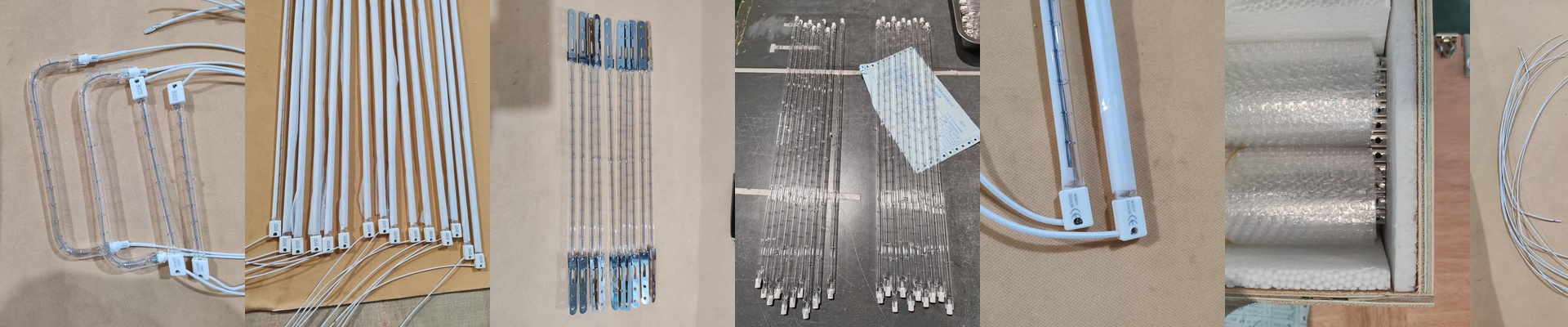
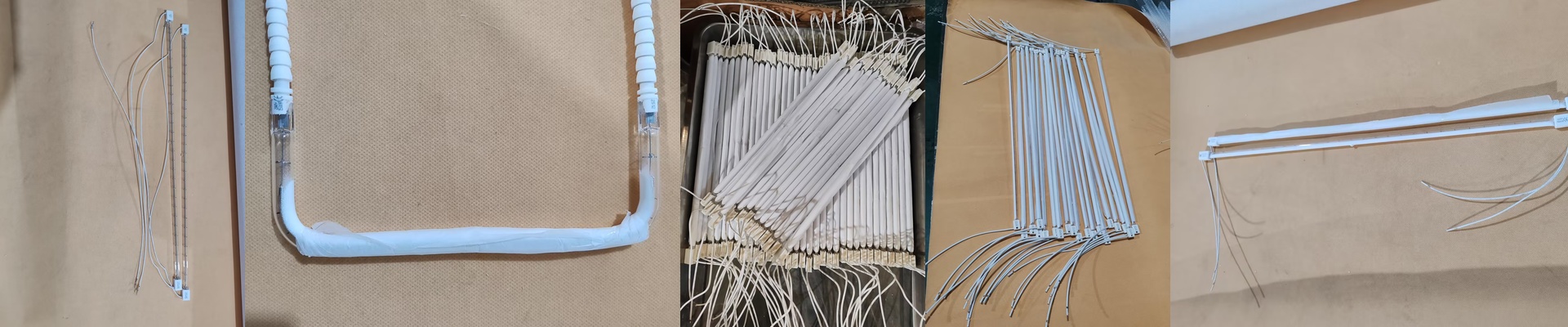
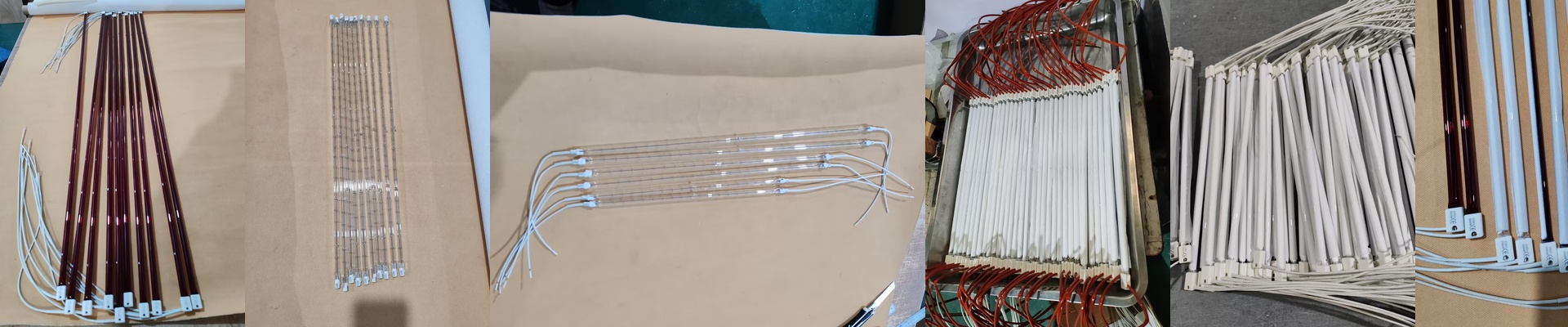
Let’s talk about how these halogen lamps actually work. Basically, you’ve got a tungsten filament tucked inside a quartz tube filled with halogen gas. We build these for when you need heat now and you need it to be intense. The cool part? They don’t waste time heating up the air around them. They just beam that energy straight into your material. It’s fast. Really fast.
Getting the Power Right
When you’re picking a lamp, it all comes down to voltage and wattage. If you go with high-voltage setups—think 230V or 400V—you can push a ton of power through the tube without frying the leads. A 2500W tube is a beast; it hits the surface with heat instantly. But here’s the thing: you’ve got to make sure your power supply can handle that first “cold-start” surge. If your wiring isn’t up to the task, you’re going to end up burning out your contactors, and that’s a headache nobody wants.
Quartz and Connections
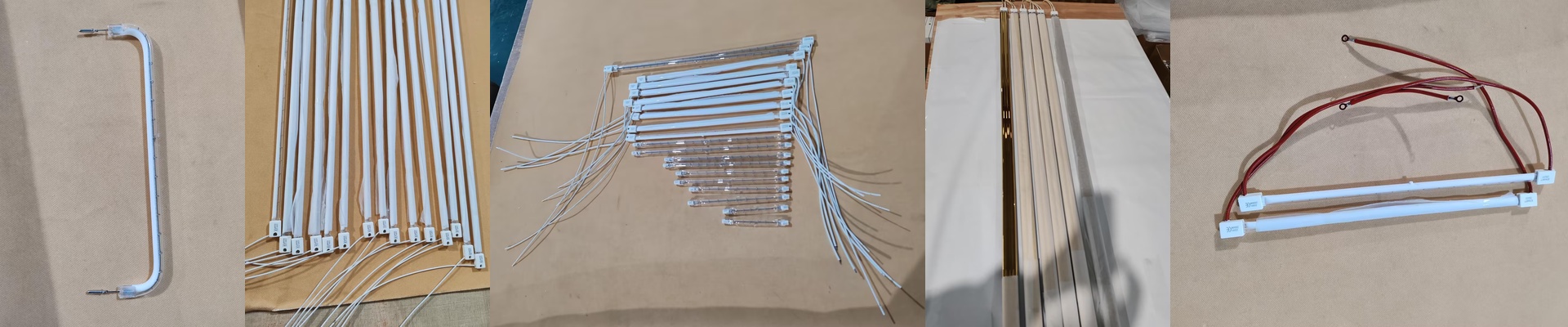
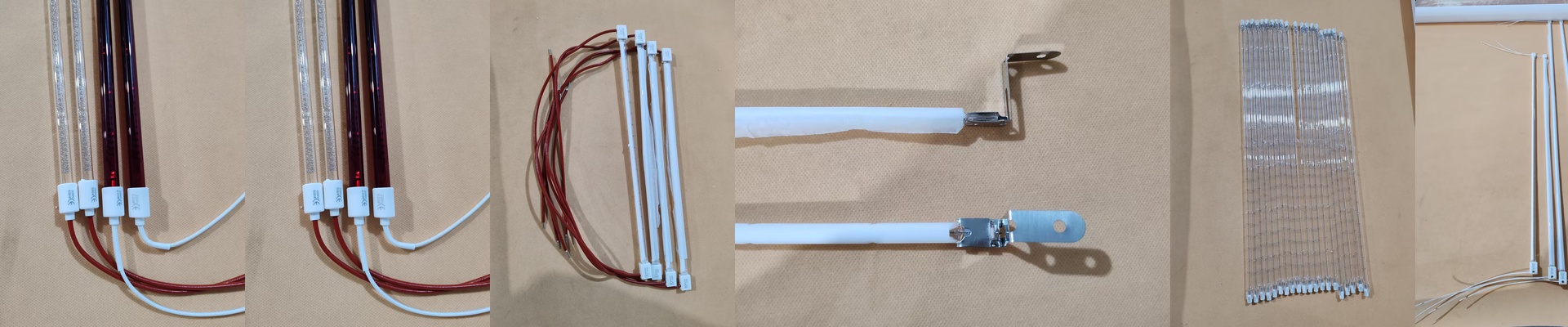
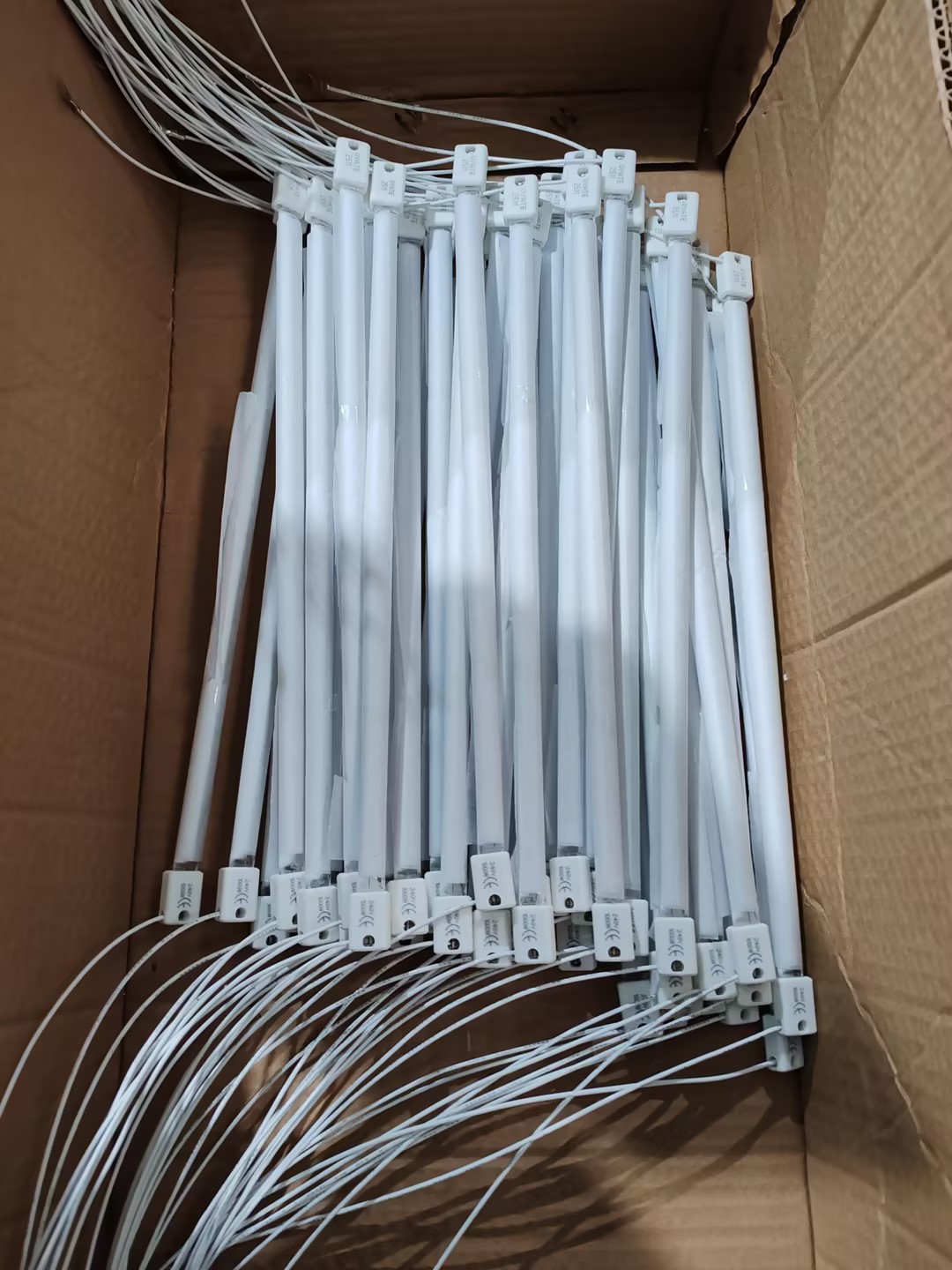
We use high-purity quartz because the heat inside that halogen cycle is brutal. To make your life easier, most of our tubes use R7s or Sk15 connectors. They just slide right into standard industrial sockets, so when it’s time to swap a lamp, you aren’t staring at an hour of downtime. Sometimes we add a special coating to the glass. This helps shift the light spectrum or keeps chemical splashes from ruining the quartz. Just a heads-up: those coated lamps take a little longer to warm up than the clear ones.
The Trade-offs (What to Watch Out For)
You’ll see these all over the place in PET bottle blowing and plastic curing. You get a tiny footprint but a massive amount of heat. But that power is a double-edged sword. Since these things run so hot, your cooling system needs to be spot on. And please, keep your reflectors clean. If they’re dirty or tilted the wrong way, the heat bounces right back into the socket. That’s a quick way to melt your wiring or kill the lamp’s lifespan. One last tip:**Don’t touch the quartz with your bare hands.**The oils from your skin create hot spots on the glass, and that’s usually why tubes fail way sooner than they should.