Getting Your PET Preform Heating Just Right
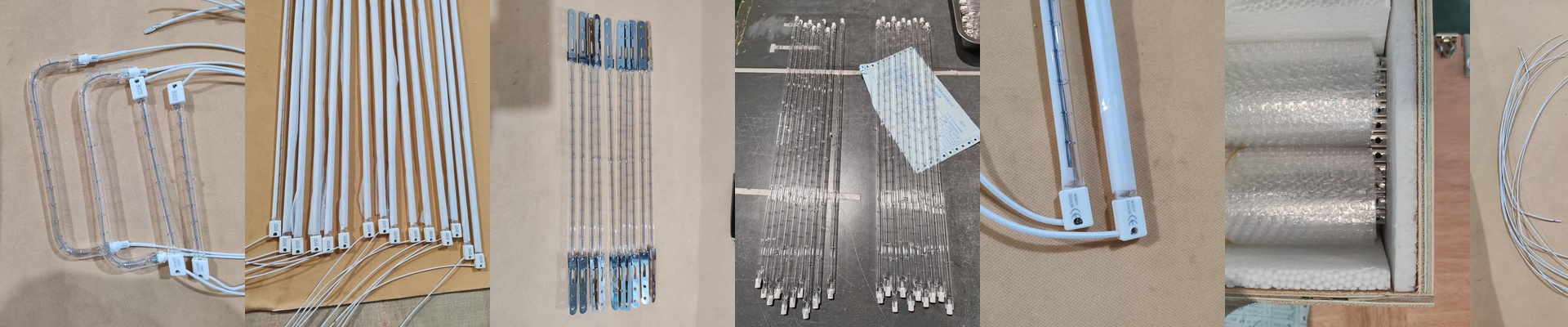
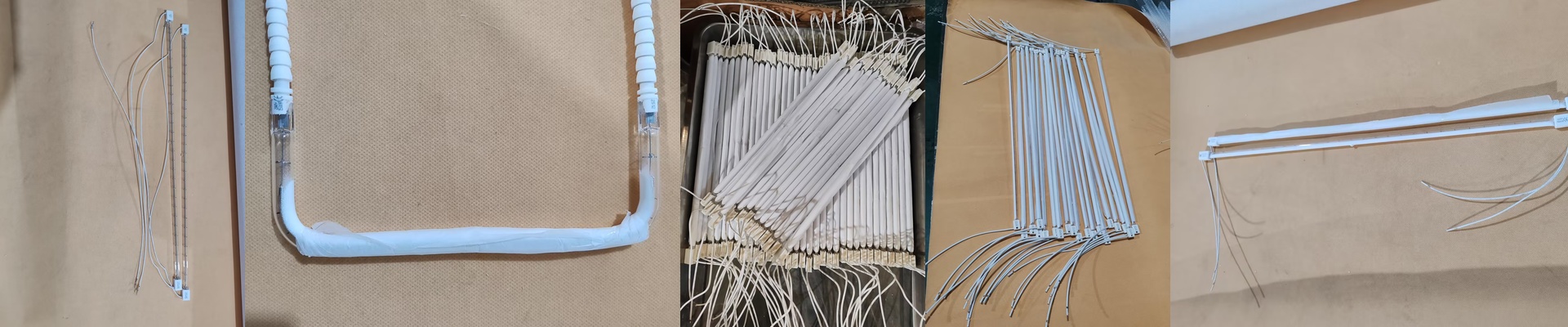
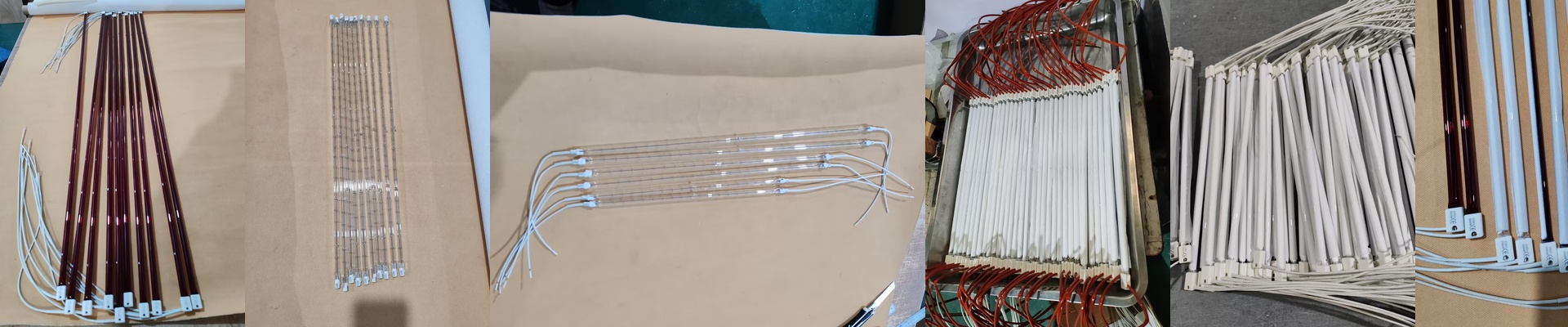
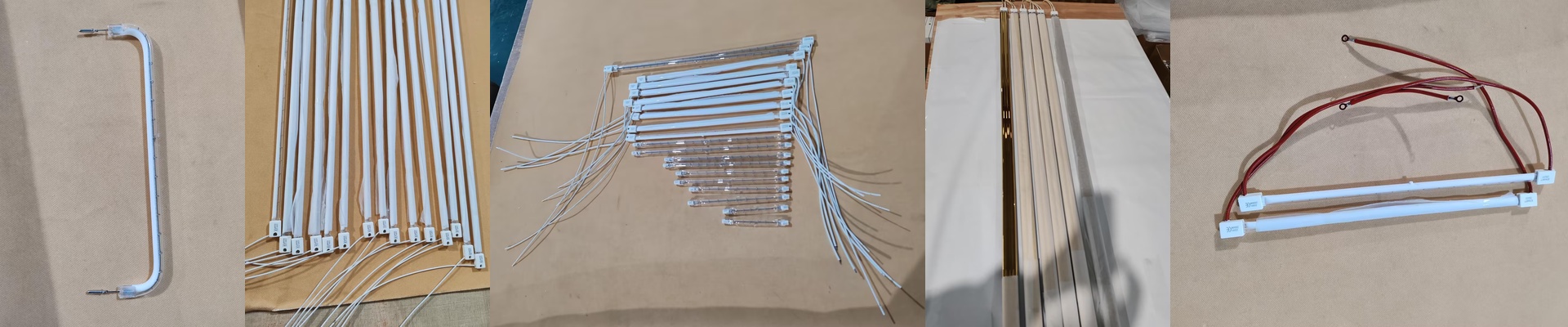
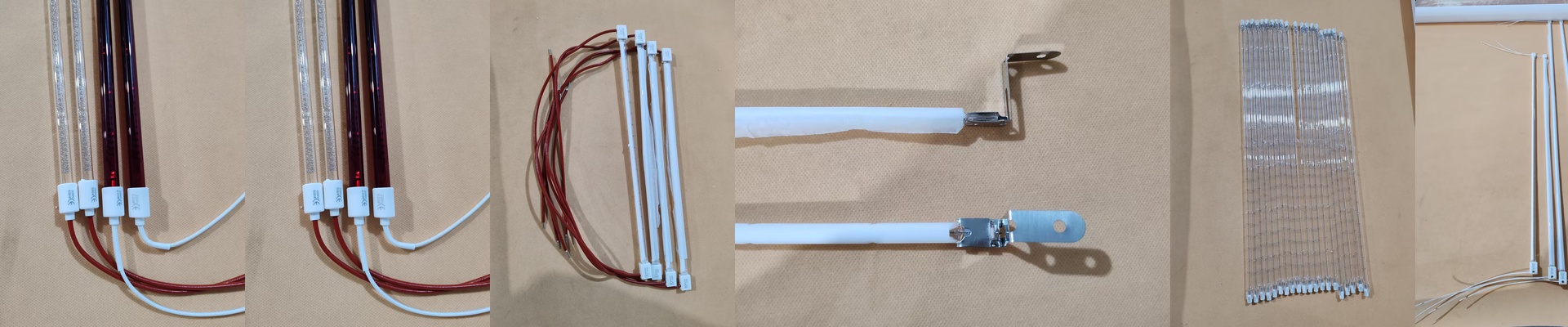
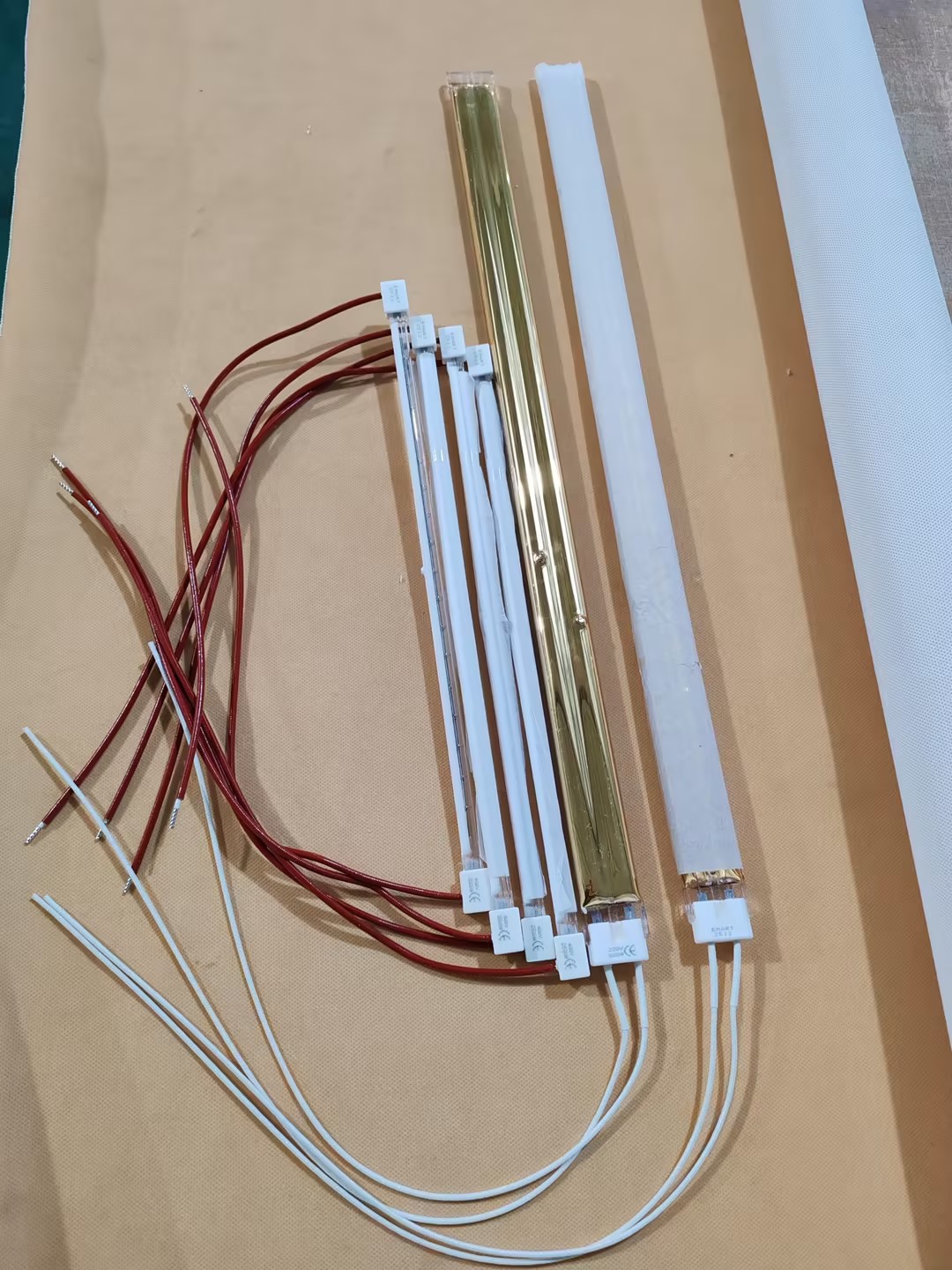
If you’ve ever dealt with PET blowing, you know the struggle. You need the preform to hit that sweet spot—the glass transition temperature—without accidentally scorching the plastic. It’s a delicate balance. That’s why we use halogen-filled quartz lamps. They pump out high-intensity shortwave infrared radiation, which is basically the fastest way to get that plastic ready for blowing. Let’s talk power. We build these lamps to pack a lot of punch into a small space. Depending on how long your oven is, you’re probably looking at tubes between 200mm and 500mm. We usually go with high-voltage setups (like 230V or 400V). Why? Because it lets us push more power through the filament without cranking up the current to a point where your wiring starts to melt. It gives you a concentrated heat profile, which means your cycle times drop. But a word of caution: high wattage means intense heat. If your cooling fans aren’t up to the task, you’re going to cook the lamp ends. Keep an eye on that. The build and the “swap” Inside that high-purity quartz envelope is a tungsten filament. We add halogen gas in there to stop the filament from evaporating too quickly. It keeps the light output steady and makes the lamps last much longer. When it comes to plugging them in, we stick with R7s or SK15 bases. They’re simple. They fit right into most industrial PET ovens, so when a tube finally burns out, you can swap it in a few minutes. No need to rewire the whole rack and lose an afternoon of production. Making it work in the real world These lamps are designed to hit the polymer chain of the PET preform directly. The shortwave radiation sinks in fast, so the preform doesn’t have to sit in the oven forever. This is huge because it stops that annoying “skin effect”—you know, where the outside of the plastic burns while the inside is still cold. Here’s the catch, though. Halogen lamps are fast, but they’re picky. Positioning is everything. If the lamp is even a little too close, you’ll end up with hot spots and bottles with uneven walls. Get the distance right, and you’re golden.