Getting R7s Halogen Interfaces Right
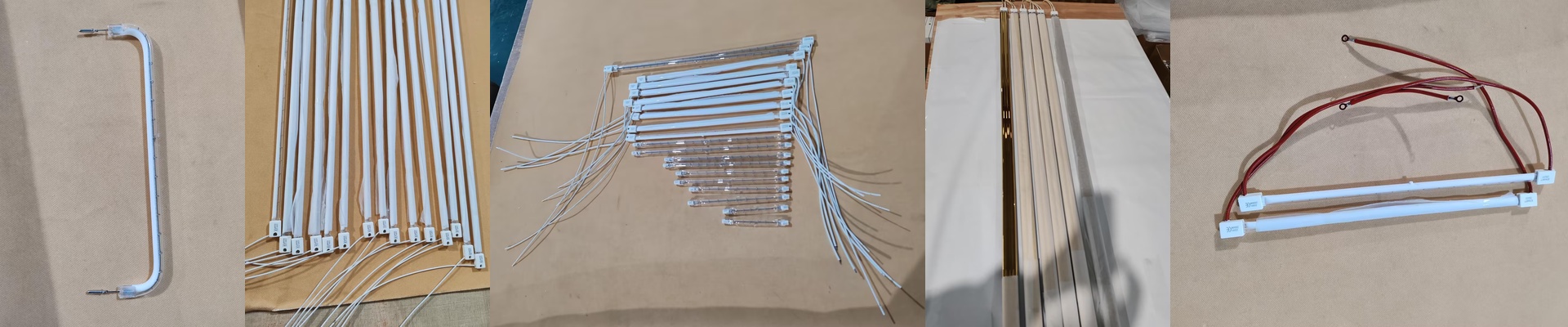
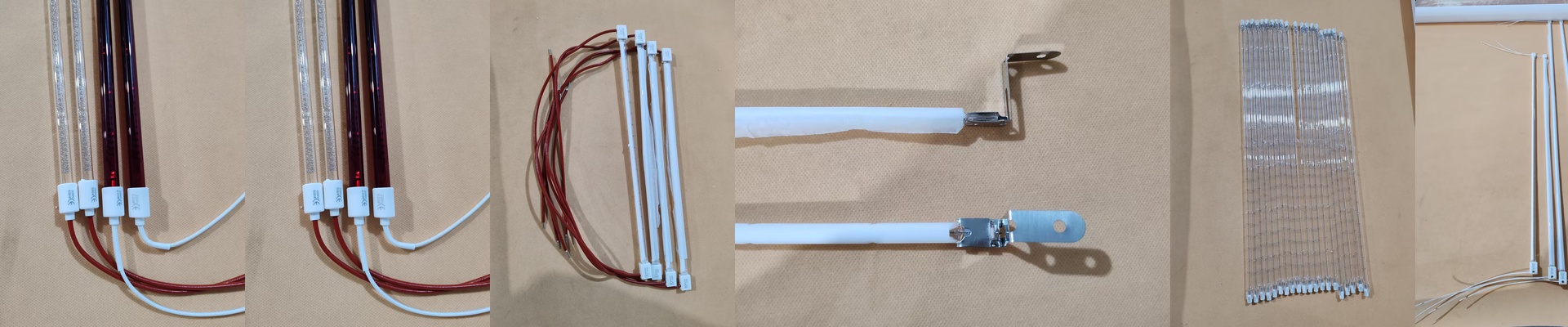
Let’s talk about R7s lamp holders. If you’ve ever worked with double-ended halogen tubes, you know they’re a bit of a beast. We use these in high-wattage heating setups because they keep everything locked in place. If the connection isn’t tight and the alignment is off, you’re looking at arc-overs or a tube that dies way sooner than it should.
Dealing with the Heat
Here’s the thing: industrial R7s systems can push over 2000W. That is amassiveamount of heat hitting a tiny contact point. If you’re running 230V or 400V, you can’t afford to be sloppy with the spacing. Poor tolerances lead to voltage leaks, and that’s where things get dangerous. And a pro tip? Make sure the holder actually matches the tube’s length. If it’s too tight, the quartz glass has nowhere to go when it expands from the heat.**Snap.**Just like that, your tube is gone.
The Build
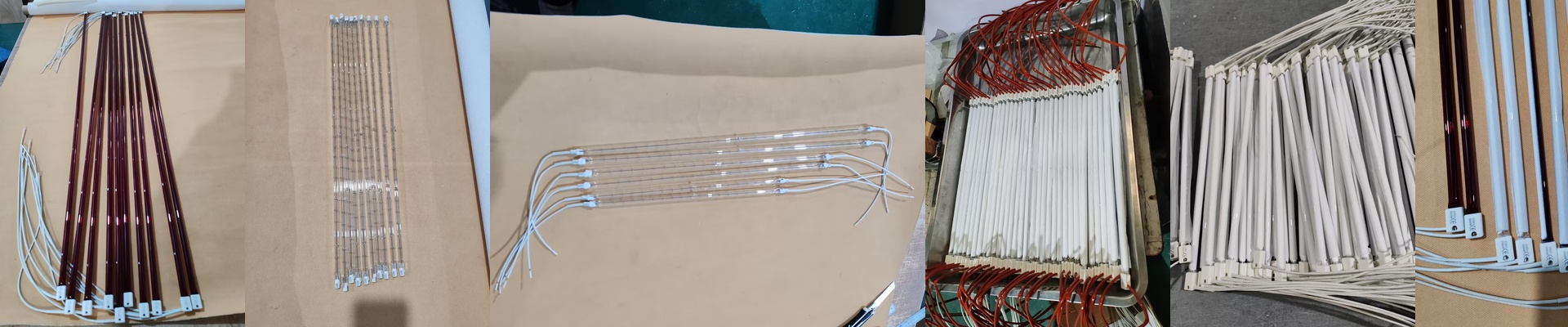
The secret sauce of the R7s is the spring-tensioned grip. It keeps the lamp seated even if your machine is vibrating like crazy. We usually stick with ceramic or high-temp polymers for the housing because they don’t warp when things get hot. The metal contacts are plated, too. Why? Because oxidation is the enemy. Once that rust-like layer builds up, resistance goes up, and the holder just burns itself out. You’ll see these a lot in shortwave infrared setups. The best part is how fast you can swap them. It’s a simple drop-in system, so when a tube burns out, you can pop a new one in seconds without having to rewire the whole bank.
Real-World Installation
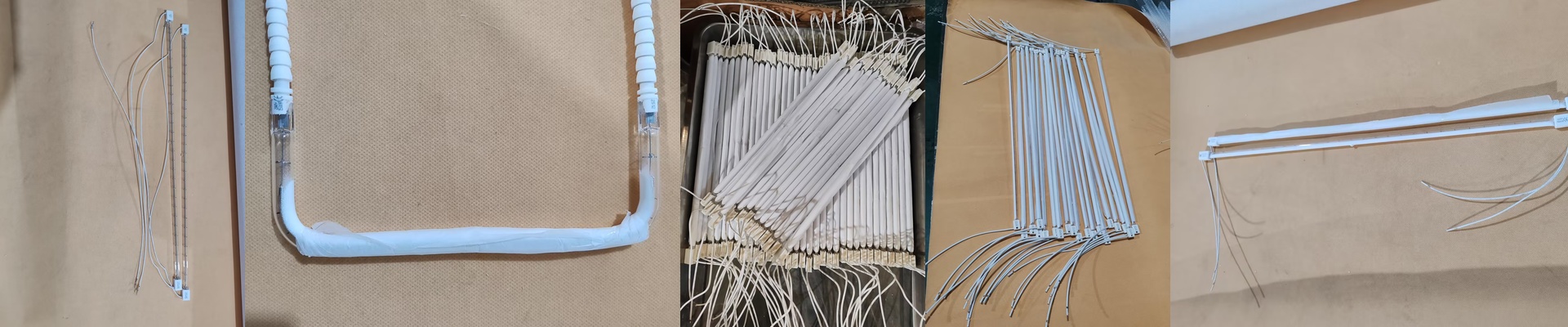
R7s holders put out an intense amount of heat in a very small space. If you cram these holders too close together, the “heat soak” will literally melt your wire insulation. It’s a mess to clean up and a nightmare to fix. Do yourself a favor: use high-temp silicone leads for the wiring. And for heaven’s sake, check your clearances before you bolt everything down. Give the hardware some room to breathe.