A Practical Look at 24V 150W Halogen Heating Elements
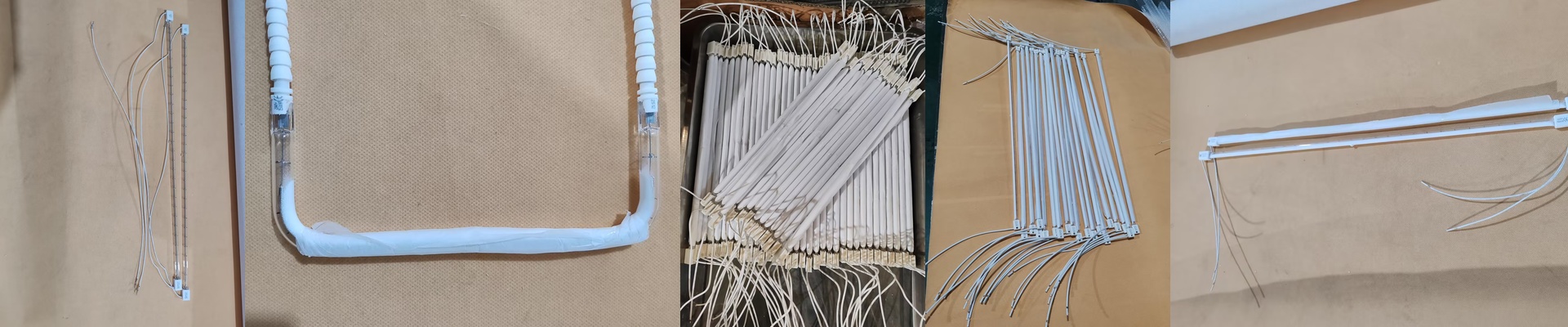
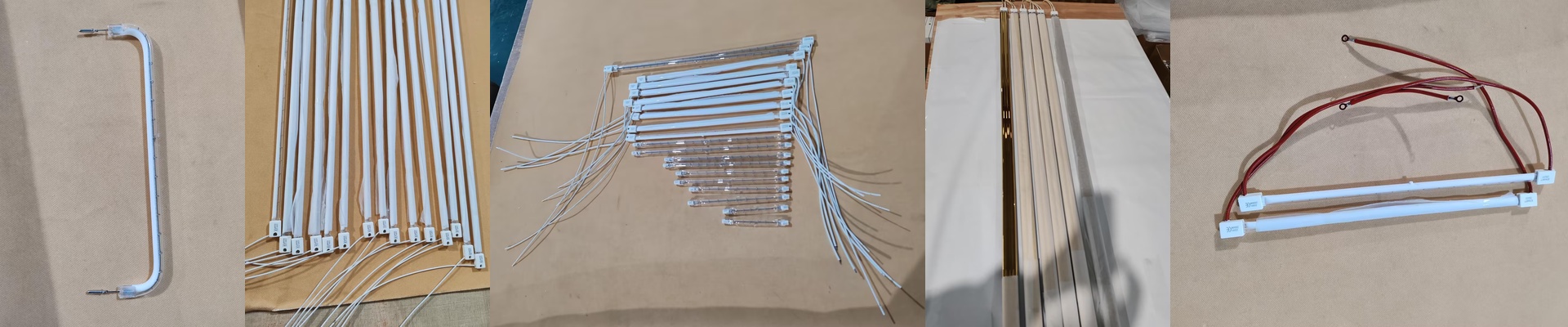
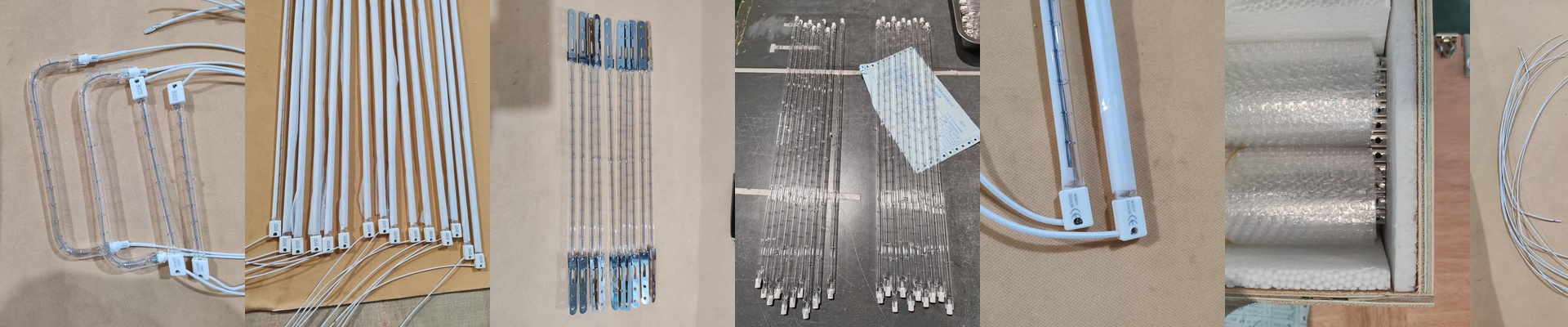
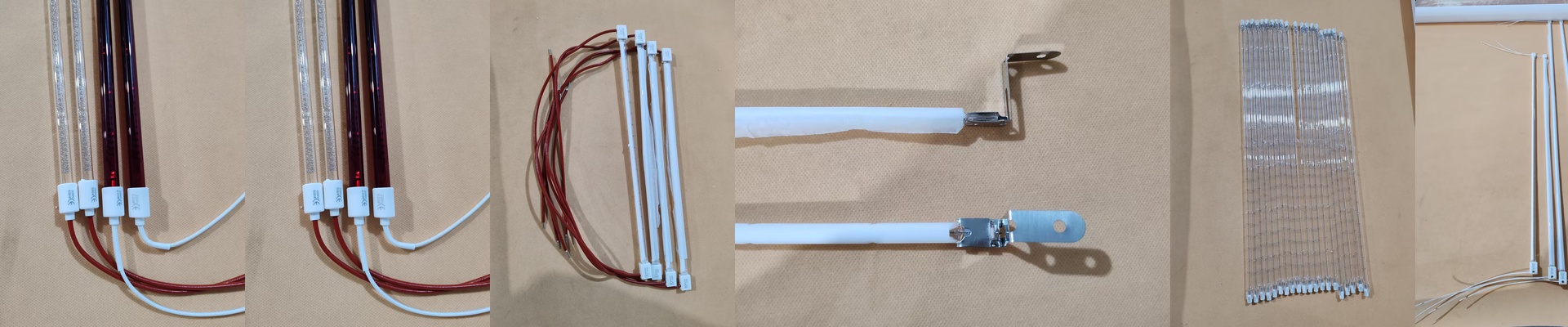
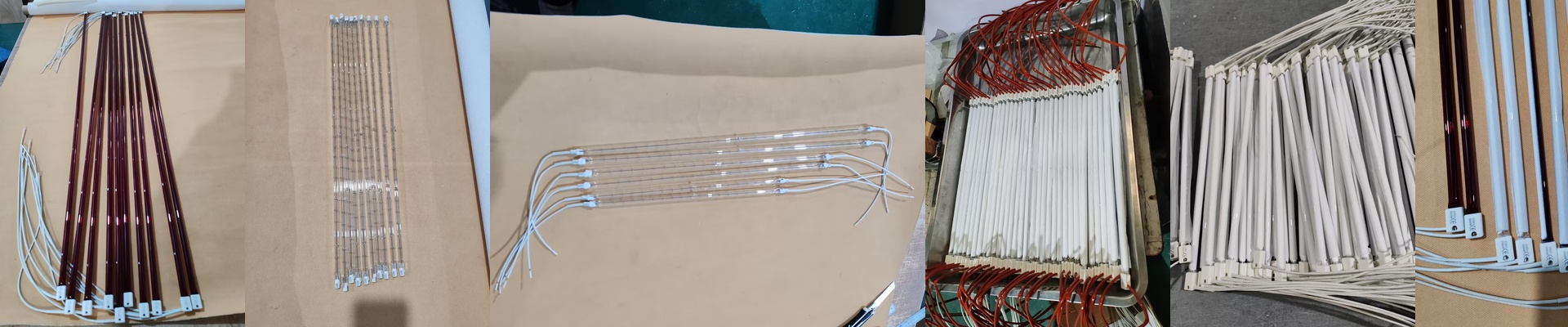
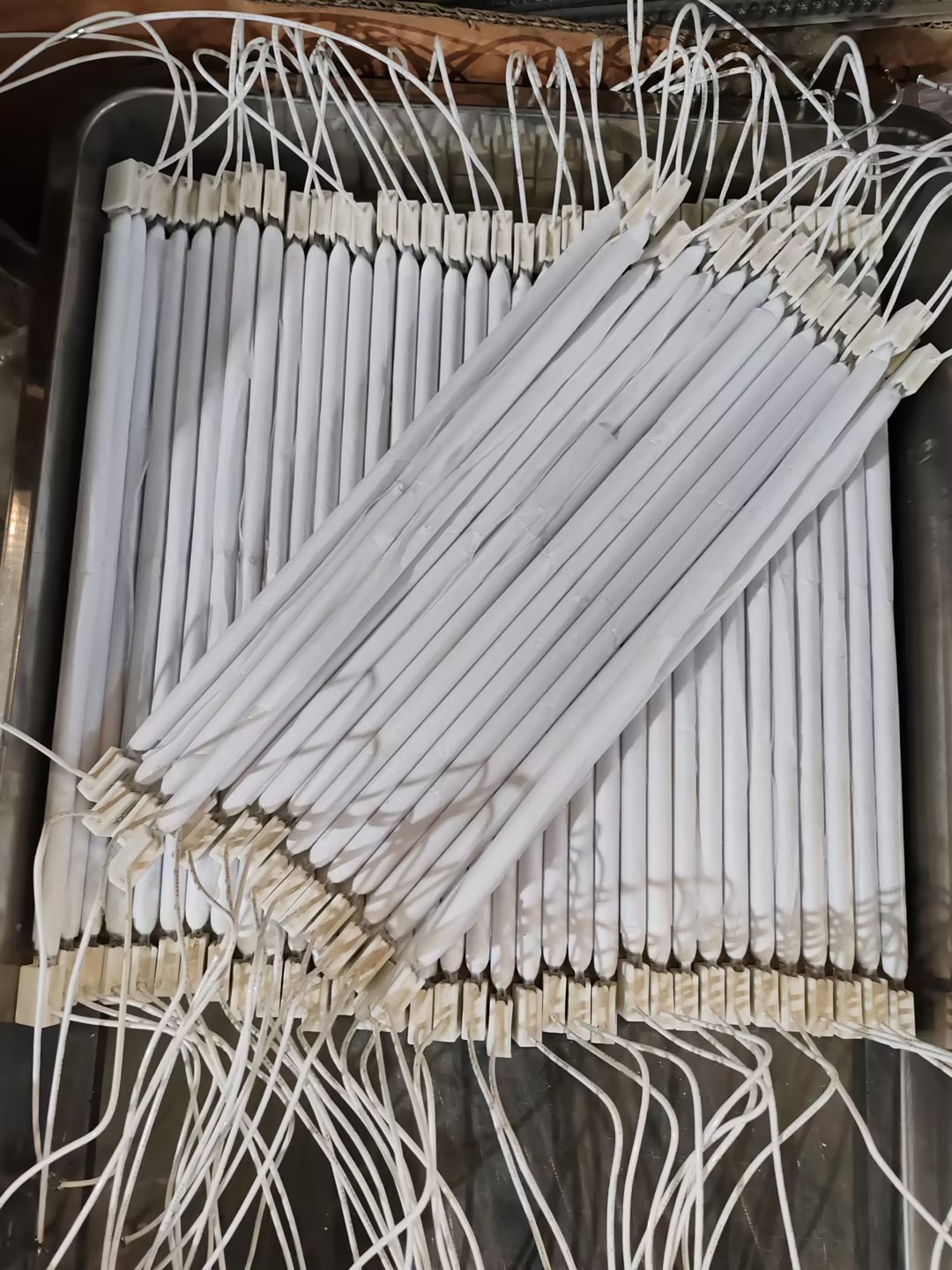
If you’re working with industrial heating in tight spaces, you know the headache of dealing with high-voltage tubes. That’s why we went with a 24V setup for these 150W halogen lamps. It’s just safer. You don’t have to worry nearly as much about electrical arcs jumping around your machine, and getting your power supply sorted for those small, localized heat zones becomes a whole lot easier. Let’s talk power. At 24V and 150W, you’re looking at a draw of 6.25 amps. Just a heads-up: make sure your wiring and relays can handle that. You don’t want your leads overheating because you skimped on the gauge. Inside, there’s a tungsten filament wrapped in quartz. We use a halogen cycle here, which is a fancy way of saying the tungsten doesn’t gunk up the glass. This keeps the light clear and ensures the heat stays consistent for the long haul. The quartz factor. The cool thing about quartz glass is that it lets shortwave infrared radiation slide right through. Instead of wasting energy heating up the air around your part, the heat hits the workpiece directly. But be careful. Quartz is brittle. If your machine vibrates a lot, double-check your mounting clips. If the fit is too loose, the lamp will rattle, snap, or just burn out right at the contact points. Not a fun way to spend a Tuesday. Putting them to work. You’ll see these a lot in PET bottle blowing, plastic welding, or those small curing ovens. The best part? They ramp up fast. Like, “hit your target temp in seconds” fast. One thing to watch out for: 150W packed into a small lamp creates some serious, intense heat. If your housing isn’t vented or your fans aren’t positioned just right, you might accidentally melt a plastic component or fry your own sensors. To keep things under control, I’d suggest using a PID controller. It stops that annoying temperature overshoot that usually happens during the first few seconds of heat-up.