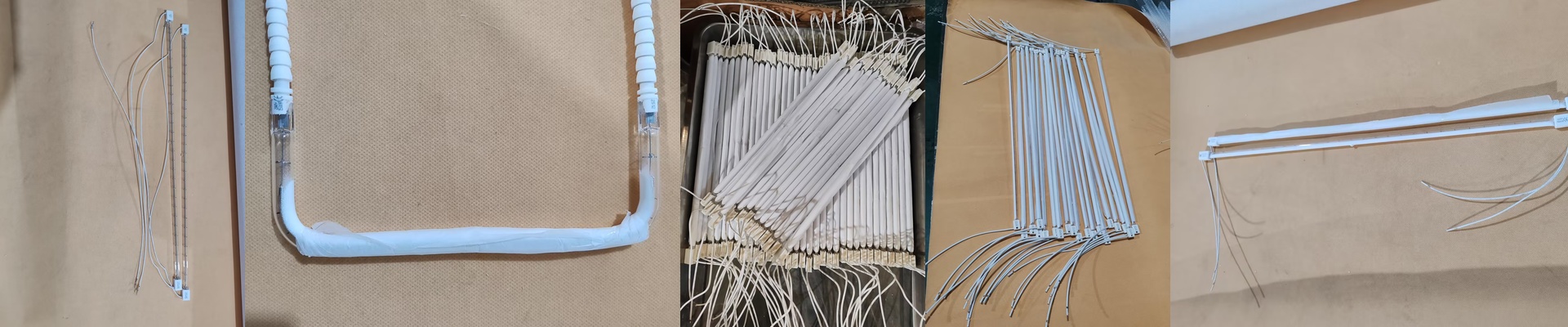
Let’s Talk About 220V vs. 380V Halogen Heating Lamps
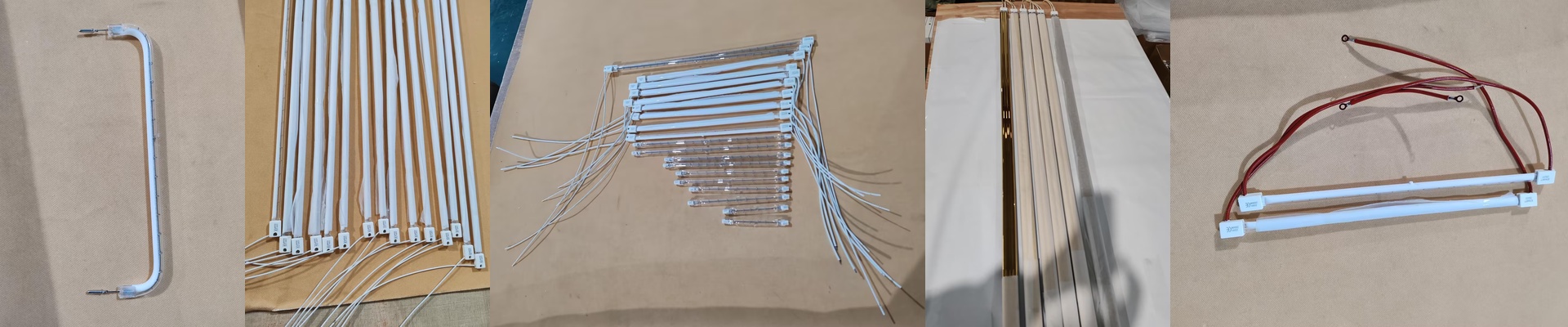
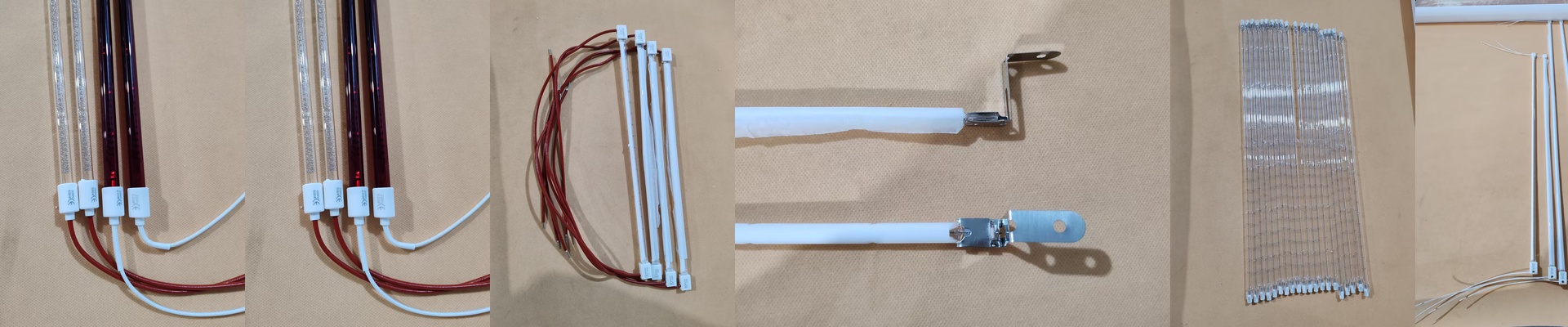
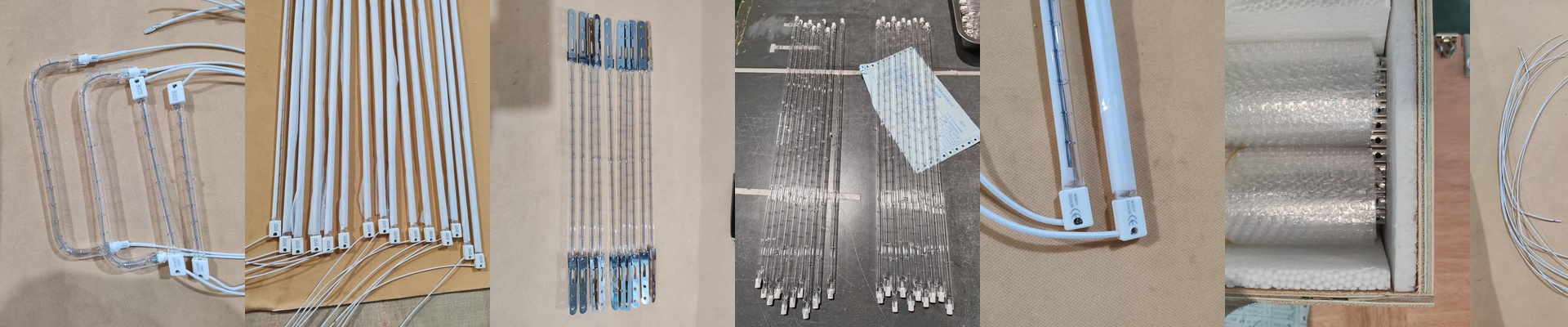
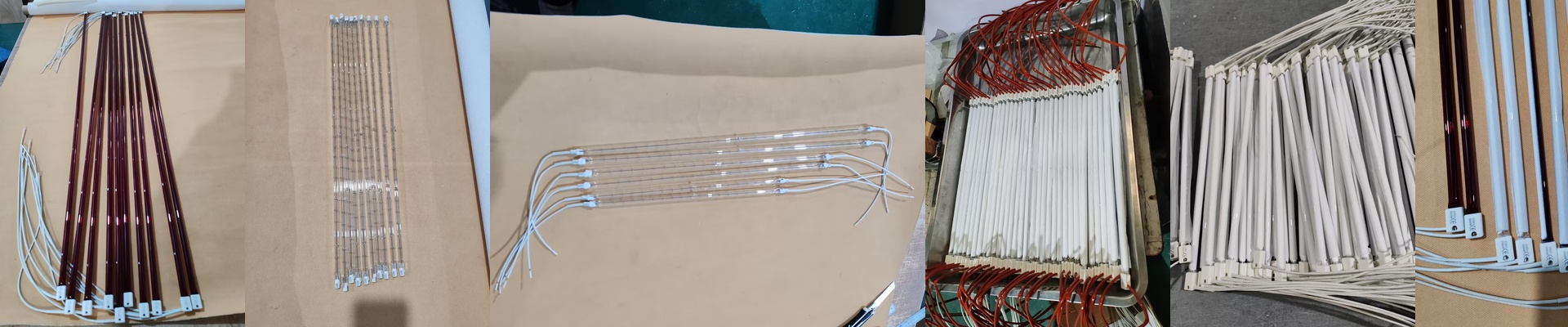
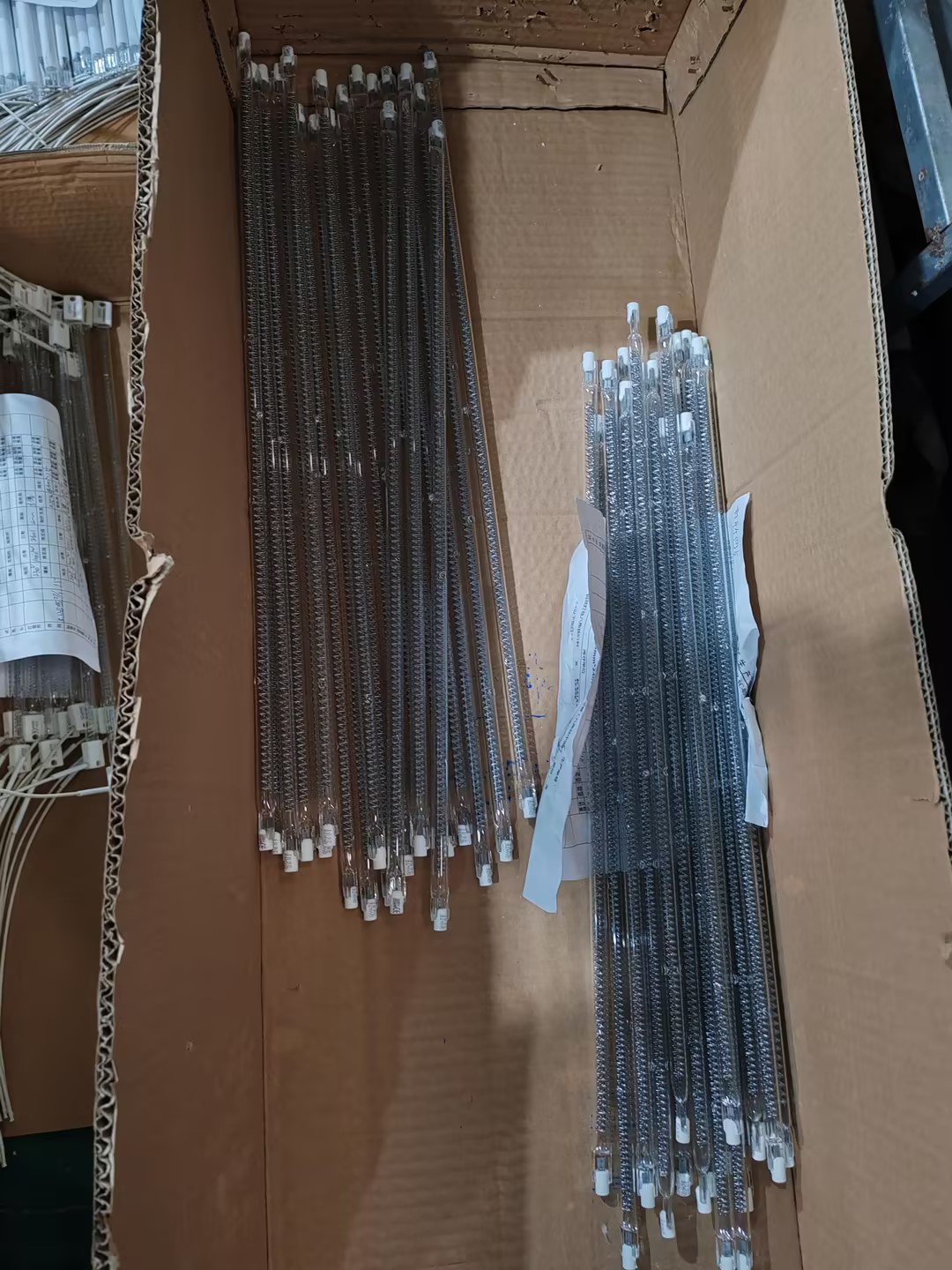
We build these lamps to pump out a ton of shortwave infrared energy, fast. Depending on how your plant is wired and how much heat you’re actually trying to move, you’ll probably be looking at either a single-phase 220V setup or a three-phase 380V system. The deal with voltage Choosing between 220V and 380V isn’t just a checkbox on a spec sheet. It’s about how your power behaves. When we go with 380V, we can push more power through that filament without the current getting out of control. Why does that matter? Because it keeps your wiring from getting dangerously hot. Plus, if you’re running a long line of high-wattage lamps, 380V stops that annoying voltage drop. You get a steady, consistent heat from one end of the tube to the other. No cold spots. What’s actually inside Under the hood, it’s a tungsten filament wrapped in a quartz envelope. Sometimes we add a special coating to the glass—either to tweak the heat spectrum or just to keep gunk and contaminants from ruining the lamp. Then there’s the connector. You’ll usually see R7s or SK15. R7s is your standard push-in. Easy. But if your machinery shakes or vibrates a lot, go with the SK15. It locks in mechanically. There’s nothing worse than a loose contact causing an arc that burns out your lamp way before its time. Using them in the real world You’ve probably seen these in PET blowing machines, plastic welding, or powder coating lines. The best part? They’re instant. You hit a button and you’re at your target temperature in seconds. But a word of warning: this kind of heat is aggressive. If you’re running at max wattage, youhaveto keep your reflectors clean. A little bit of dust might not seem like much, but it kills your efficiency and forces the lamp to work harder. That’s a fast track to a dead filament. And please, double-check your cooling fans. Match them to the wattage, or you might find yourself melting your own housing.