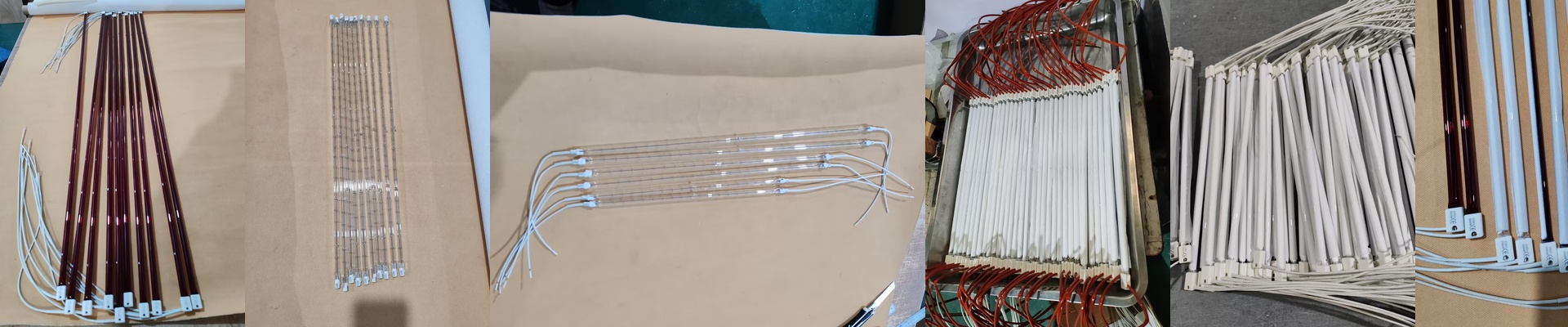

Stop Letting Burnt-Out Heaters Kill Your Margins
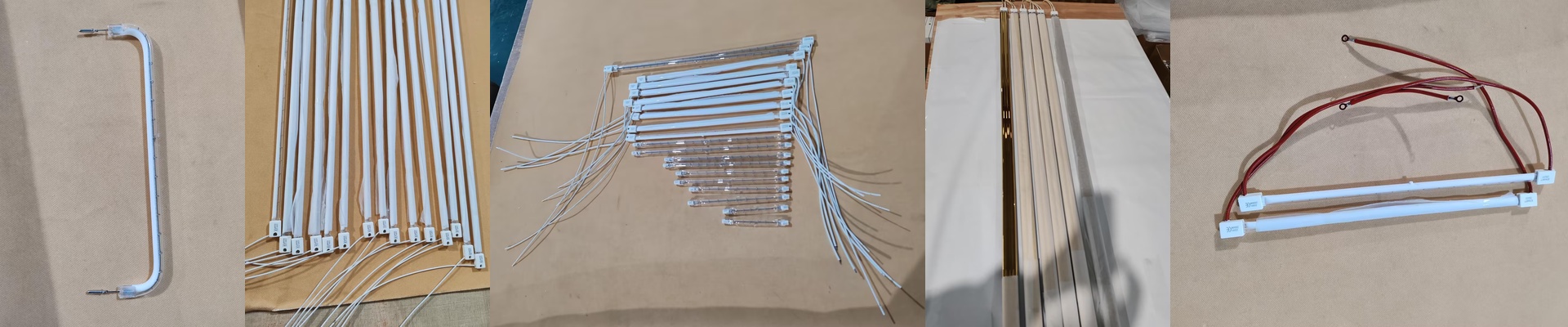
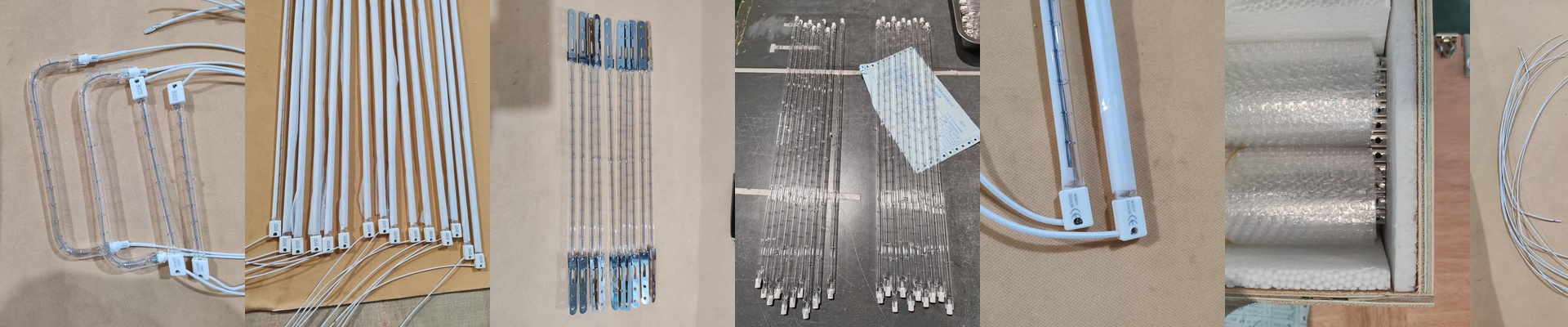
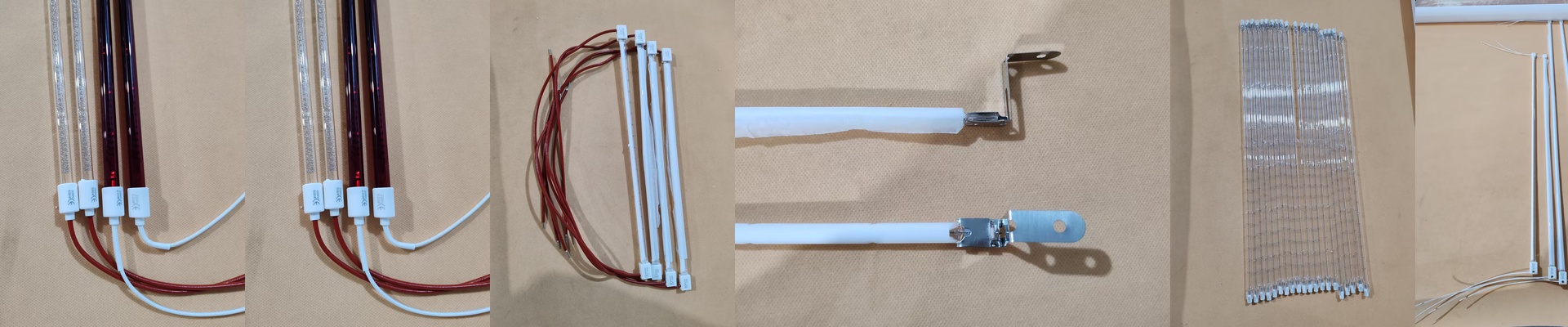
Let’s be honest: swapping out a dead heater lamp is a pain. It’s a tedious, annoying part of the job. But the real problem isn’t the manual labor—it’s the downtime. Every time your line grinds to a halt, you’re losing money. Those “quick” unplanned stops add up fast, eating away at your profits before you even realize it’s happening. We believe the only way to fix this is to stop treating heaters like disposable parts and start spec-ing them for the actual chaos of a production floor. The tug-of-war between power and lifespan Here is the thing about heat density. If you’re doing PET blowing or shrink wrapping, you need those high-wattage quartz lamps to get up to temperature fast. Speed is everything. But there’s a catch. When you cram that much power into a small tube, you’re putting a massive amount of stress on the filaments. If your power supply is jumpy or unstable, those filaments just give up. It’s like redlining an engine for eight hours a day—eventually, something snaps. To keep them alive, your voltage has to be spot on. Overdriving the element is the fastest way to a burnout. The small stuff that causes big failures We use doped quartz and specific halogen cycles to keep the tungsten from evaporating too quickly. It’s a subtle difference, but it makes the filament last way longer. But even the best lamp is useless if the connector is junk. Whether it’s an R7s or a specialized pin, the connection is usually where things go wrong. A loose fit creates a tiny arc—a little spark you might not even see—that melts the housing and kills the lamp. We obsess over tight tolerances here. We want a connection that stays rock-solid, even when the machine is shaking and vibrating all day. Don’t forget to breathe High-output heaters are great for throughput, but they dump a lot of heat into the surrounding area. If your cooling fans aren’t up to the task, the heat just builds up around the housing. Then you hit a nasty feedback loop: the lamp runs hotter than it should, which makes it wear out faster, which means more downtime. If you’re upgrading to a higher wattage element, do yourself a favor and check your airflow. A quick audit of your fans can be the difference between a system that runs smoothly and one that’s constantly breaking down.