Getting the Most Out of Infrared Halogen Heating
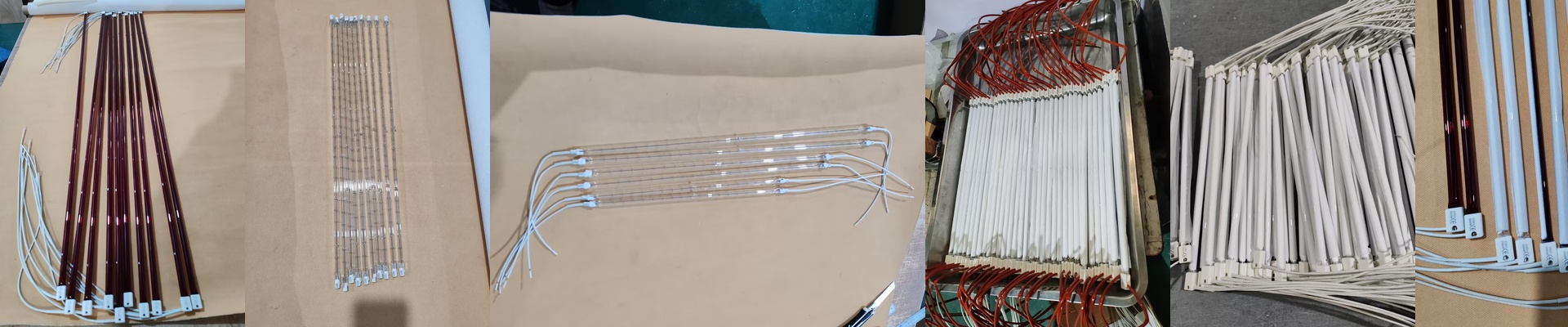
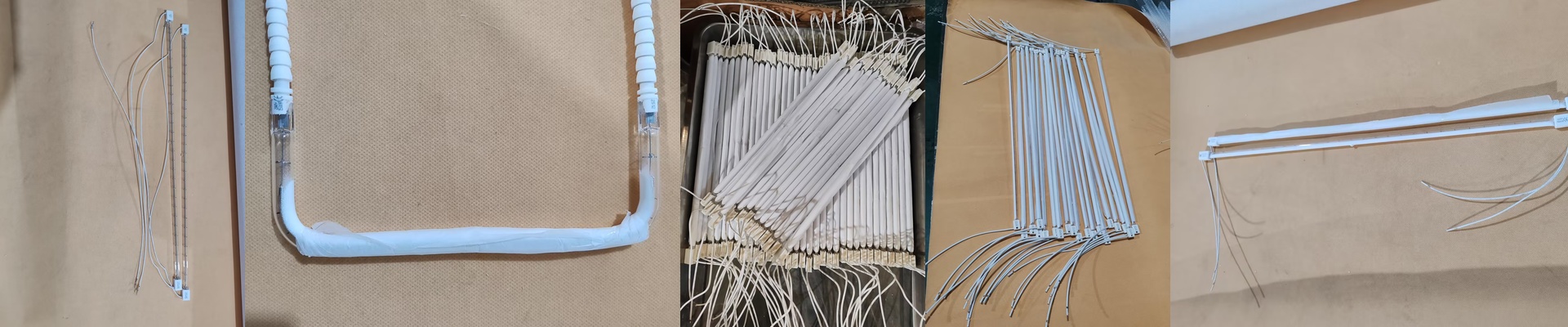
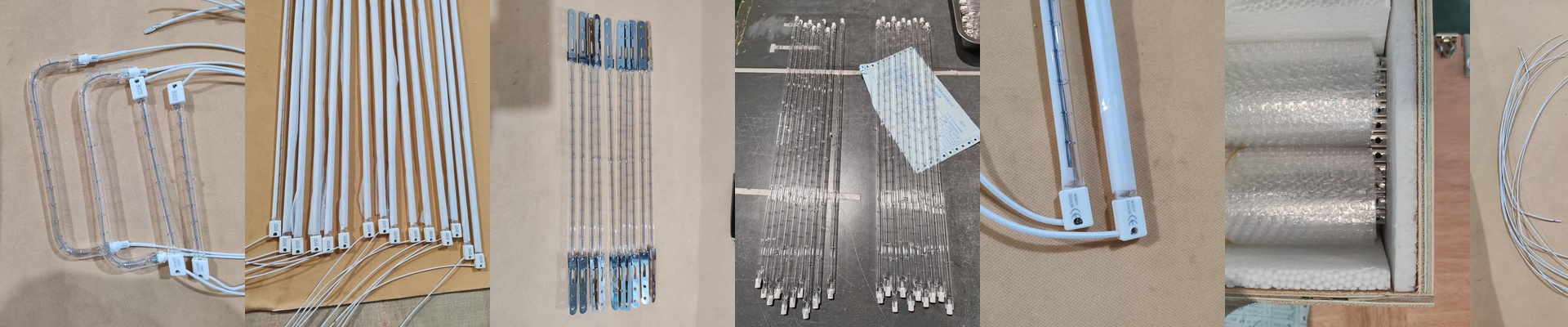
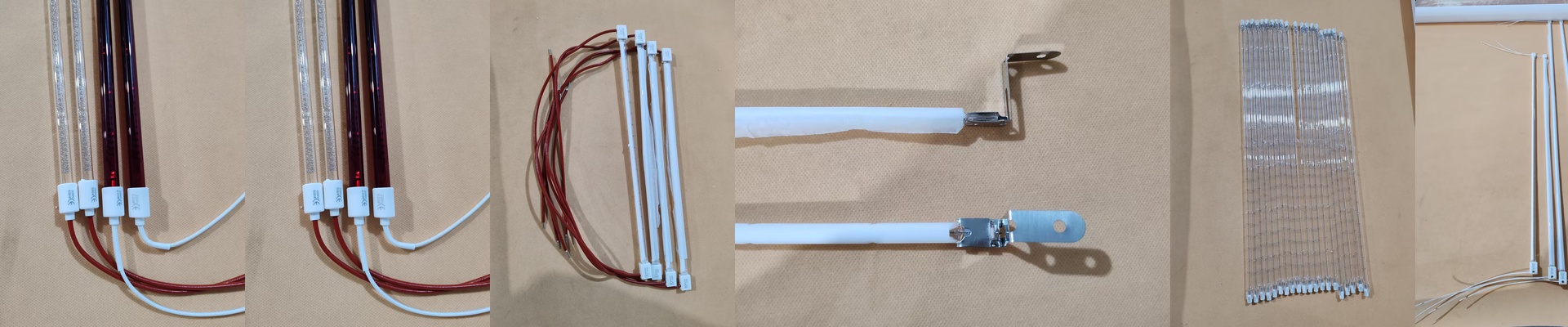
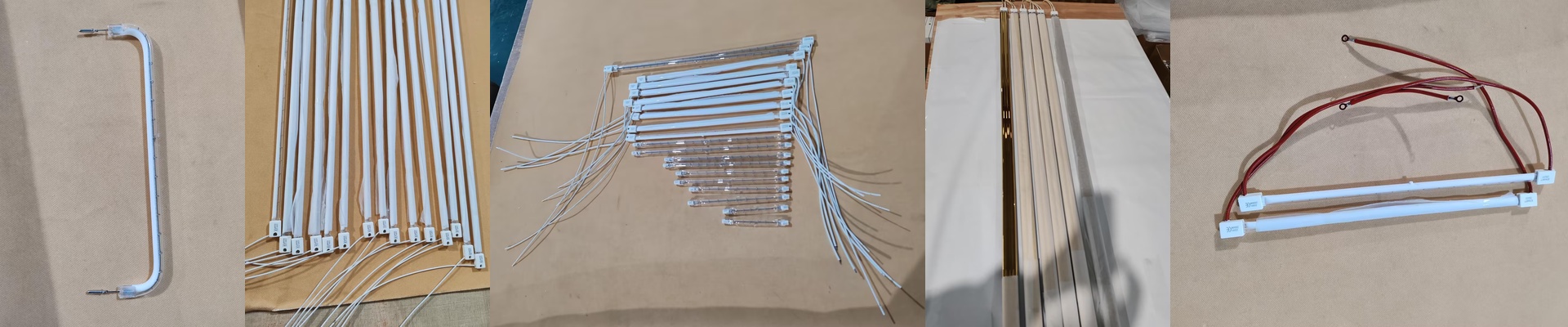
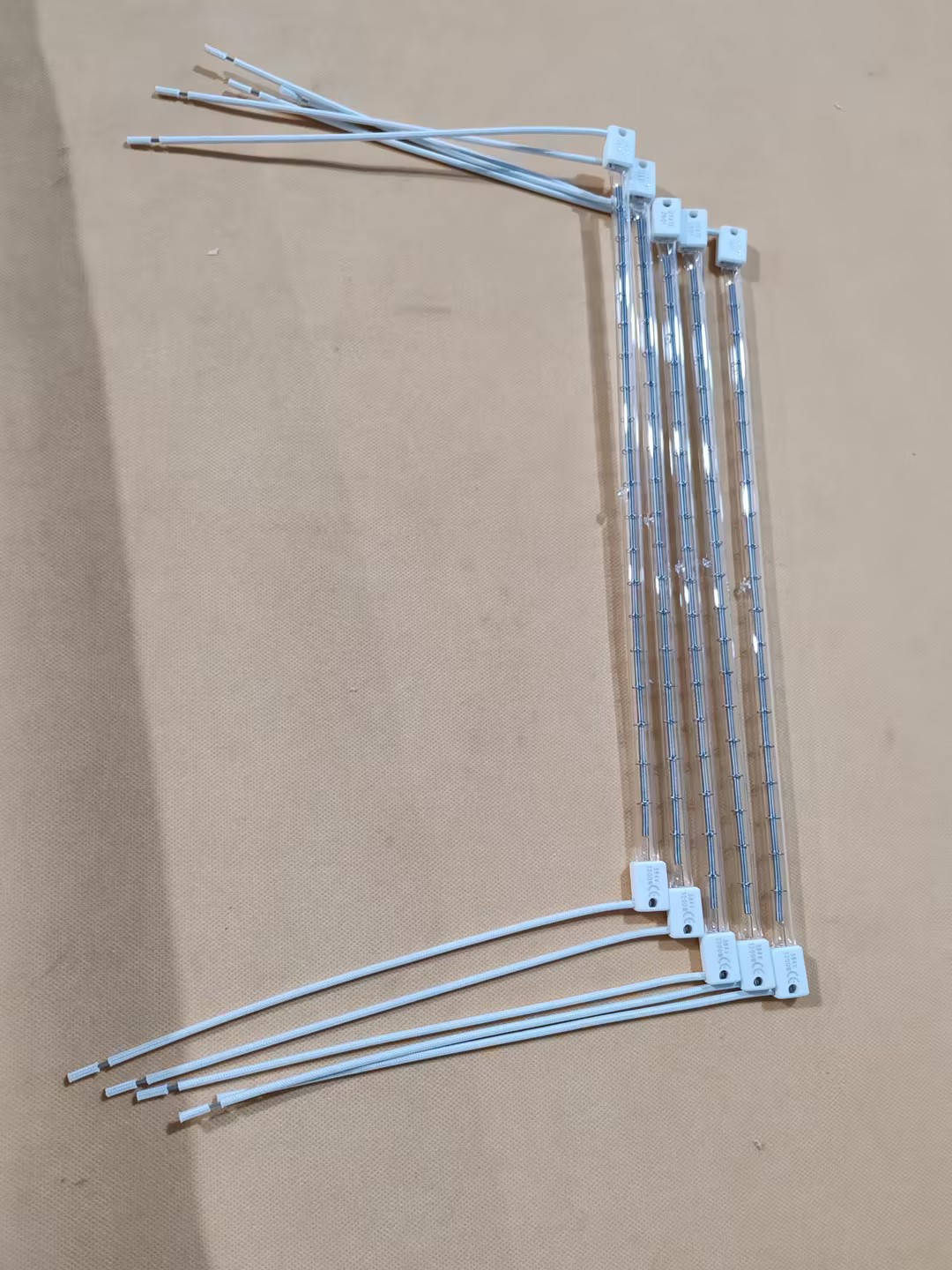
Ever wonder how some machines get things blistering hot in a matter of seconds? It usually comes down to shortwave infrared halogen lamps. Basically, we’ve got a tungsten filament inside a quartz tube, pressurized with a halogen gas mix. The magic here is that it doesn’t bother heating up the air around it. It just beams thermal energy straight into your target. It’s immediate. The balancing act of power and precision When you’re picking out an element, you’re mostly playing with wattage and voltage to get the heat flux you need. If you need a fast cycle, you go for high-wattage tubes to cram a lot of energy into a tiny space. And if you run a high-voltage setup? Great. You can use thinner wiring because the current draw is lower. But here’s the catch. When you’re dealing with this kind of heat density, your reflectors have to be spot on. If your focal point is even a little bit off, you’ll get hot spots. That’s how you end up with a warped workpiece or a lamp that burns out way sooner than it should. Quartz and the nitty-gritty details We use quartz for the tubes because it can handle those wild temperature swings without just cracking under the pressure. Sometimes we add specific coatings to the glass. This helps the heat soak deeper into plastics or special coatings rather than just hitting the surface. For the plugs, we stick with R7s or Sk15 connectors. They’re standard, they’re easy to swap out, and they fit tight. You don’t want things rattling around when the machine is humming along, or you’ll deal with arcing at the terminals. Nobody wants that. Putting it to work You’ll see these all over the place—PET blowing machines, powder coating lines, you name it. The whole point is speed. Since these lamps hit full temp almost instantly, you can actually shorten your ovens. That frees up a decent amount of floor space in your shop. Just a heads-up: make sure your PID controllers are tuned right. If you push the cycle time too hard, the quartz seals can get stressed from the rapid expansion. Pair it with an SCR power controller, and you’ll have smooth dimming and a temperature that actually stays where you set it.