Stop Guessing and Start Measuring Your Heating Costs
If you’re trying to lower your plastic heating bills, don’t just go hunting for the cheapest lamps you can find. That’s a trap. The real secret is how much heat you’re actually getting out of every single watt. When your setup eats through power or the lamps keep popping, you’re basically throwing money away every single shift. It’s frustrating, and it’s avoidable.
Let’s actually test it
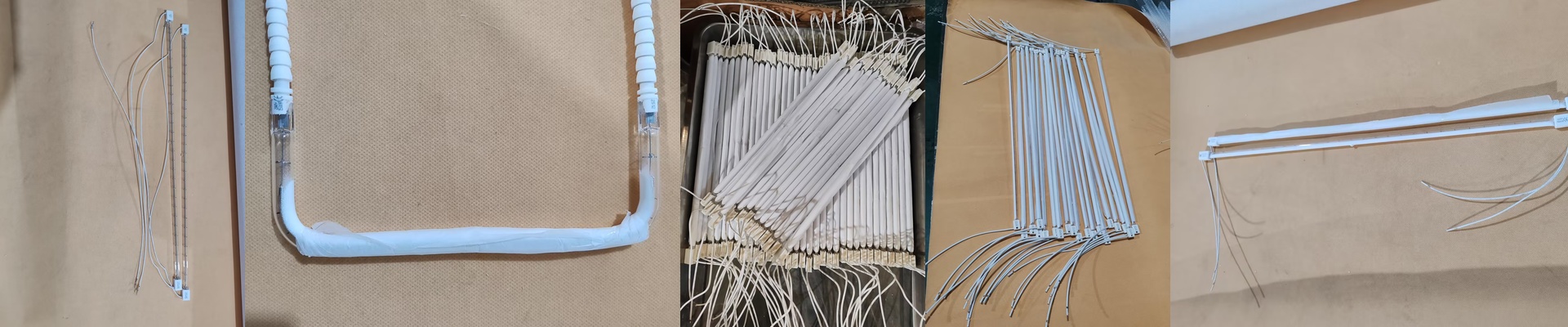
I’m not going to ask you to trust a glossy datasheet. Those are just numbers on a page. Instead, let’s do a “test-before-you-buy” run. Here is how it works: you put our heating elements right next to the ones you’re using now, on the same production line. That way, there are no excuses and no outside variables. We just watch the clock to see how fast the plastic hits its glass transition temperature and make sure the heat is hitting every inch of the sheet or preform evenly.
The catch with high-density heat
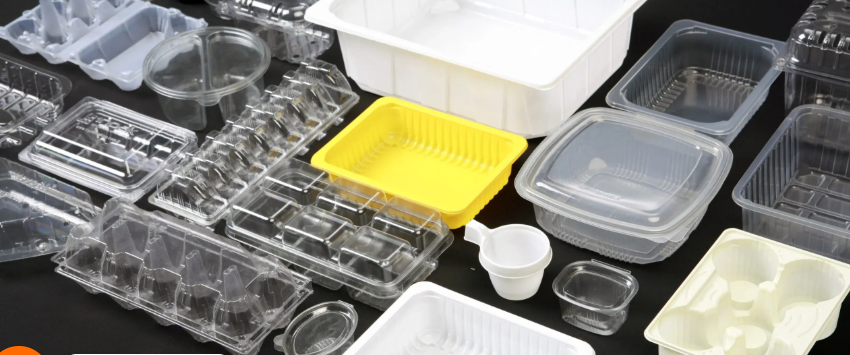
Now, high-wattage elements are great for getting things hot fast. If you’re doing high-speed PET blowing or thermoforming, you need that speed. But there’s a trade-off. When you cram that much power into a small space, it puts a lot of stress on the quartz envelope. If you go for extreme wattage without a solid cooling system for your machine frame, you’re asking for trouble. You might end up warping your reflectors or frying your sensors. It’s all about balance.
No risk, no headache
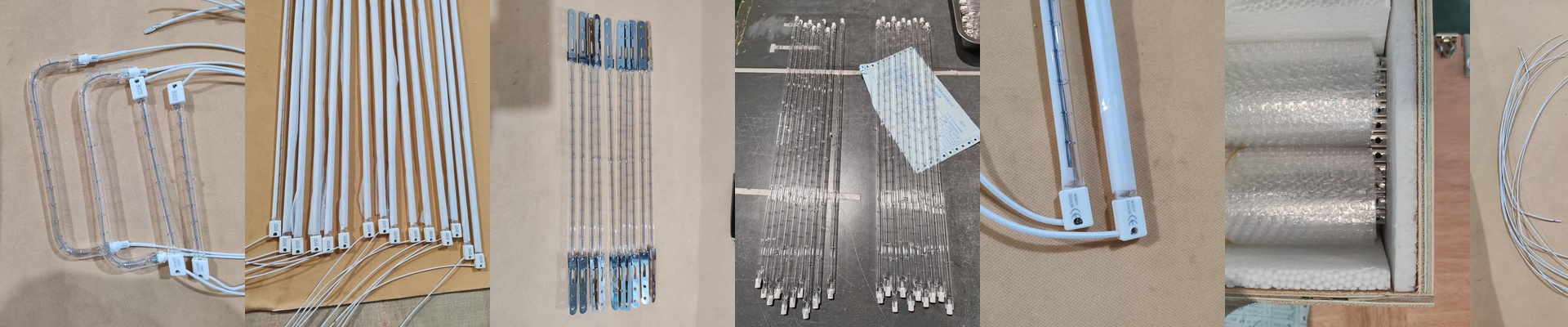
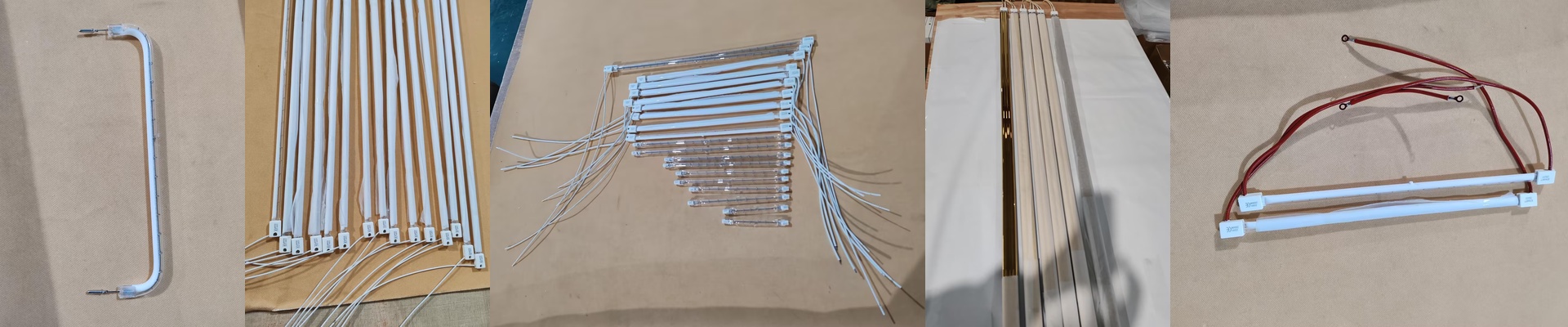
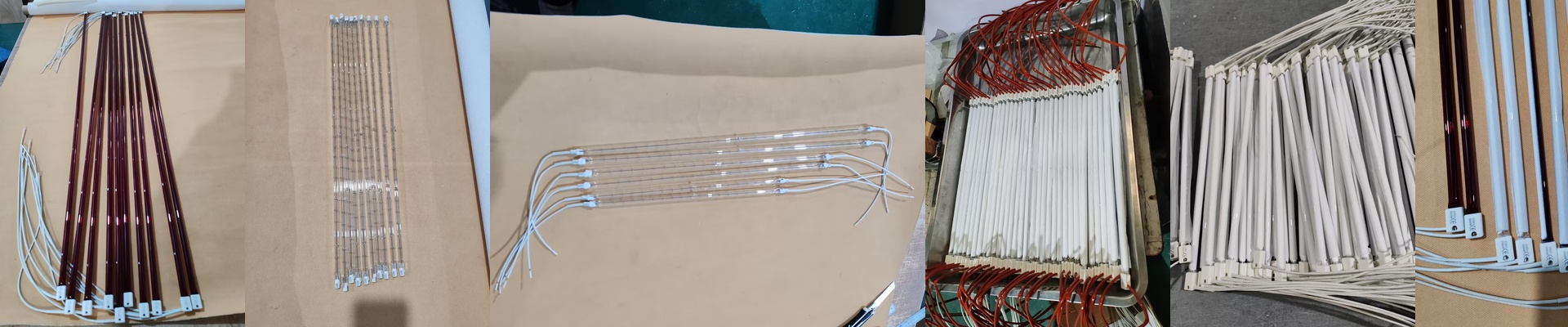
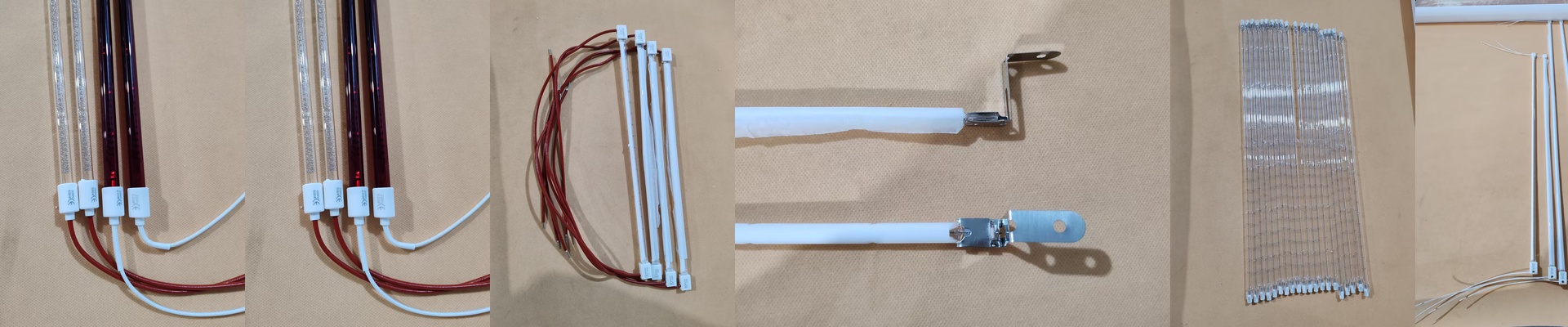
We made our elements to be simple drop-in replacements. You won’t have to rewire your panels or mess around with your mounts. Just swap the lamps, run the line for a week, and keep an eye on your scrap rate. If the heat profile doesn’t beat what you’ve already got, the trial is over. Simple as that. We’re fine with taking that risk because we know our filament winding and coating processes work. We’ll bring the hardware, you provide the line, and your own sensors will tell you if the order is worth it.