Getting Your IR Heating Right (Without Overpaying)
A lot of engineers stick with OYATE lamps because they know they work. We get that. Consistency is everything when you’re running a line. But here’s the thing: we build to those same technical specs, just without the fancy brand markup. We care about the physics of how heat actually moves, not the logo printed on the box.
Power and Voltage: The Balancing Act
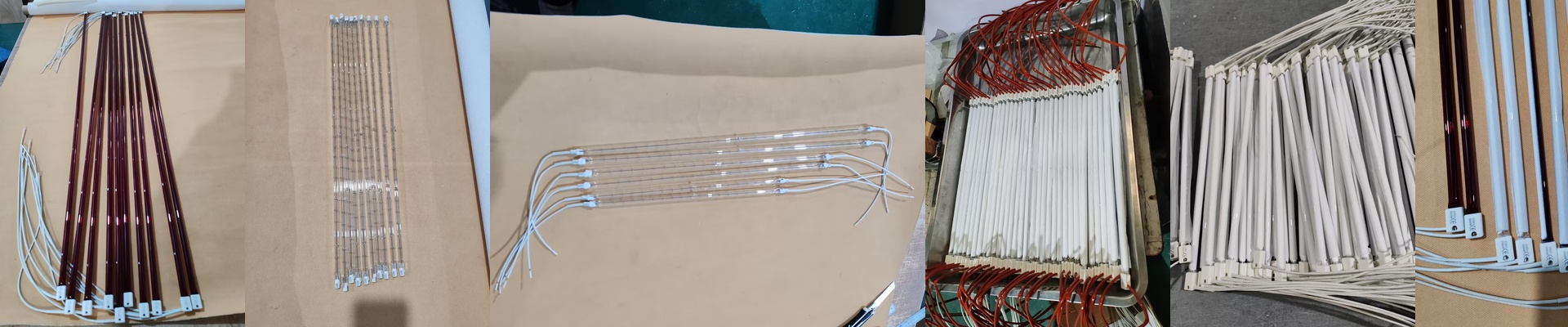
If you want a plastic preform ready for blowing, you need a serious punch of heat density. We’ve dialed in the wattage-to-length ratios so your quartz tubes don’t just pop under a heavy load. Running a 400V system? We push the wattage higher to shrink your heating cycle. It makes your throughput faster. Simple. But be careful. Pushing that much power creates a lot of heat inside your oven housing. Make sure your cooling fans can actually keep up with the temperature rise, or you’ll end up with warped reflectors. That’s a headache you don’t want.
The Secret is in the Glass
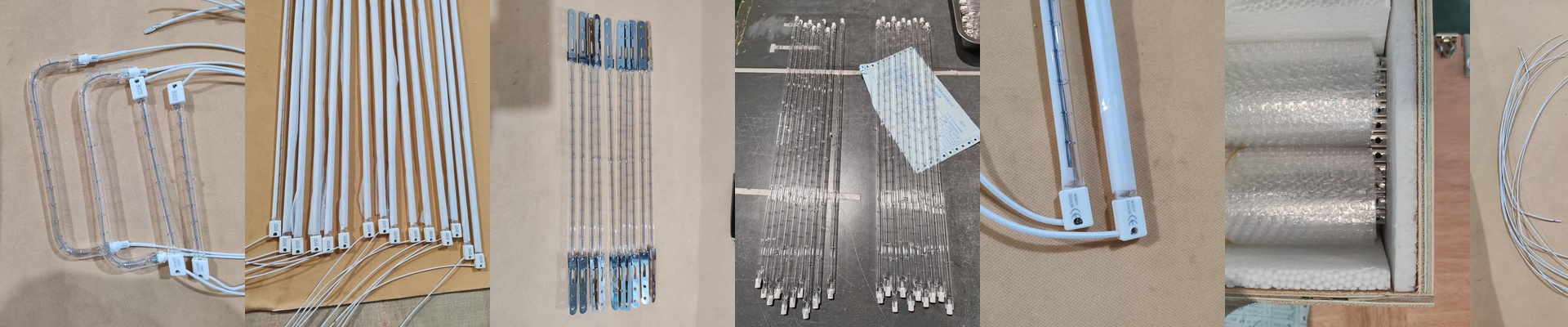
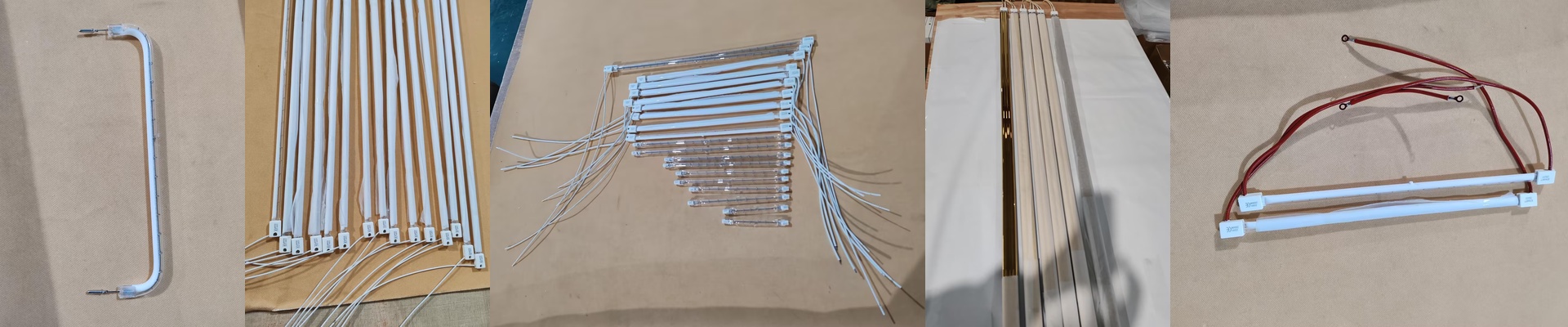
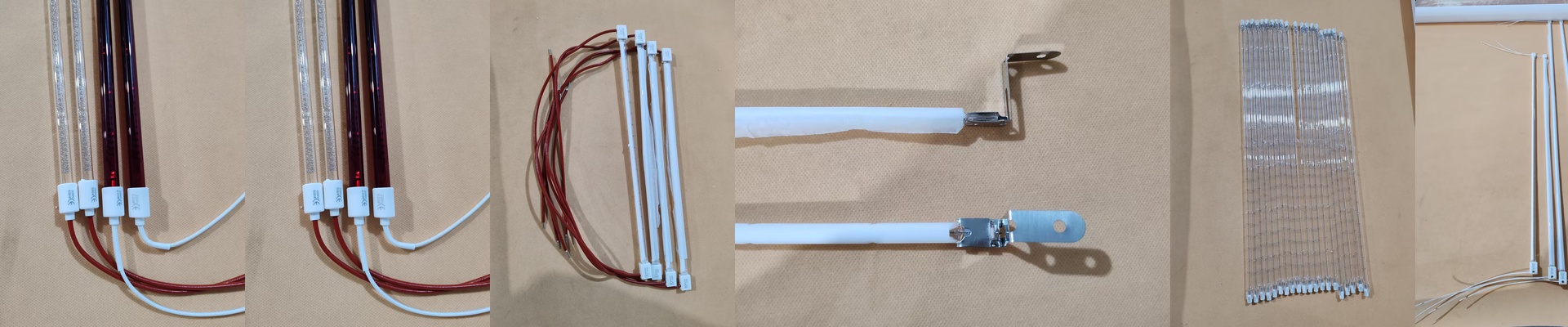
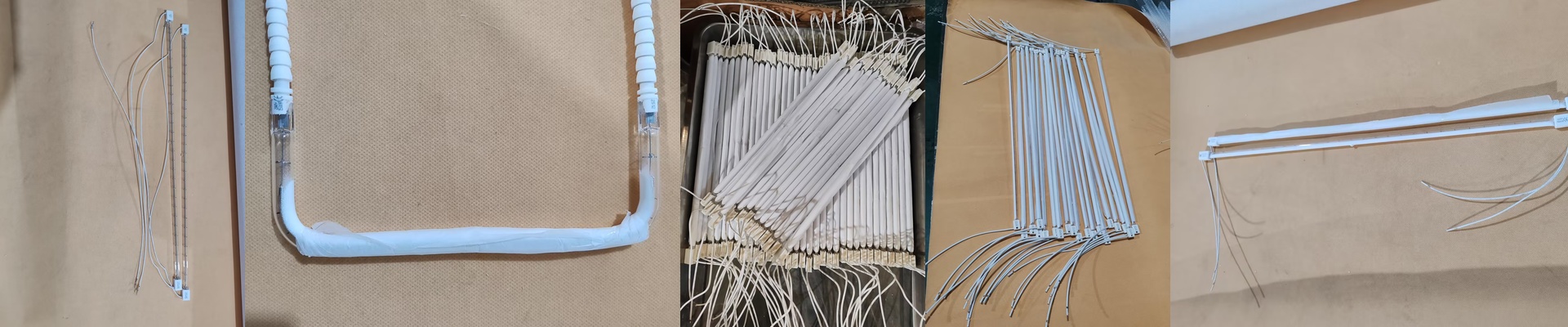
We use high-purity quartz glass so the shortwave IR radiation hits the plastic exactly where it needs to. Most cheap lamps fall apart at the coating stage. We do it differently. We apply a precise layer to tune the emission spectrum. This means the heat actually sinks into the PET or PVC instead of just scorching the surface and ruining your part. And since we use standard R7s or Sk15 connectors, these are just drop-in replacements. You can swap them into your current rigs and get back to work. No rewiring, no fuss.
What This Actually Means for Your Floor
You don’t need a luxury label to get a stable 2000W output. We obsess over the tungsten filament centering. Why? Because if it’s off, you get hot spots. Hot spots lead to premature failure. By getting the centering right, you get the same thermal profile and lifespan as the expensive stuff. We just cleaned up the supply chain to bring the cost down. You get the same heat, the same fit, and more money left in the budget.