Swapping Your Quartz Heaters: Getting it Right
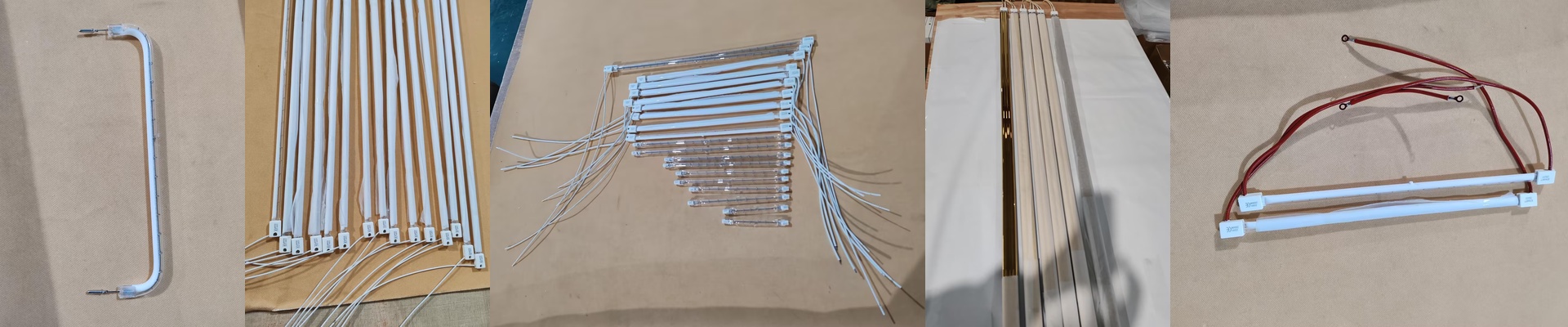
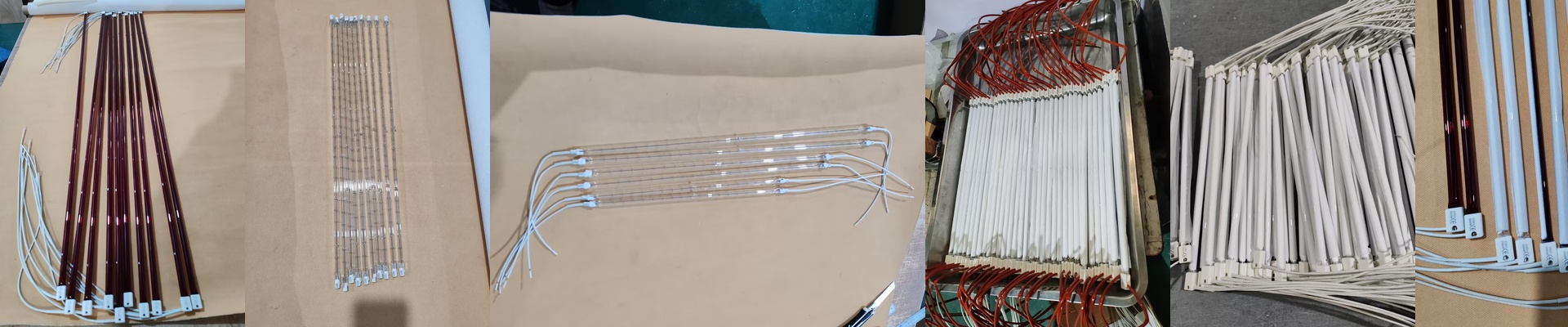
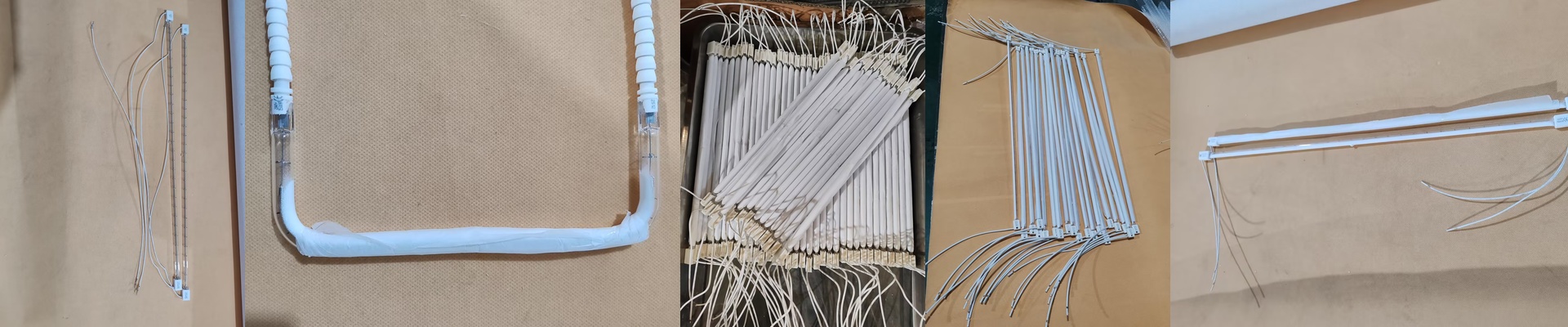
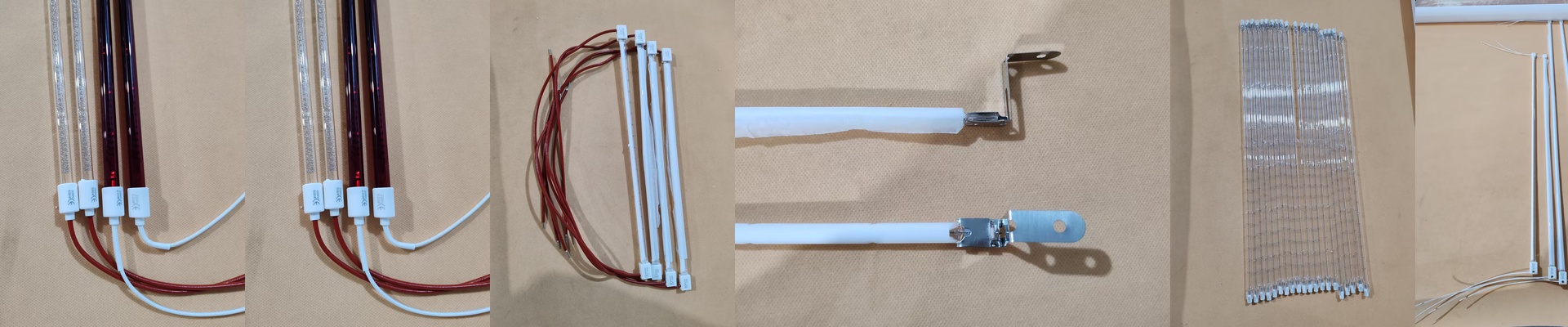
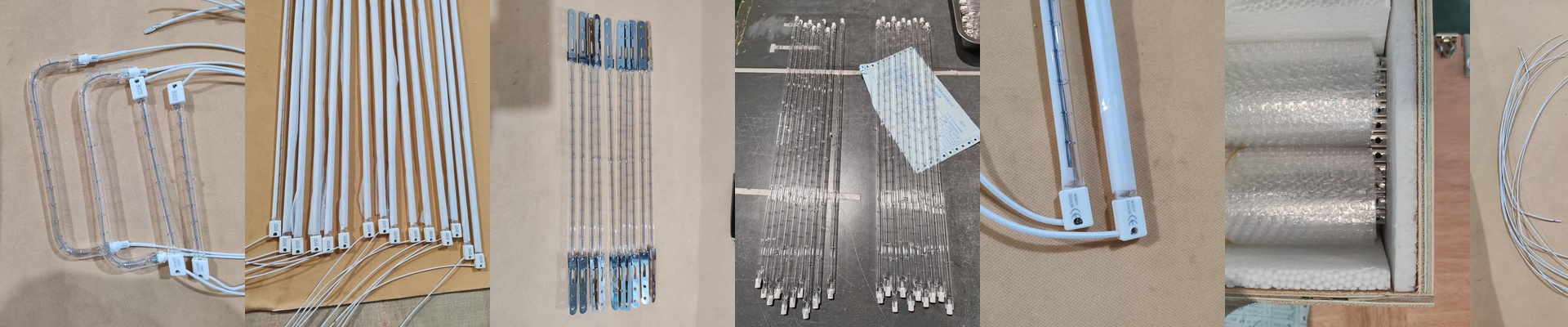
A lot of automotive molding shops are starting to ditch those pricey European infrared lamps for Chinese-made quartz heaters. Now, let’s be clear: this isn’t about just hunting for the cheapest part on the shelf. Nobody wants a part that fails in a week. It’s about finding a replacement that actually fits. You need something that slides right in and hits the exact same wattage, spectral output, and heat footprint as the original. If it doesn’t match, it doesn’t work. The Nitty-Gritty on Heat When we set up a quartz heater for a Tier-1 supplier, we’re obsessing over heat density. Depending on your machine’s power rail, you’re looking at 230V or 400V. We match the length and wattage precisely. Take a 300mm tube at 2500W, for example. If that wattage is off by even 5%, your cycle times start to drift. And in this business, a drifting cycle time is a headache you just don’t need. What’s Inside the Tube We use high-purity fused quartz. Why? Because it stops the lamps from burning out too early. Inside, the tungsten filament is halogen-filled, which lets it run hotter without the wire degrading. Then there are the connectors. We stick to the basics like R7s or Sk15. It makes life easier for your maintenance crew. They can just swap a lamp out and get back to work without having to rewire the entire heating block. The real goal here is short-wave infrared. It digs deeper and faster into the material than long-wave heat ever could. The Catch Here is the thing: high-density quartz tubes put a lot of stress on your reflectors. If your gold or aluminum reflectors are pitted or oxidized, it doesn’t matter how good the lamp is—you won’t hit your target temperature. You’ll feel the heat, sure, but you’re losing all that efficiency. We don’t ask you to take our word for it. We provide the electrical specs and thermal profiles. You plug them in, run a test batch, and check the melt temperature yourself. The numbers tell the whole story.