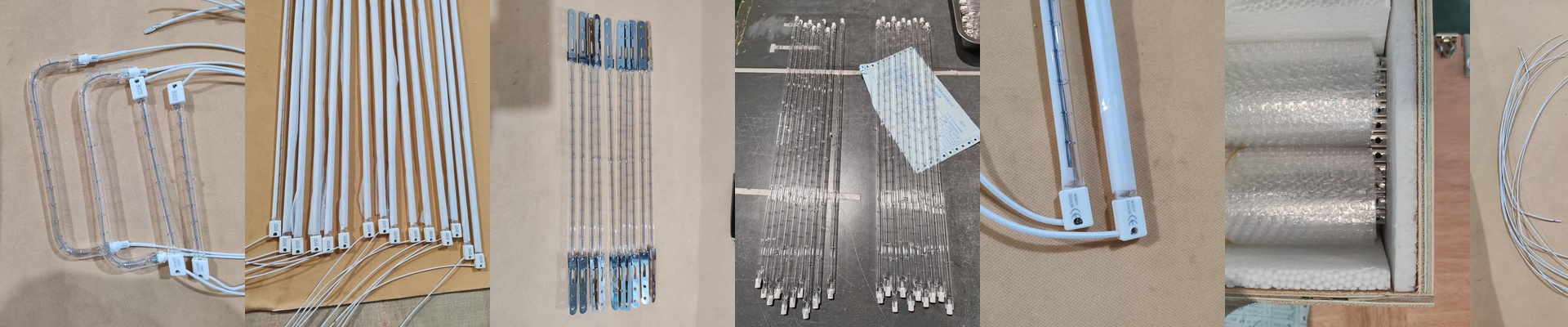
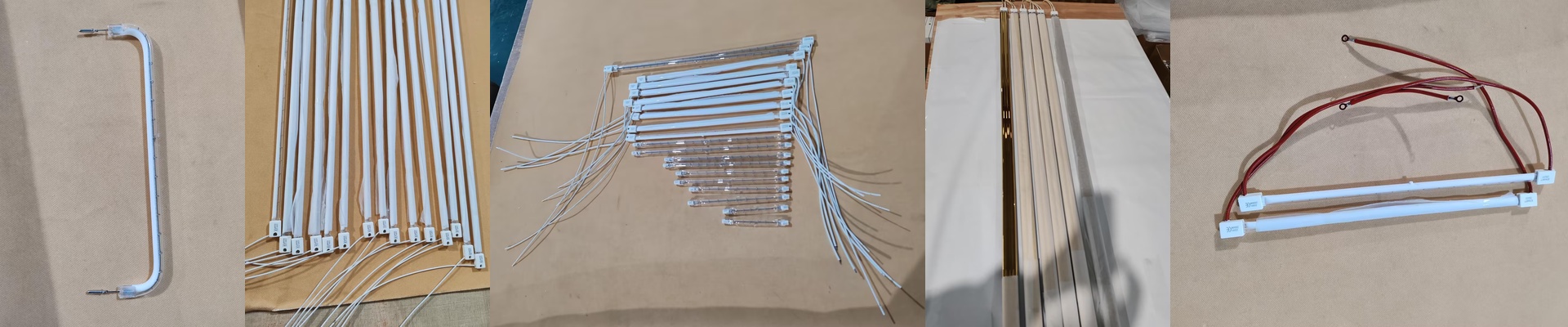
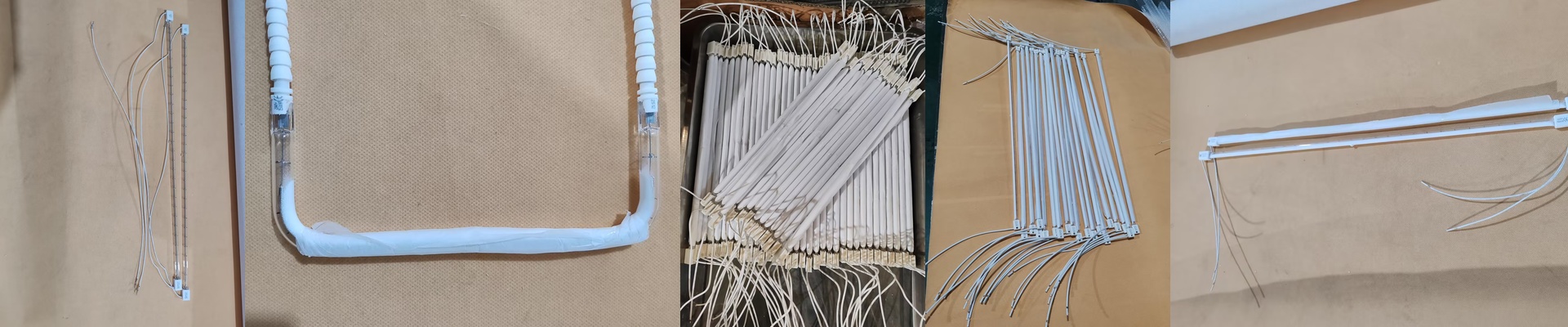
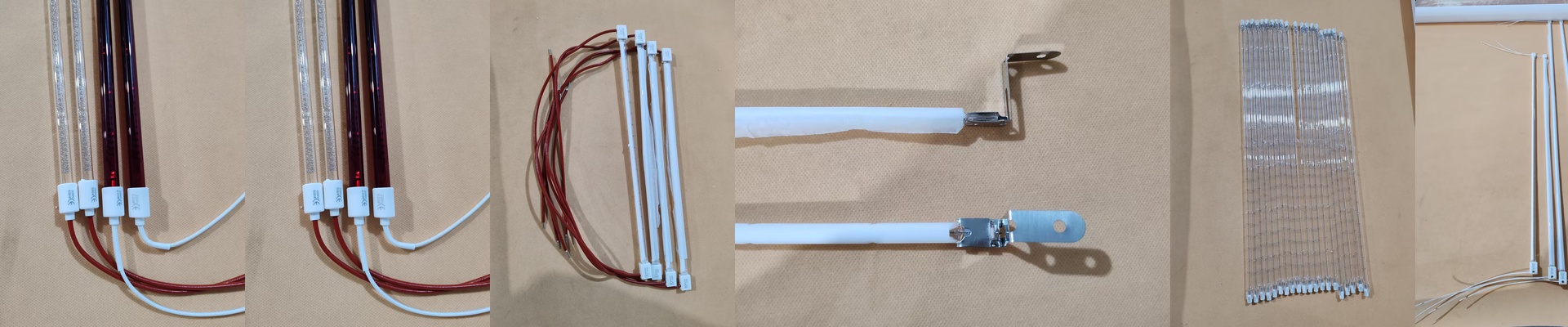
Swapping Your European Quartz Heaters for Chinese Industrial Alternatives
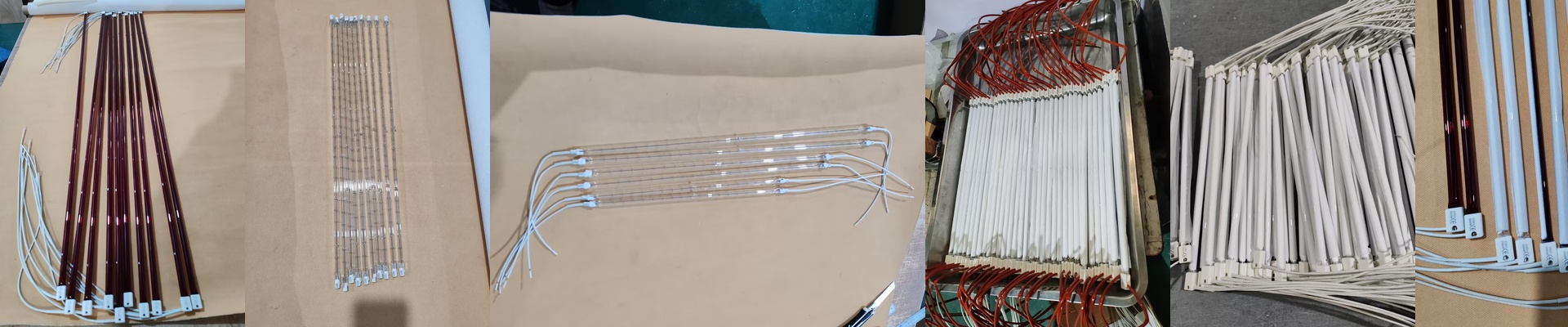
A lot of automotive injection molding shops started out with European infrared heaters. For a long time, those were the gold standard for keeping temperatures steady. But lately, we’re seeing more teams switch over to high-spec Chinese quartz heaters. It’s not just about saving a few bucks. It’s about finding a replacement that fits the exact electrical and thermal footprint of the gear you already have.
Getting the Heat Just Right
You can’t just match the length of the tube and call it a day. That’s a recipe for disaster. We look closely at the wattage-per-centimeter. If you’re moving from a 230V European spec to a domestic version, the heat density has to be a mirror image. If it’s too hot? You’ll burn out the filament or scorch your polymer. Too cold? Your cycle times start creeping up, and that kills your productivity. We use quartz glass that can handle being cranked up and cooled down over and over without cracking. There’s nothing worse than a tube snapping right when you’re ramping up for a big production run.
The “Plug-and-Play” Reality
Nobody wants to spend their weekend rewiring a control cabinet. That’s why we stick to standard R7s or Sk15 bases. You just pop them in and get back to work. The quartz envelope is treated to push out short-wave emissions. In plain English: it hits the mold surface faster. But here is a heads-up: high-output tubes put out some serious localized heat. If you decide to bump up the wattage to shave a few seconds off your cycle, check your cooling fans and heat sinks. If they can’t handle the extra load, you’re going to fry your sensors.
Keeping Things Consistent
In the automotive world, consistency is everything. Period. We build these heaters to keep the temperature tight across the entire length of the tube. No cold spots. No weird gaps. That means the plastic flows exactly how it should, which keeps your scrap rates low. You get the same performance you’re used to from the big European names. The best part? You aren’t stuck waiting six weeks for a replacement lamp to ship across an ocean while your machine sits idle.