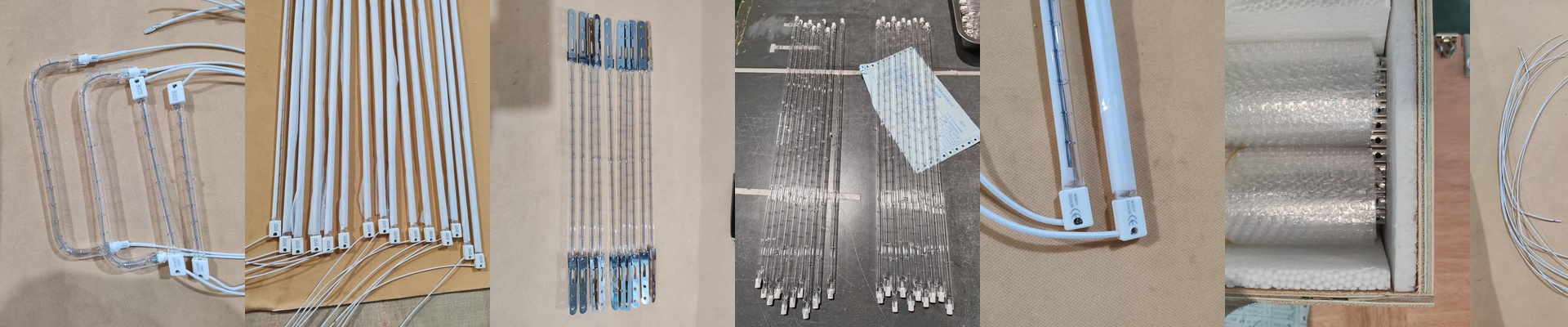
Let’s Talk About High-Output Quartz Heaters
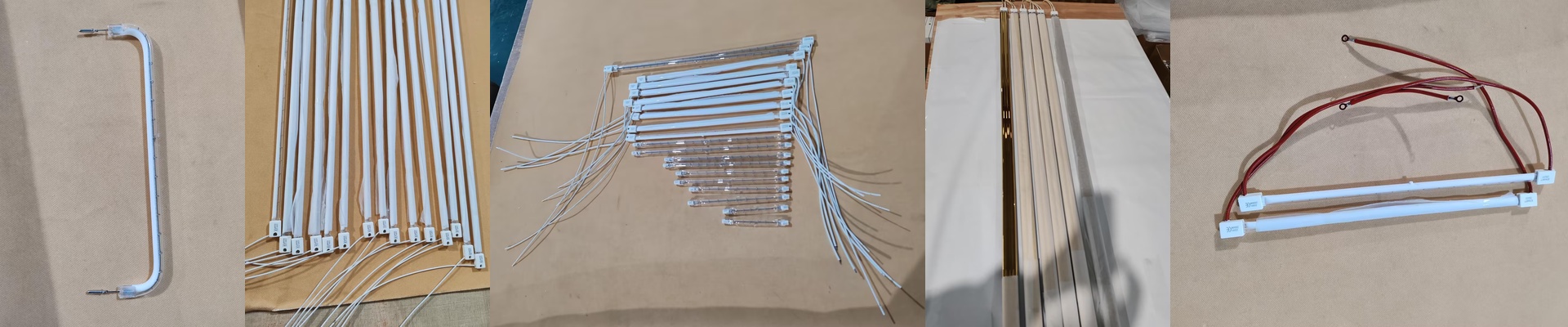
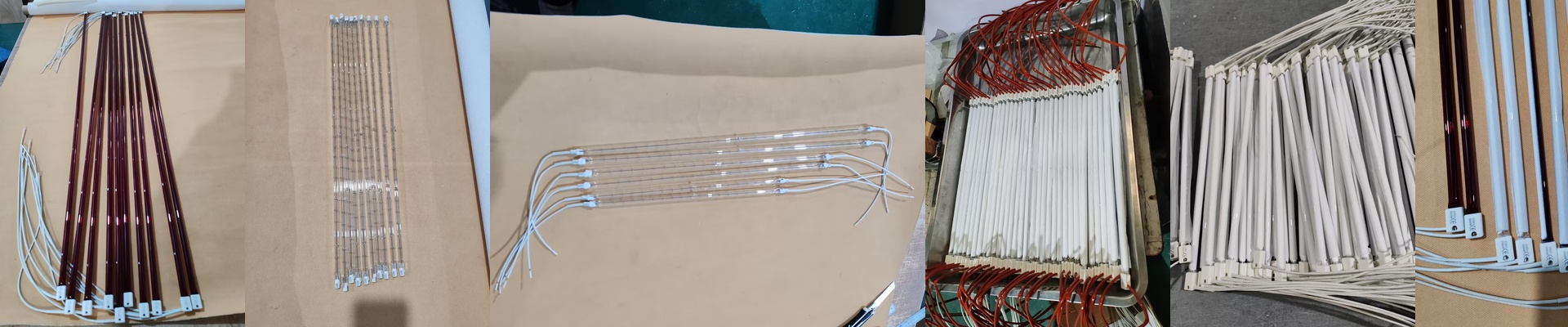
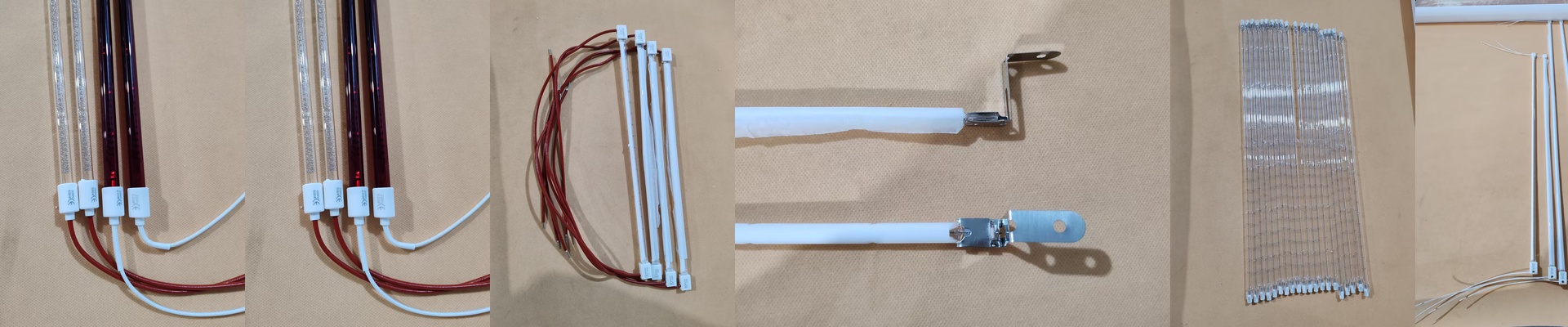
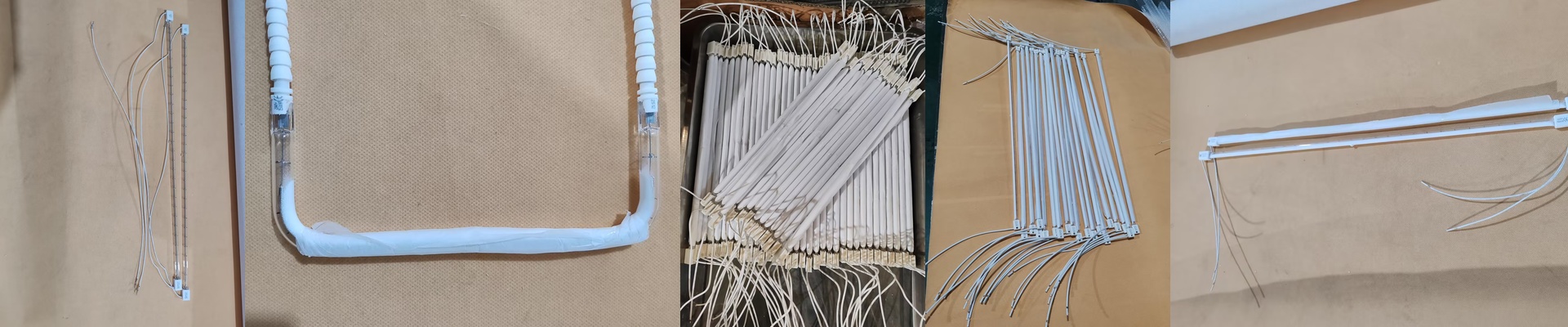
Look, nobody likes paying a middleman. Most of the time, these heating components pass through three different distributors before they ever reach your shop floor, and you’re the one paying for all those markups. We do things differently. We make the heaters ourselves and ship them straight to you. You get exactly the specs your machine needs, without the fluff or the “trading house” tax. Getting the heat right When we’re looking at a quartz tube, it all comes down to the balance between voltage and wattage. That’s what decides how “dense” the heat is. If you’re doing something like PET blowing or rapid curing, you need a massive temperature spike—and you need it now. That’s where a high-voltage setup comes in; it lets us cram more power into a shorter tube. Just a heads-up: if you’re pushing a 2500W load into a small space, make sure your wiring and contactors can actually handle that peak current. Otherwise, things start to burn out. The gear inside We use high-purity quartz glass because it lets the infrared heat through without fighting it. Depending on what you’re heating, we can coat the tubes. This shifts the emission from shortwave to medium-wave, which basically changes how deep the heat sinks into your material. As for the electrical side, we stick with standard R7s or Sk15 connectors. They’re simple. They’re reliable. Most importantly, they’re drop-in replacements for most industrial rigs, so you can swap out an array without having to tear apart your whole housing. The reality check Here’s the thing: high-wattage lamps put out an incredible amount of heat, but they’re still glass. They’re fragile. If your cooling cycles are too aggressive, the glass takes a hit from the thermal shock. You have to find that sweet spot between how fast you ramp up the heat and what the quartz can actually handle physically. Plus, keep an eye on your sockets. If the air around the connectors gets too hot, those terminals will fail way sooner than they should. We build these things to be tough, but at the end of the day, the environment you put them in is what decides how long they’ll actually last.