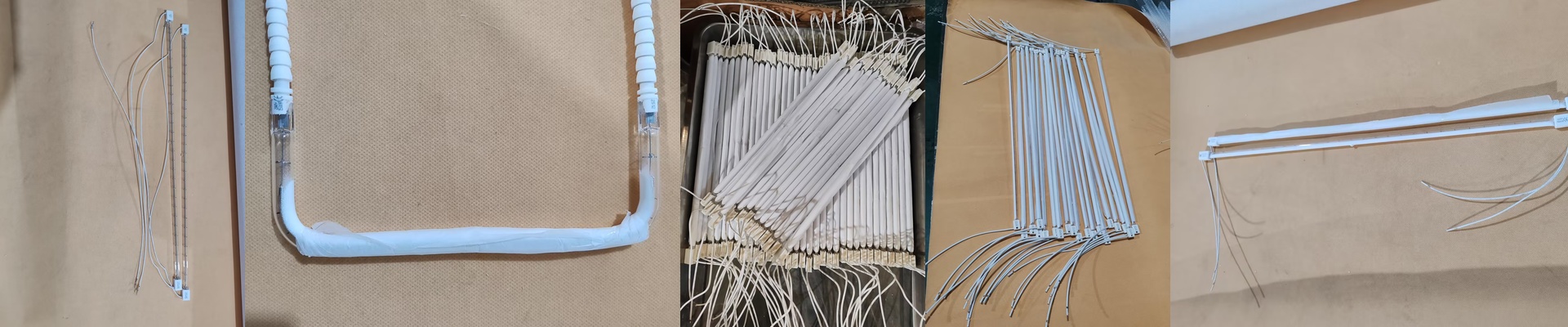
Stop Losing Time to Burnt-Out Quartz Heaters
Let’s be honest: nobody likes it when a lamp pops in the middle of a shift. It feels like a small thing—just a quick swap, right? But it’s never just about the cost of the part. While you’re standing there changing a bulb, your line is dead. Your throughput is dropping. You’re losing money every single second that machine isn’t humming.
The hidden cost of “cheap” lamps
I see this all the time in PET blowing and curing lines. People look at the price tag of a heater and think they’re saving money. But they forget about the labor. They forget about the heat loss every time the system cools down. If you’re swapping lamps every few weeks, your “cost per part” is actually way higher than you think. The goal isn’t just to buy a lamp; it’s to stop thinking about the lamp entirely.
Why some tubes just last longer
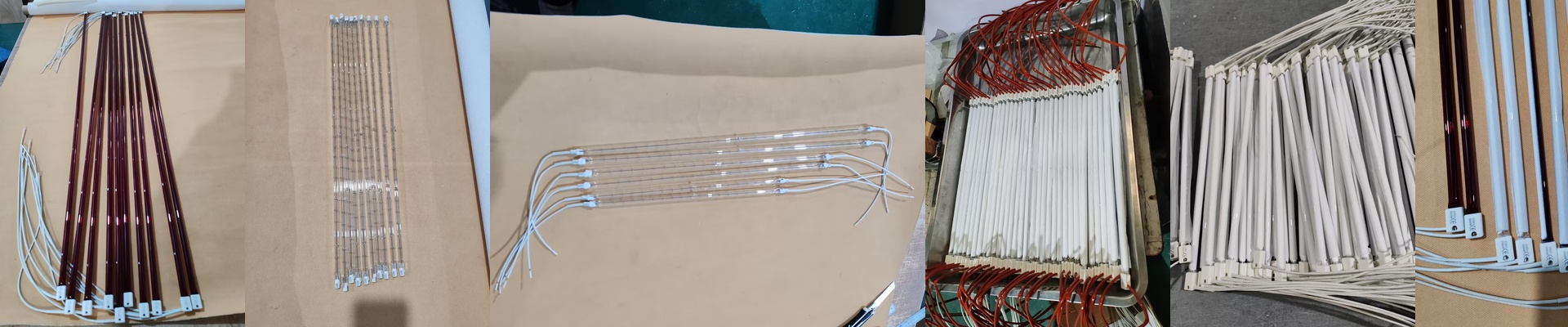
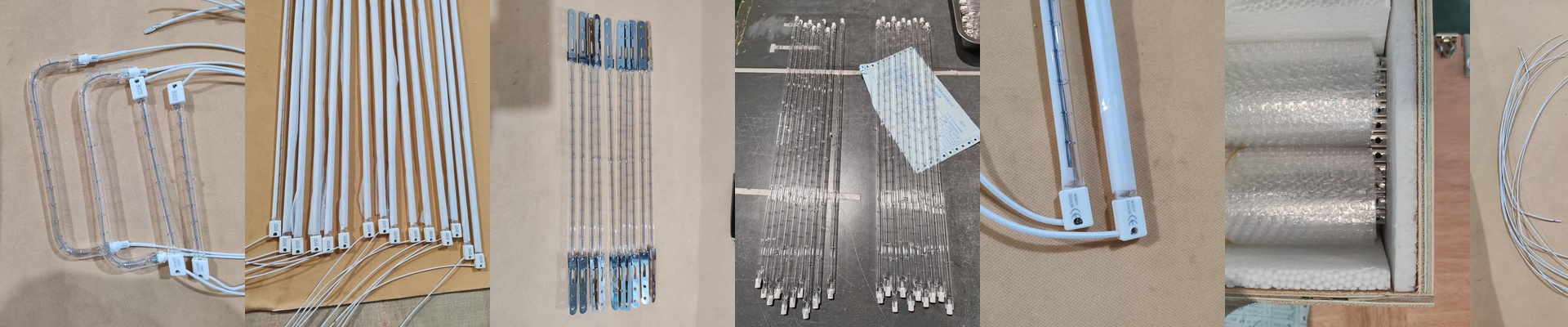
We focus on the grit of the build. By tweaking the tungsten filament and using high-purity quartz glass, we keep the heat steady across the whole tube. No “hot spots.” No random ruptures. Just a consistent glow. One quick tip: double-check your transformer specs. If the voltage and wattage don’t match up perfectly, you’re either going to under-heat your product or fry the filament in a matter of hours. It’s a brutal mistake, but it happens.
Halogen vs. Vacuum (and a warning)
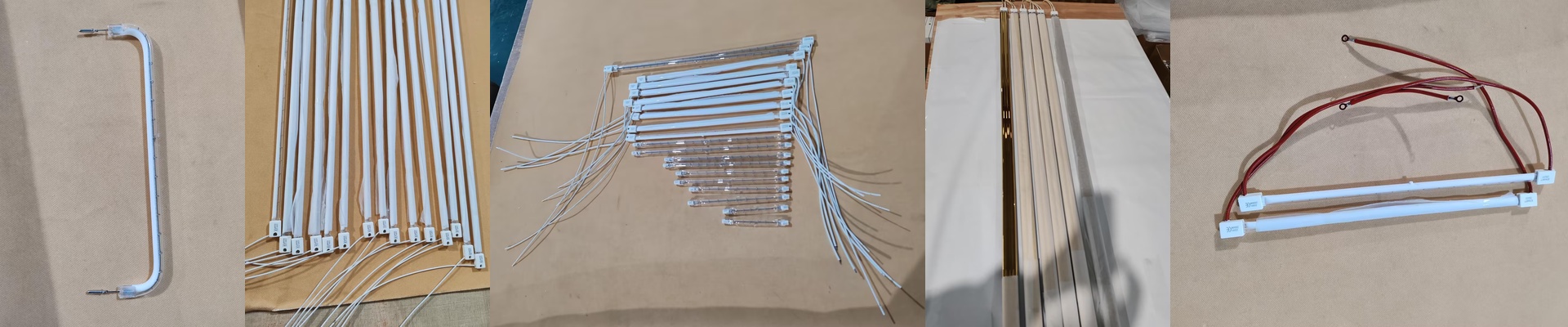
Halogen-filled tubes are usually the way to go. They react faster and last longer because the tungsten doesn’t evaporate as quickly at high temperatures. But here’s the thing: more power means more stress on your reflectors. If you decide to bump up to a higher-output lamp to speed up your line, make sure your housing can actually breathe. If the ambient heat has nowhere to go, it’ll kill even the most expensive lamp we make.
Getting back to work
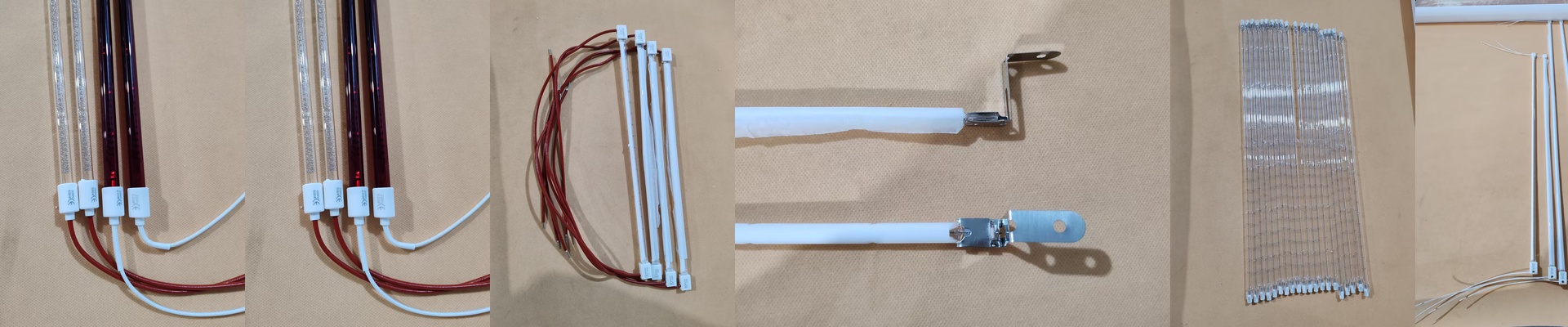
We keep things simple with drop-in replacements using standard R7s or Sk15 bases. No rewiring. No modifying your circuitry. You just plug it in and get the line moving again. The faster you can get that lamp swapped, the faster you get your production numbers back where they belong.