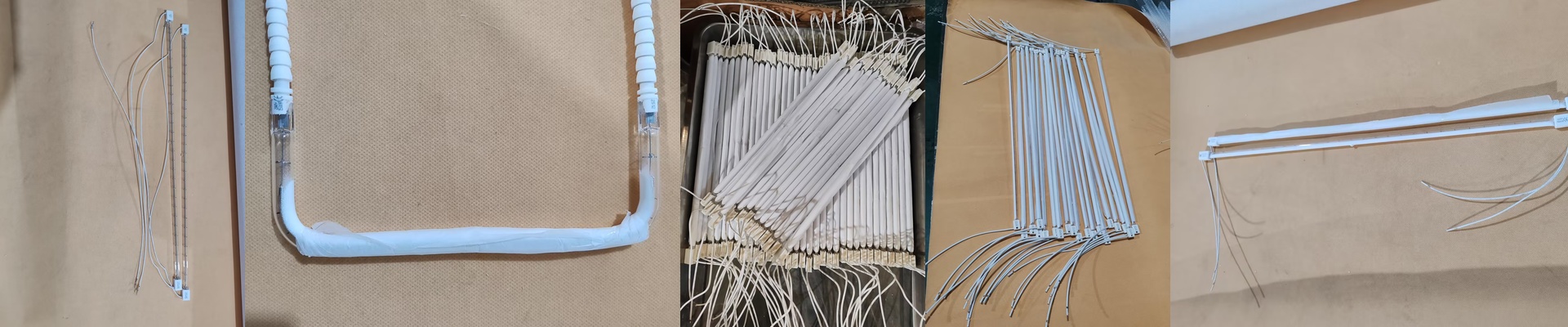
Stop Stressing Over Your Quartz Lamp Burnouts
If you’re running a PET blowing or vacuum forming line, you know the drill. You’re just getting into a rhythm and then—pop—another lamp goes. When you’re cycling through hundreds of quartz tubes across several oven banks, those replacement costs start to bite. I’ve seen plenty of plant managers panic-buy massive stockpiles just to avoid downtime, only to find half the tubes have degraded in storage or the machine specs changed, leaving them with a pile of expensive glass they can’t even use.
Let’s talk heat
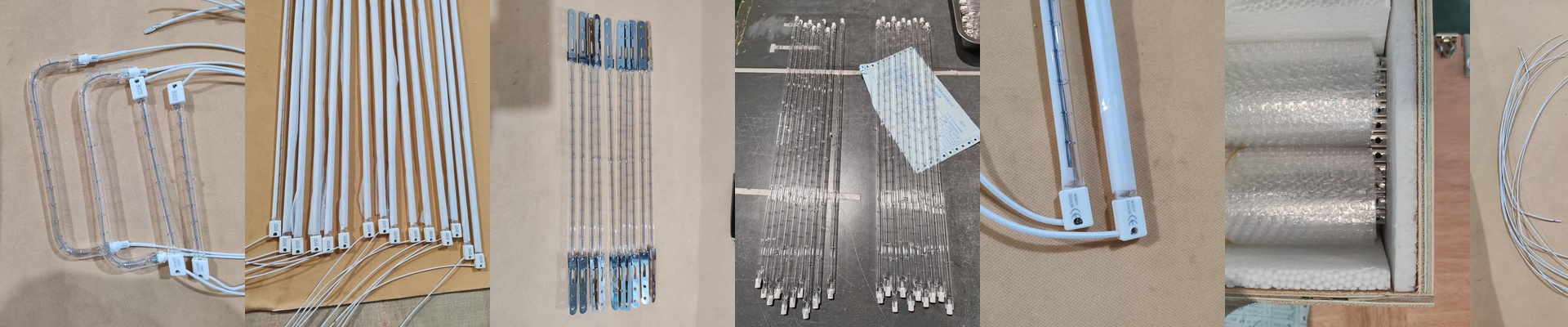
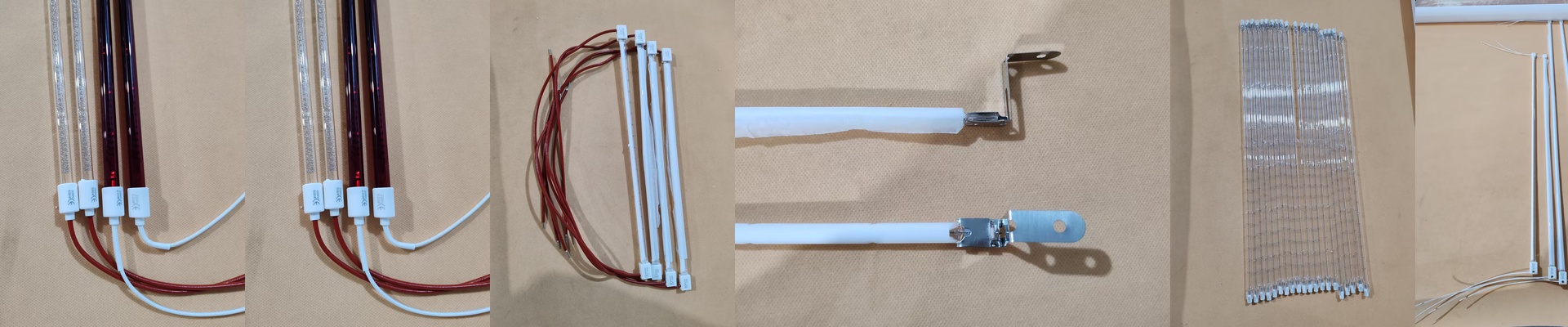
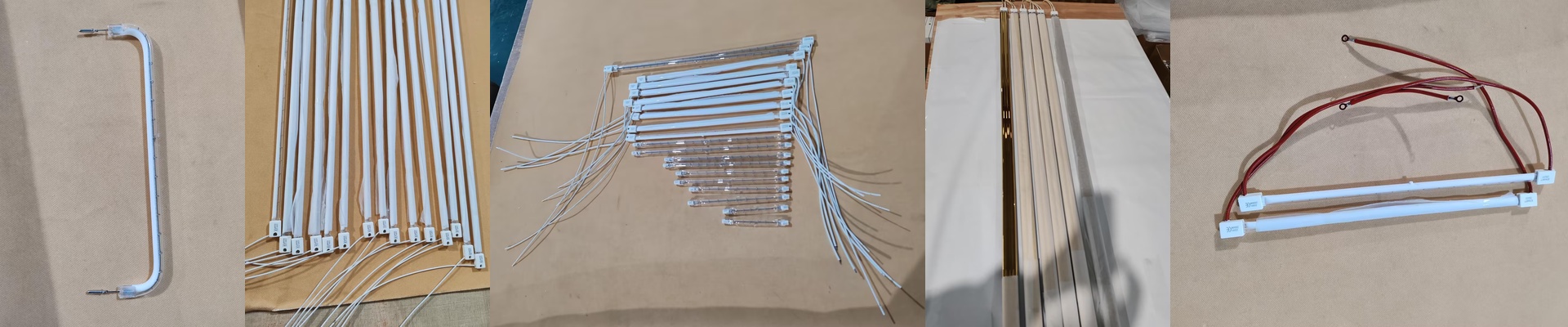
In PET blowing, it’s all about hitting that sweet spot. You need the plastic to reach the glass transition temperature fast and evenly, but if you overdo it, you’re just scorching the preform. That’s why we focus on high-intensity short-wave radiation. It doesn’t just sit on the surface; it actually penetrates the plastic. Depending on your setup, you’re probably using either 230V or 400V systems. Now, high-voltage tubes are great because you can go longer without pulling too much current. But there’s a catch. They put a lot more stress on your insulation. If you cram a high-wattage tube into a housing with bad airflow, you’re basically asking for the filament to fail early.
A better way to handle your spares
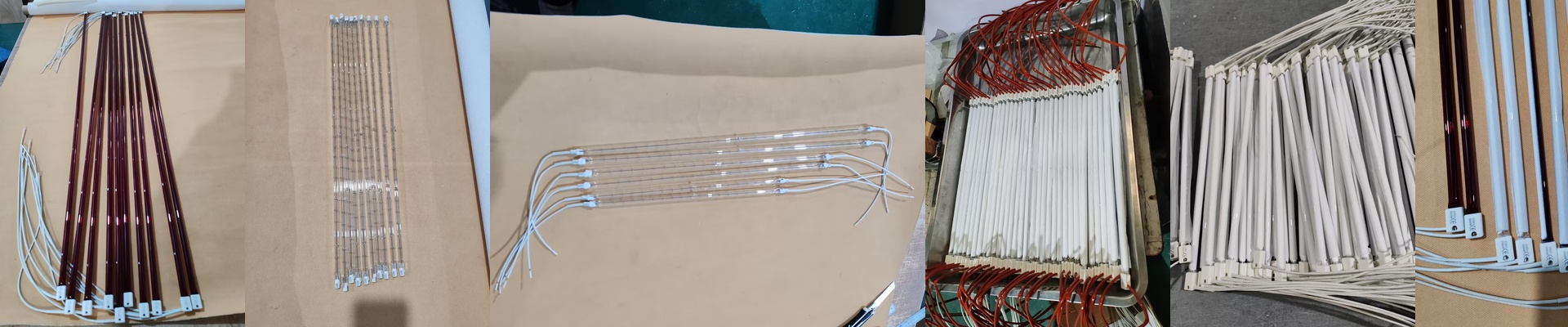
Most people buy infrared lamps like they’re buying lightbulbs for their house—one off here, a few there. That’s a mistake. To get rid of that “zero-stock” anxiety, we do things a bit differently. Instead of forcing you to drop a huge chunk of capital on 500 tubes at once, we use tiered pricing based on what you’ll actually use in a year. You get the bulk discount, but we ship them in smaller, staggered batches. Your spares stay fresh, and you don’t have to worry about a forklift driver accidentally smashing a year’s worth of inventory in the warehouse.
The trade-off
Here is the honest truth: you can’t have it all. Higher wattage means your cycles are faster. That’s great for your numbers. But it also means the lamp burns out sooner. If you push a tube to its absolute limit just to shave two seconds off a cycle, be ready to replace it more often. It’s a balancing act between how fast you want to produce and how often you want to be climbing into those ovens for maintenance.