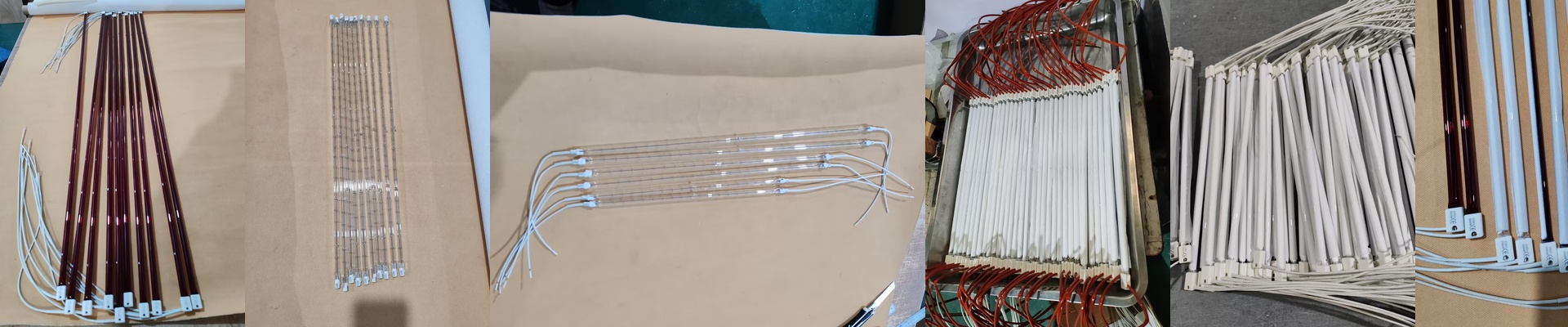
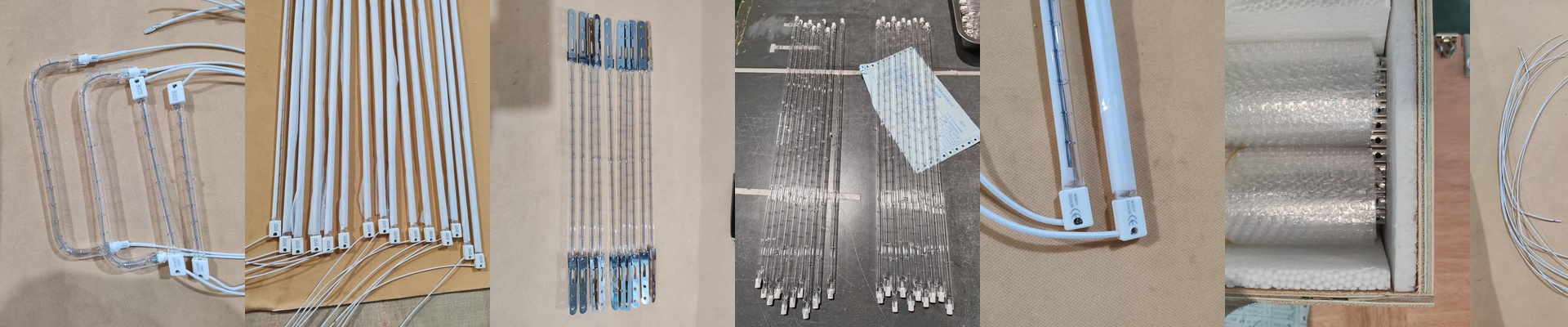
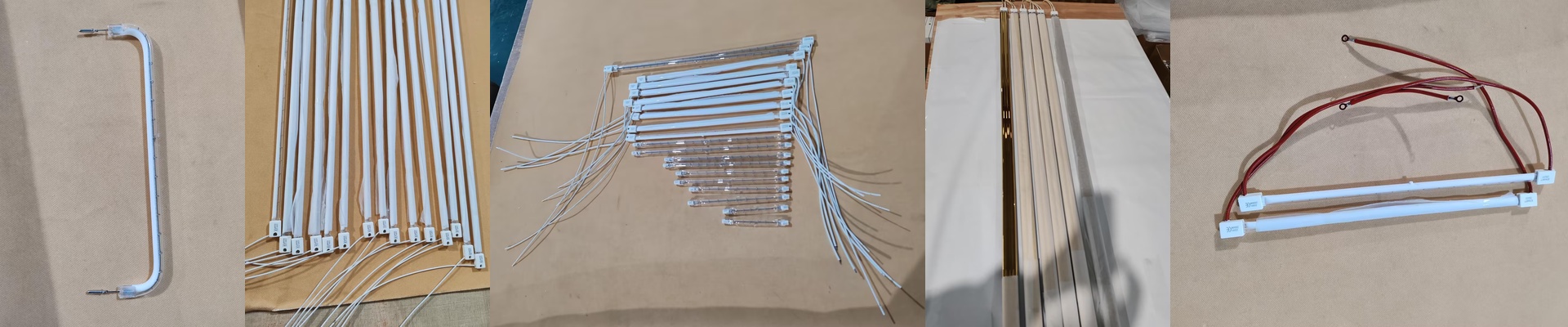
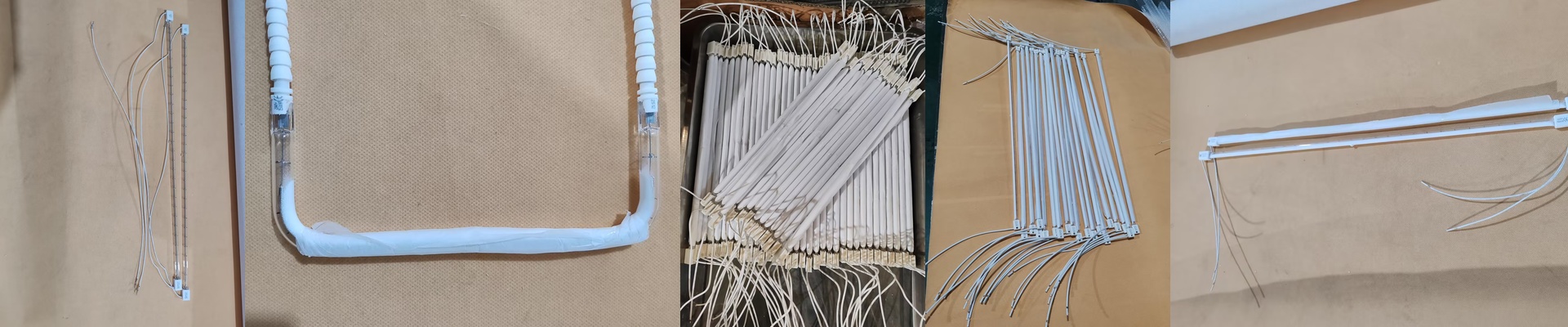
Do you really need those overpriced name-brand quartz heaters?
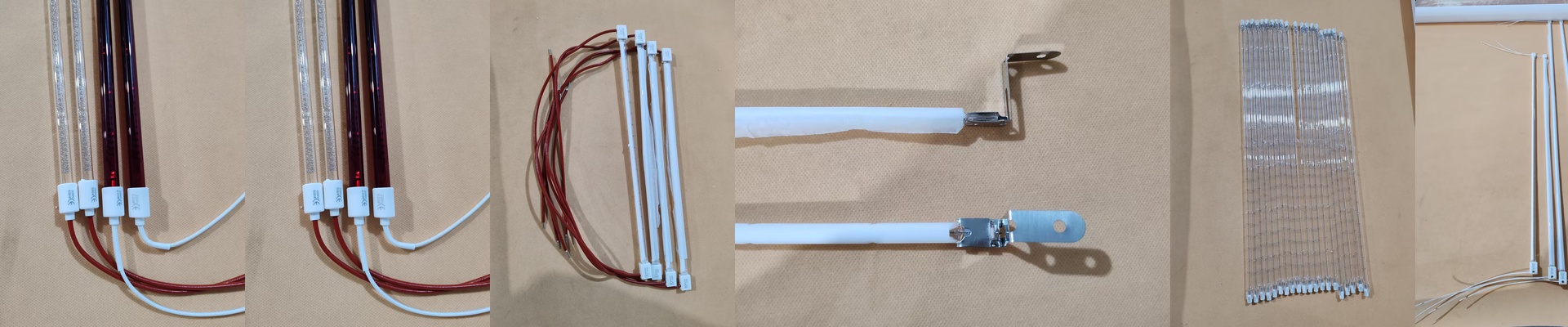
I talk to a lot of engineers in PET blowing and thermoforming who swear by those high-end European or American infrared lamps. They pay a massive premium for them. But here’s the thing: when I look at the specs, they’re almost identical to what we’re pumping out of our own factory. The real question isn’t whether a local lamp will turn on. Of course it will. The real question is whether it can hold a steady thermal profile so your plastic walls don’t end up uneven. Let’s talk power. When you’re picking a lamp, you’re really looking at heat density. Take a 300mm tube running at 400V. We aren’t just throwing wattage at the problem. We’re balancing the electrical load so you don’t burn out your filaments prematurely. Going with higher voltage lets us hit those high wattages without needing huge amounts of current. That means your wiring stays thinner and your control panels don’t turn into ovens. Just a heads-up: don’t swap a 230V lamp for a 400V one without checking your transformer first. If you do, you’ll fry the whole circuit. Simple as that. The nitty-gritty stuff We use high-purity quartz glass. Why? Because we want that shortwave radiation to punch right through the plastic instead of just heating up the air around it. We also fill them with halogen gas. It stops the tungsten filament from evaporating too fast, which means your lamp won’t dim or lose its punch over time. As for the connectors, we stick to the basics—R7s or Sk15. They aren’t fancy, but they work. They slide in and lock down without a fight. Fit matters. If it’s too loose, you get arcing. If it’s too tight, the quartz can actually crack when it expands from the heat. It’s a delicate balance. What happens in the real world? In PET blowing, you need to hit that glass transition temperature fast. Our lamps have the raw heat to get you there. But there’s a catch. Pushing 2500W into such a small space creates a ton of ambient heat. You’ve got to make sure your cooling fans are actually up to the task. If they aren’t, you’ll warp your lamp holders. We design these to be easy drop-in replacements. But at the end of the day, how long the lamp lasts depends on how well your machine handles the heat.