A No-Nonsense Guide to Replacing Infrared Halogen Lamps
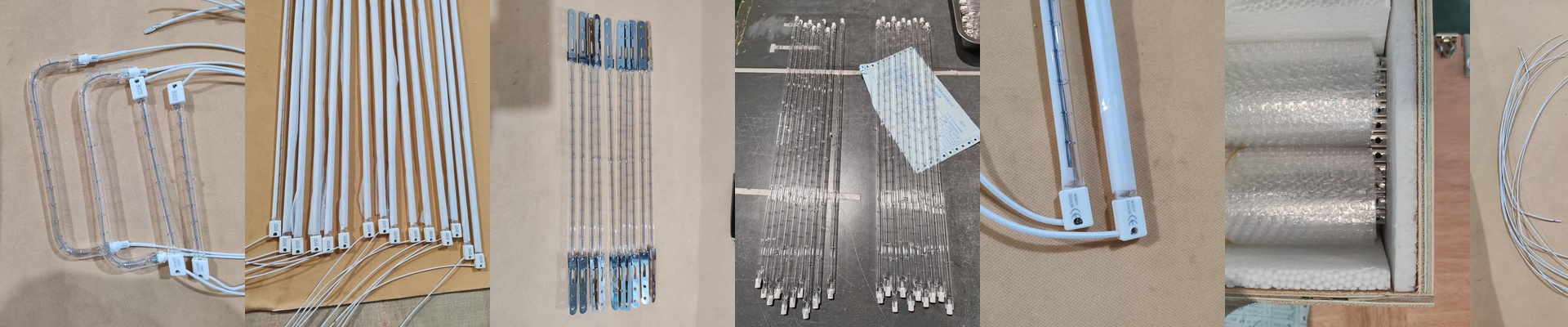
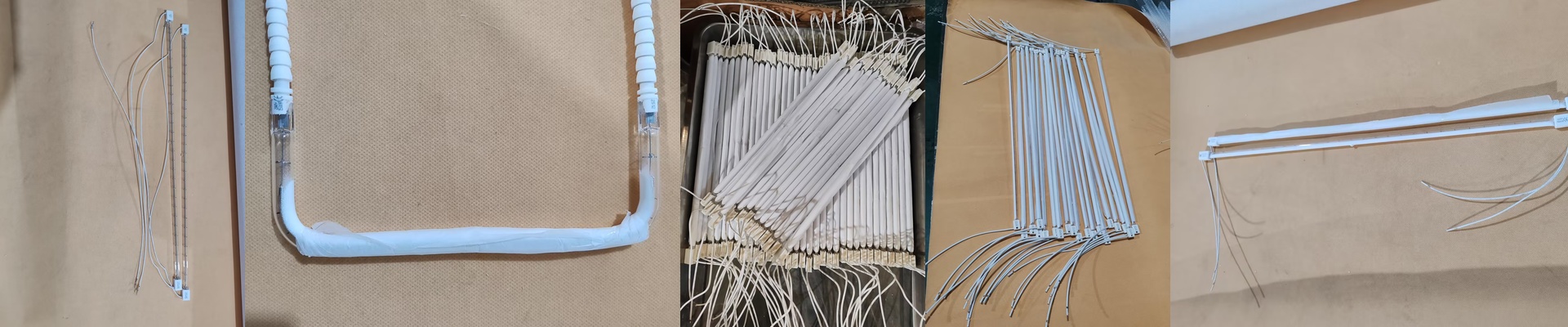
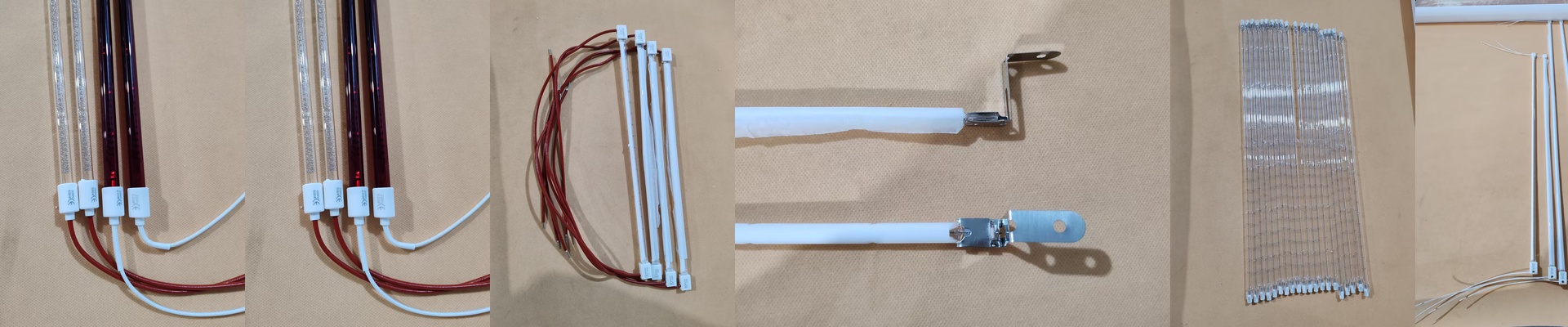
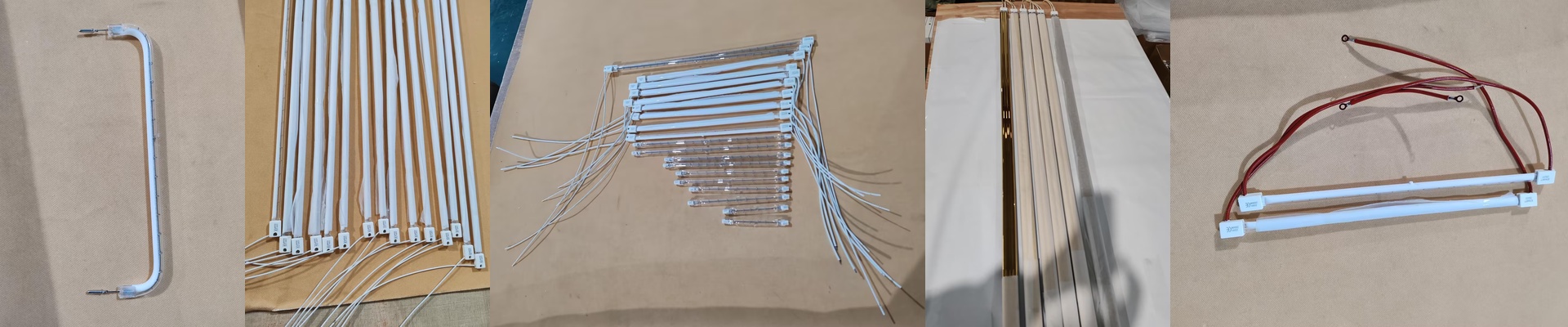
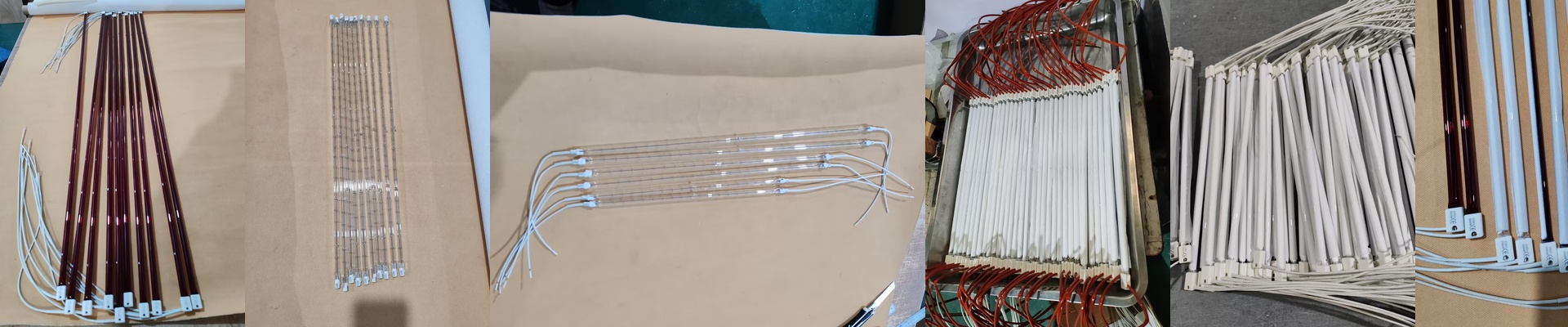
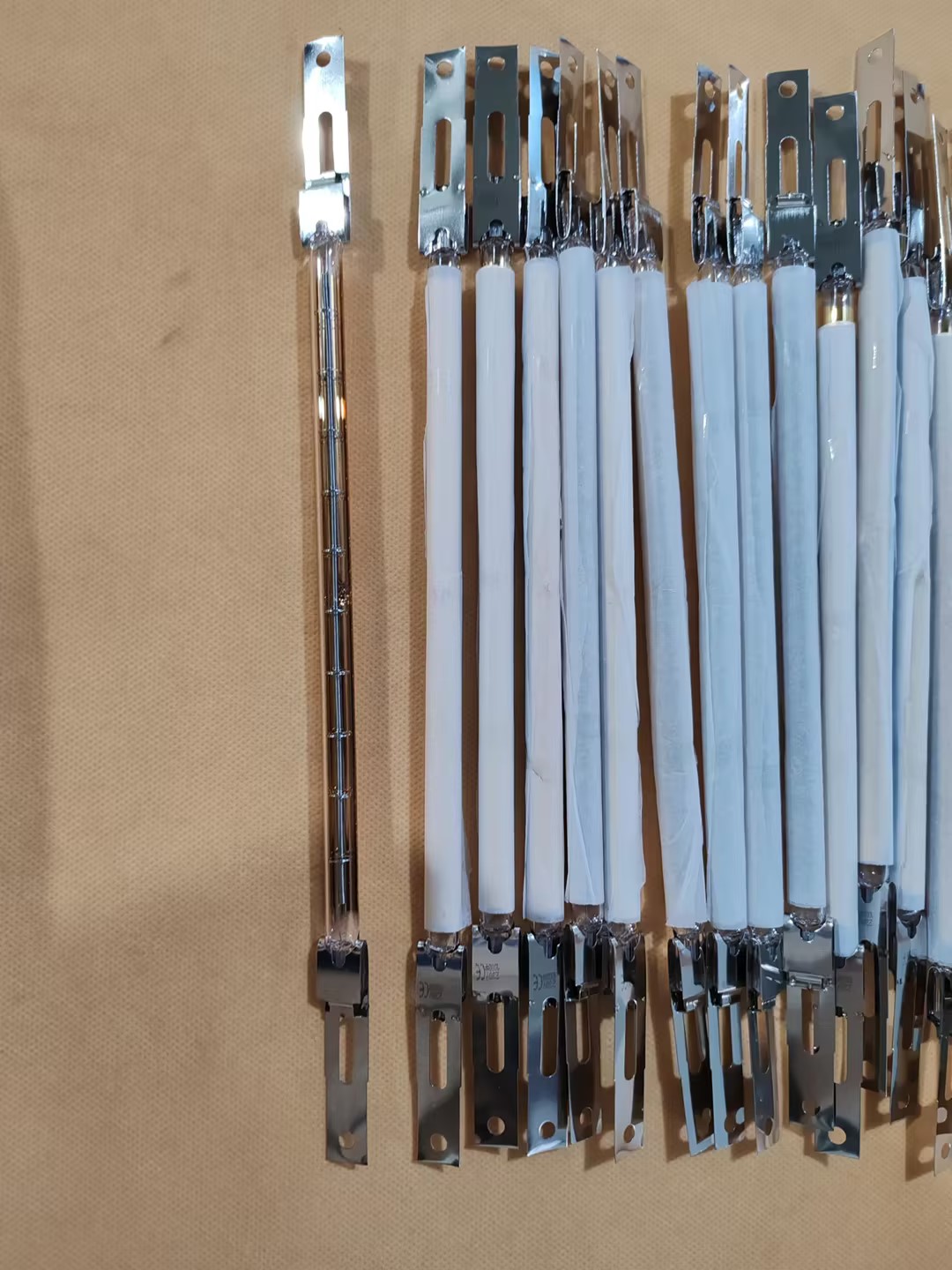
When you’re hunting for a replacement infrared halogen lamp, it’s easy to think you’re just buying a lightbulb. But you’re actually managing a lot of heat and electricity. Inside that quartz tube, there’s a tungsten filament and some halogen gas. The gas keeps the filament from evaporating too quickly, which lets the lamp run hot enough to pump out that shortwave infrared energy you need. The numbers that actually matter Wattage and voltage aren’t just specs on a page—they dictate how much heat you’re actually hitting your product with. If you’ve got a high-voltage tube (like 230V or 400V), you can have a longer filament without pulling a massive amount of current. But here’s the thing: if you’re swapping out a 300mm tube, your power supply has to match the wattage exactly. Get it wrong, and you’re looking at blown fuses or, worse, melted wiring. On the flip side, if you go too low, your process temperature dips and your cycle times start dragging. Nobody wants that. Quartz and the “Danger Zones” We use high-purity quartz because it doesn’t freak out when the temperature swings wildly. Some of these lamps even have special coatings to tweak the heat spectrum or keep grime off the glass. But keep an eye on the connectors—the R7s or Sk15 bits. This is usually where things go sideways. A loose fit creates resistance, which leads to arcing and those nasty charred sockets. My advice? Stick with a drop-in replacement that matches your current footprint. It saves you from the nightmare of having to rewire the entire heating bank. Real-world tips These things are absolute workhorses for PET blowing and industrial curing. The “instant-on” heat is great because you aren’t standing around waiting for the machine to warm up. Just be careful. High-wattage lamps create intense, localized heat. If your cooling fans are clogged with dust or just too weak, that ambient heat builds up and kills the lamp early. And one last thing:don’t touch the quartz. Fingerprints leave behind oils. Those oils create hot spots, and hot spots make the tube crack. Keep them clean, and they’ll last a lot longer.