How to stop overpaying for your heating lamps
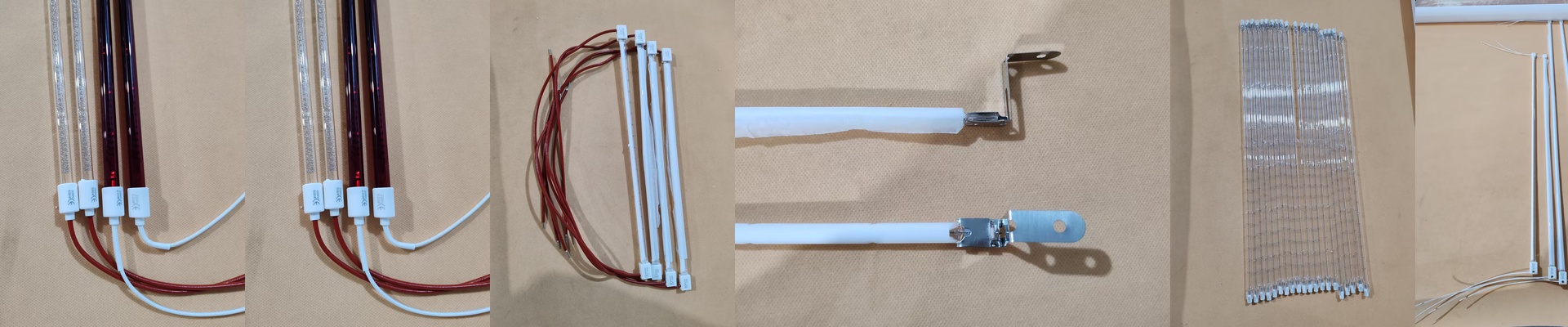
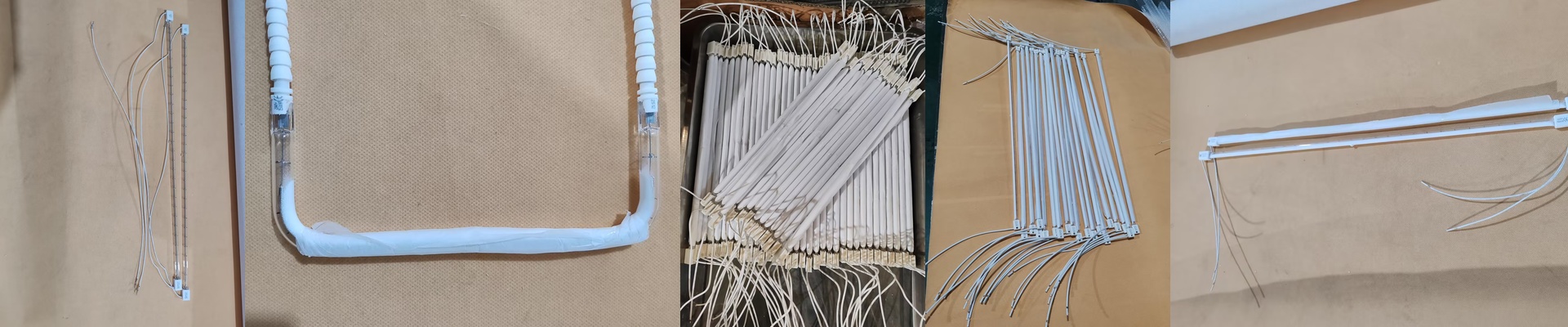
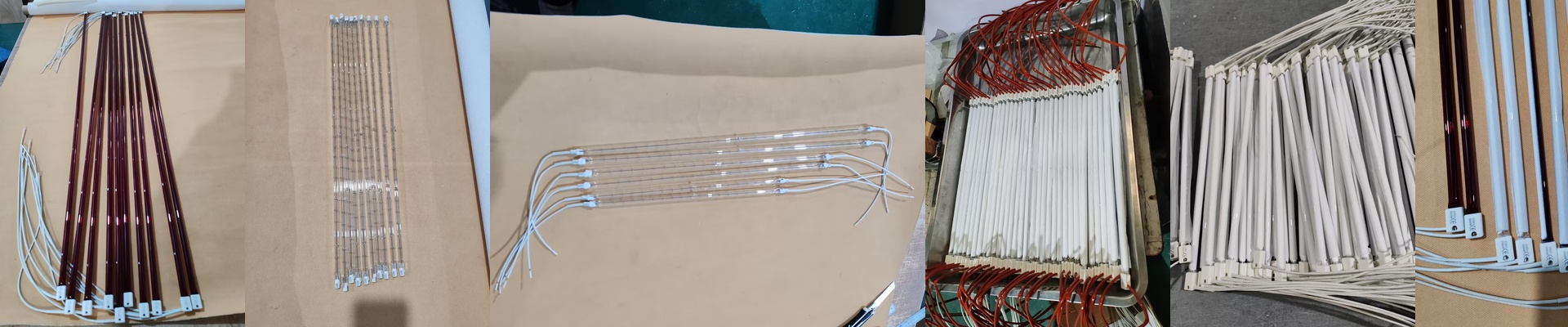
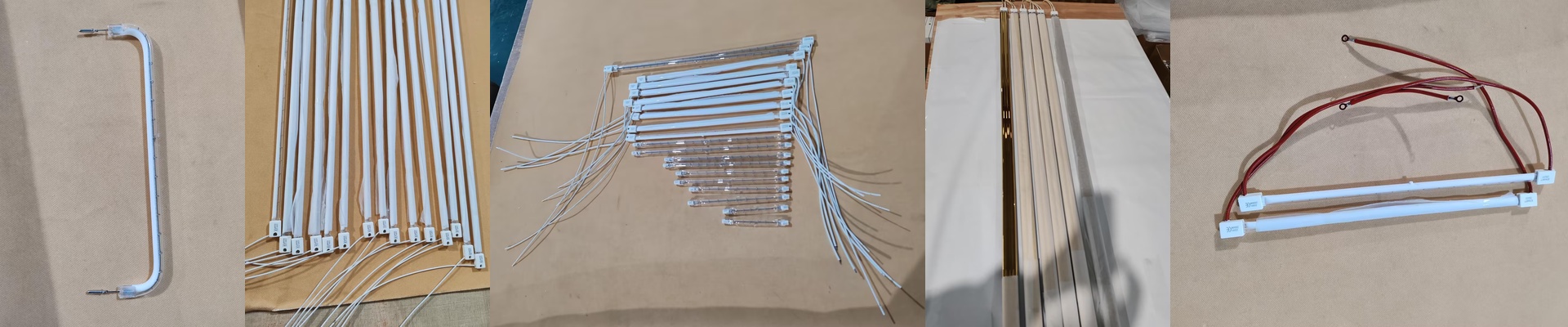
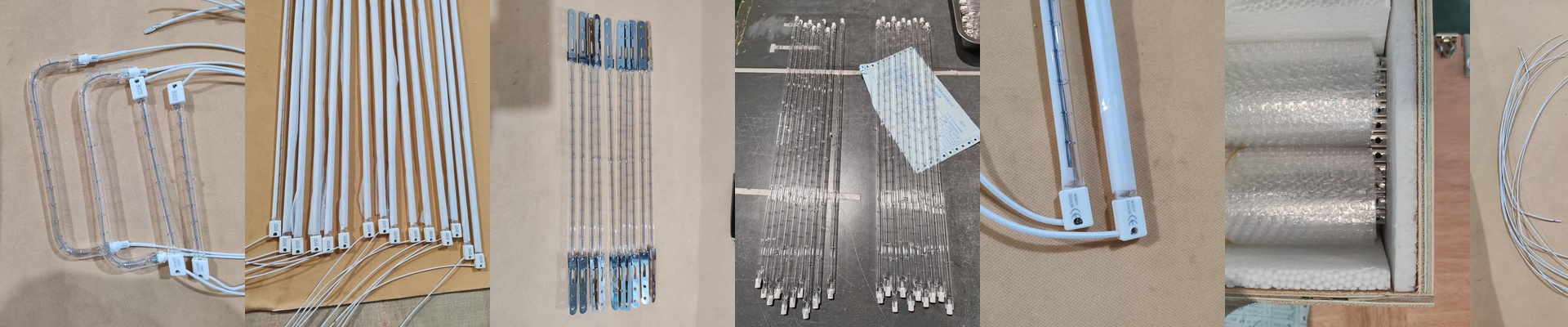
A big plastic processing plant came to us recently with a common headache. They were using these high-end European heating elements that worked great, but the maintenance bills were absolutely killing them. They wanted a way to stop the bleeding on their budget without slowing down their PET blowing lines. The solution? Switching to high-spec Chinese quartz lamps. Getting the heat right Here’s the thing about plastic heating: it’s brutal. When you’re running 230V or 400V high-wattage tubes, you’re cramming a massive amount of energy into a tiny space. You need that heat to hit hard and fast so the PET preforms reach the right temperature. If the wattage is too low, your cycle time just crawls, and you’re losing money every minute. We spend a lot of time balancing the length and voltage. Why? Because nobody wants “hot spots.” If the heat isn’t even, you end up degrading the material, and that’s a nightmare you don’t want. The science (the simple version) We use high-purity quartz glass because it can handle the shock of being flipped on and off all day. Then we add a halogen gas fill. Think of this as a safety net for the filament. It catches the evaporating tungsten and puts it back onto the wire, which keeps the filament from thinning out and snapping. It just lasts longer. As for the setup, we use R7s or Sk15 bases. They’re basically plug-and-play. You don’t have to touch your wiring or mess around with the panels. You just swap them in and you’re back in business. The one catch Now, there is a trade-off. These high-output lamps put out intense shortwave radiation. It’s great for speed, but it’s tough on your reflectors. If your mirrors are pitted or oxidized, you’re basically throwing 30% of your heat into the air. Keep your reflectors clean. It’s a small chore, but it makes a huge difference. By moving to these high-spec lamps, plants can keep their production speeds exactly where they are while slashing the cost of every single replacement. It turns a constant financial drain into something you can actually manage.