Introduction
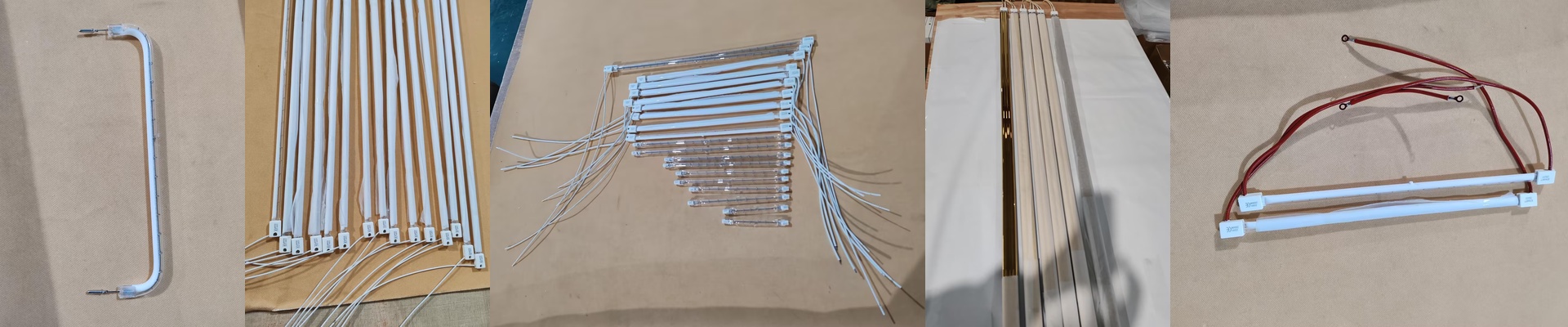
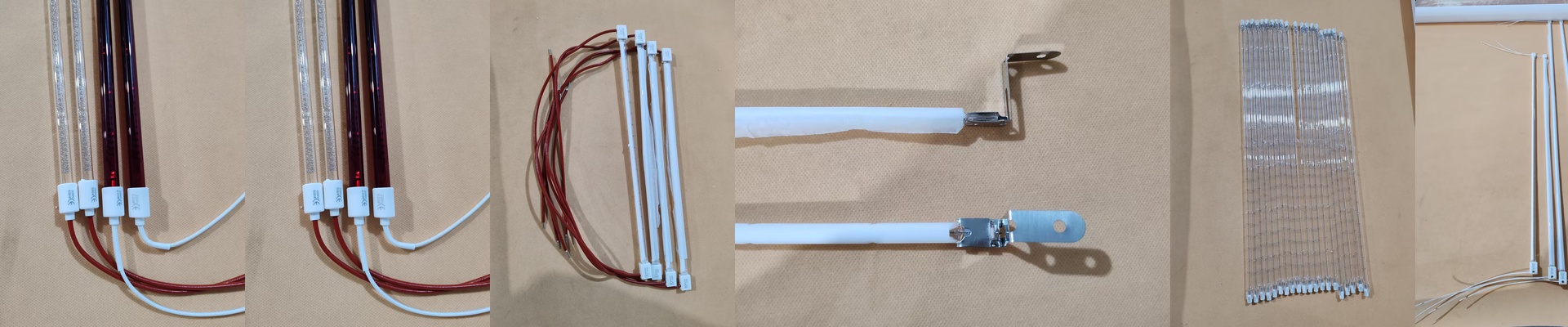
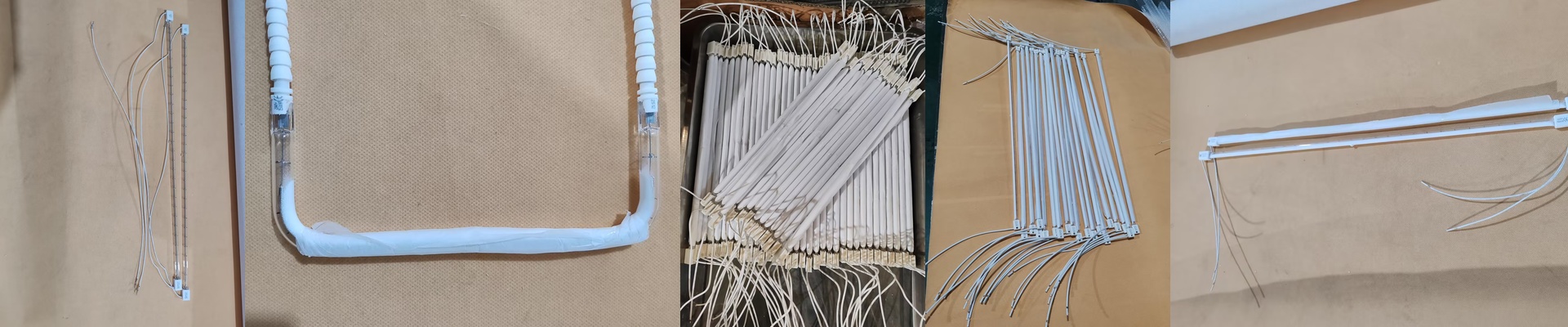
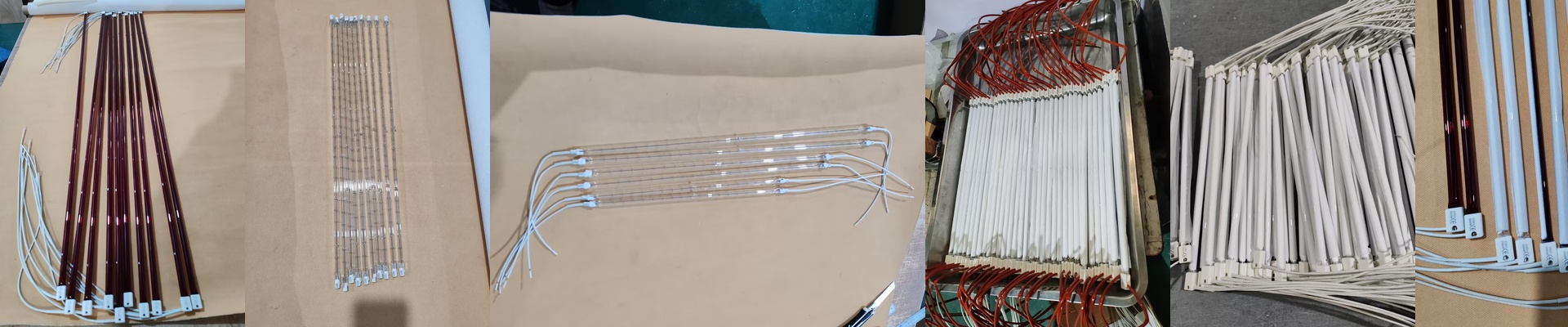
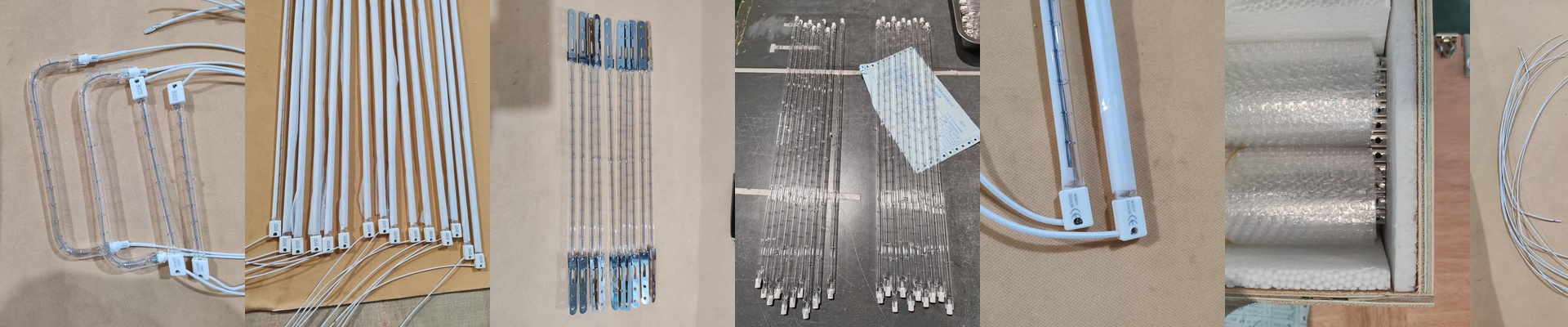
We built this 500W halogen heat lamp for engineers who need serious heat in a tight space. This isn’t your average bulb. It’s a focused thermal tool—made for jobs where you can’t compromise on speed, stability, and space.
The Power, Voltage, and Size—Plain and Simple
At the heart of it is 500 watts. That gives you a lot of heat packed into a small footprint, so you can concentrate the energy exactly where you need it—even when bigger heaters just won’t fit. It runs on standard industrial voltages, usually 230V/240V or 120V, depending on the version. So it drops right into most existing setups without forcing you to rework the electrical plan. The tube length is designed to match the space you’re heating. It’s compact, which cuts down on wasted heat and makes mounting easier. But—here’s the catch—compact also means it runs hot. So you’ll want to plan for clearance and airflow around it.
What’s Inside: Halogen, Quartz, Coating, and the Right Base
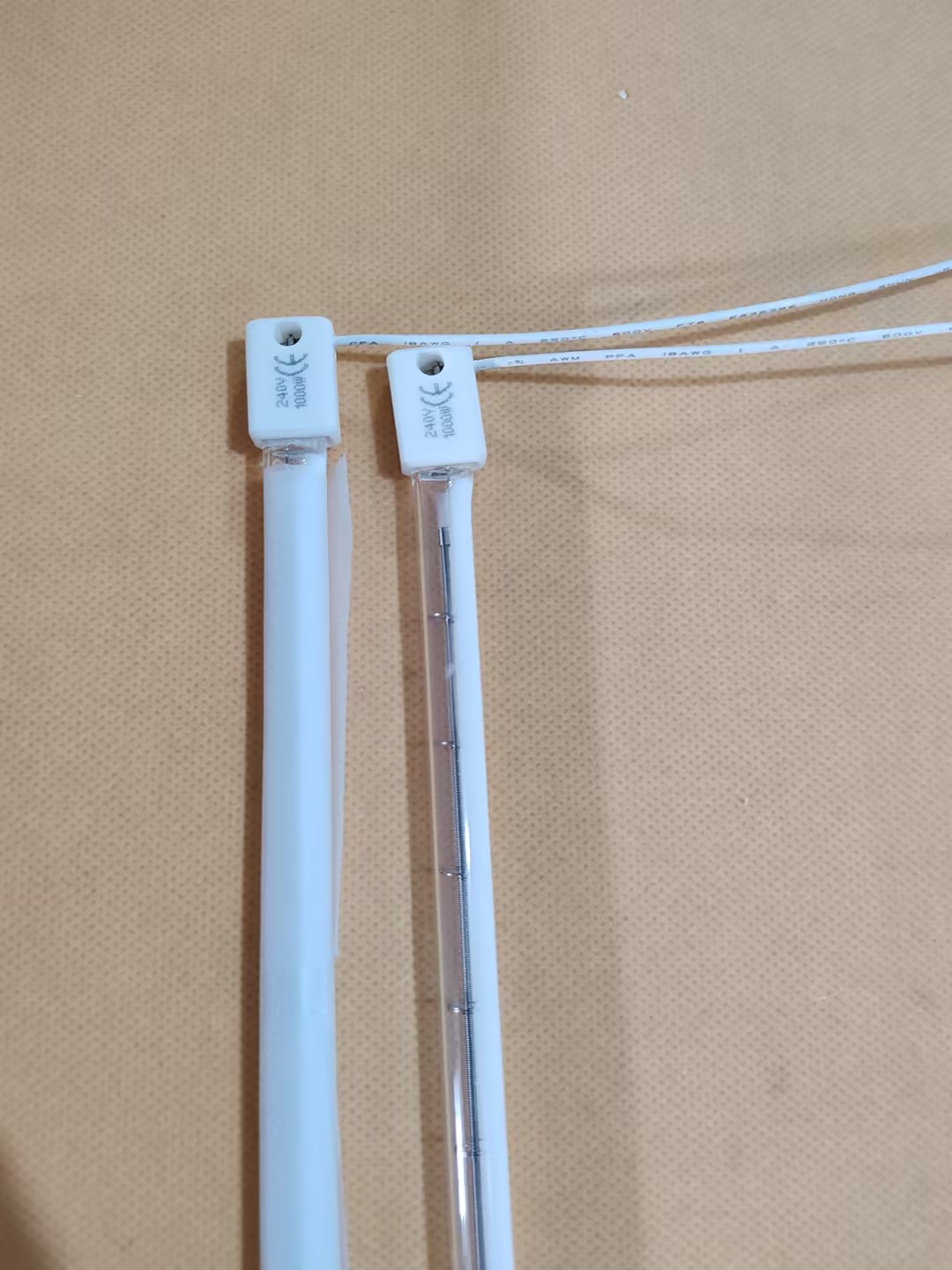
Inside, you’ve got a halogen capsule that keeps the filament temperature steady, so the heat output stays consistent over time. No surprises, just reliable performance. The envelope is quartz, not regular glass. Quartz handles the shock of heating up fast, and it holds up under serious heat without breaking down. There’s also a reflective coating on the quartz that pushes infrared energy forward. That means more of the heat goes where you want it, and less stray heat hits nearby parts. And we went with an R7s base because it’s a trusted industrial connector for linear halogen lamps. It handles the current, makes swapping the lamp quick, and sits securely in fixtures built for it.
Where It Shines—And What to Expect
Use this lamp when you need heat fast and temperature control you can count on—things like curing adhesives, drying coatings, softening plastic, or preheating components. Basically, any line-of-sight heating task. The 500W output is strong, but that intensity comes with a trade-off: it runs hot. Your fixture needs proper airflow and some thermal shielding to keep everything safe. Put it all together—halogen chemistry, quartz build, reflective coating, and the R7s base—and you get a tough, serviceable heating element that can drop right into compatible systems as a direct replacement.
A Quick Reality Check
High heat density means faster heating, sure. But it also means more heat load on the surrounding equipment. So plan your cooling and clearances first. Then wire it up.