Picking the Right Heat Lamp: Quartz Halogen vs. Carbon Fiber
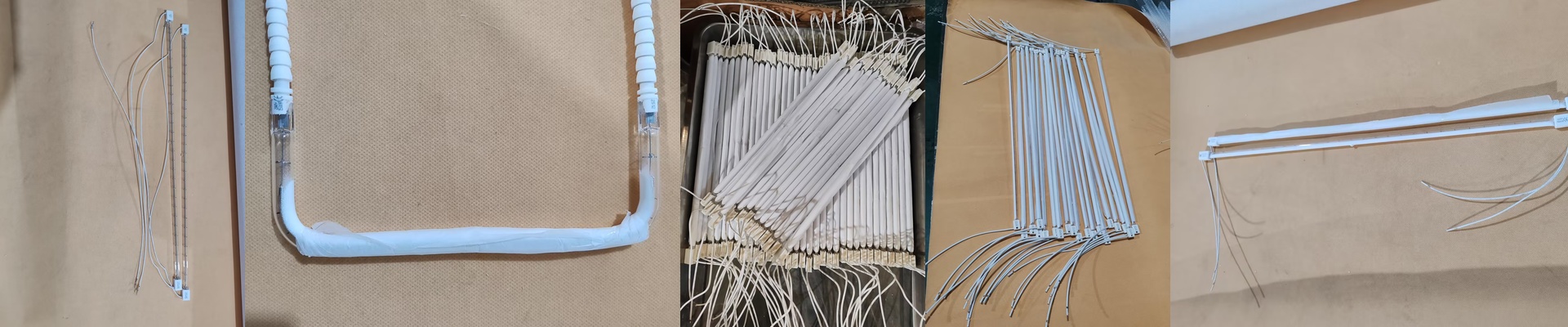
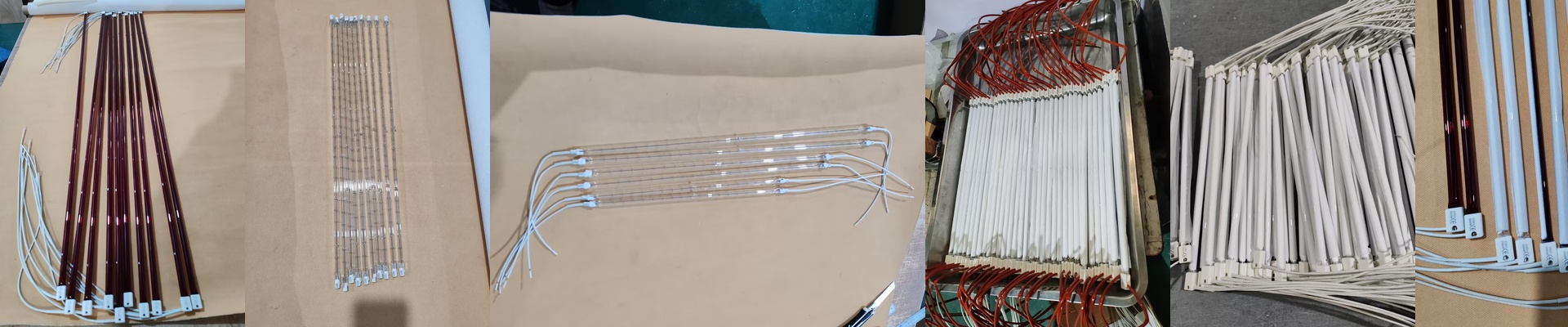
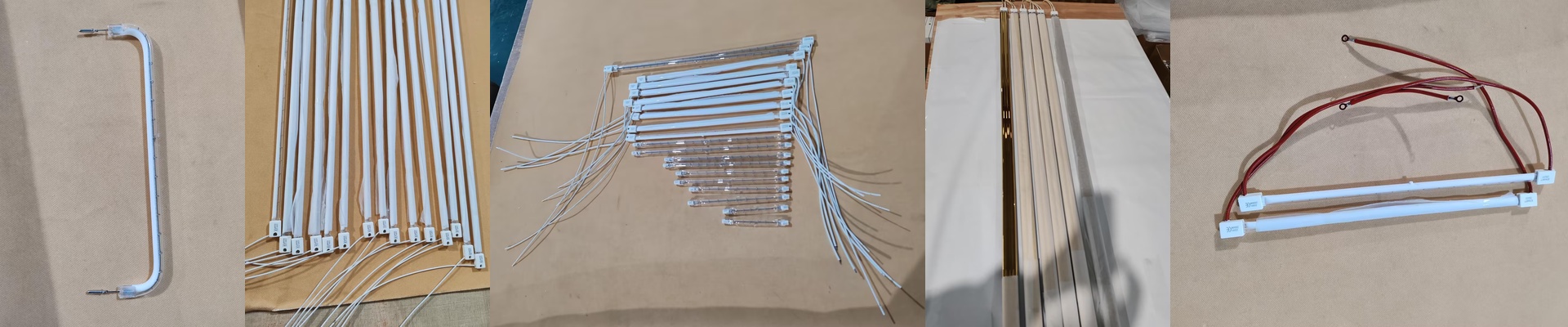
We build these lamps for the tough jobs—the kind of thermal loads that make standard heaters just give up. But here’s the thing: you can’t just grab any lamp. Depending on how hot you need to get and how fast you need to get there, you’re looking at either a halogen-filled quartz tube or a carbon fiber element.
Which one actually works for you?
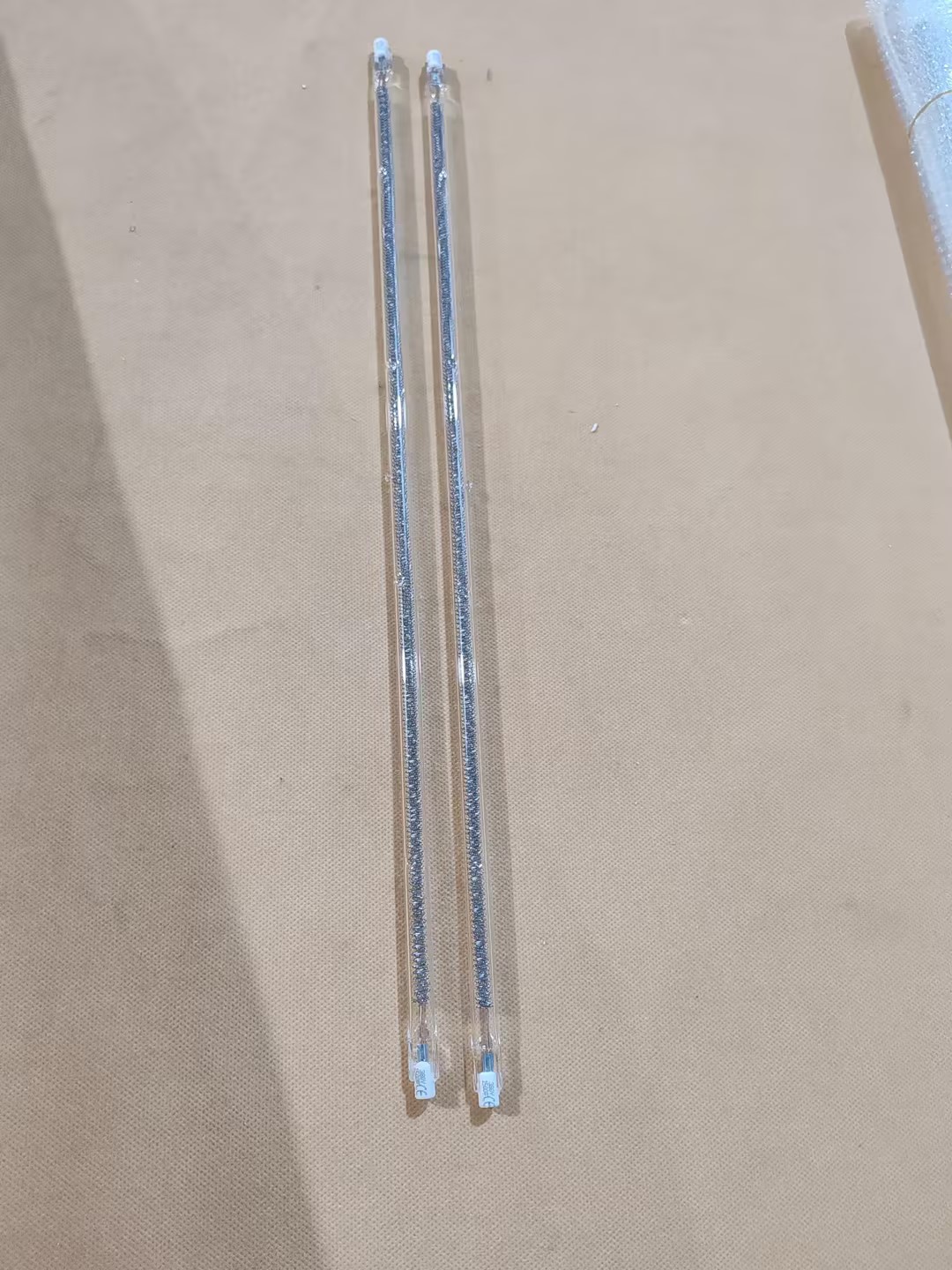
Let’s talk quartz halogen first. These use a tungsten filament inside a halogen gas environment. The magic here is that the gas keeps the tube from darkening, even when things get incredibly hot. It’s fast. Really fast. You get a concentrated blast of shortwave heat that hits your target almost the second you flip the switch. Carbon fiber is a different beast entirely. Instead of that intense “hit,” these use a carbon-based element that puts out a broader, longer wave. If you’ve ever been in a high-end sauna, you’ve felt this. It’s a gentler, penetrating warmth that doesn’t feel like it’s scorching your skin the moment you get close.
Getting the specs right
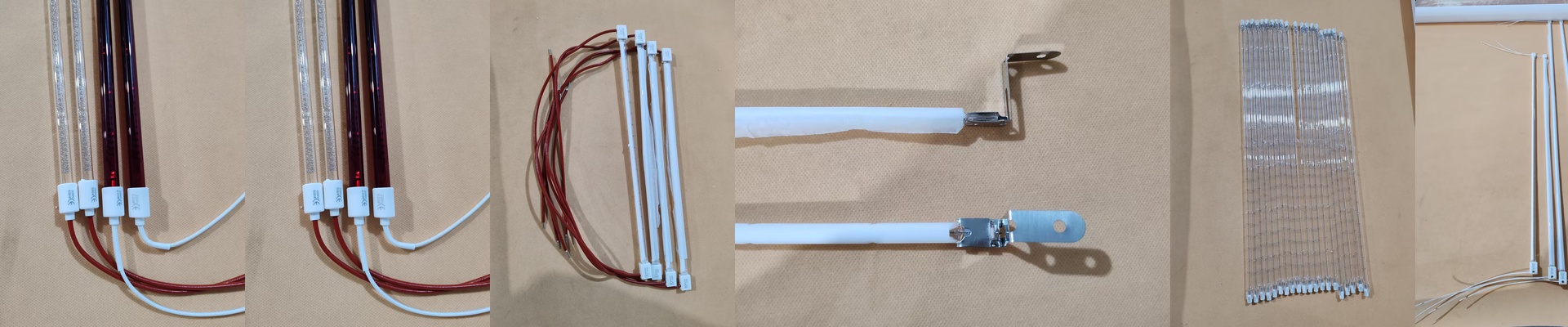
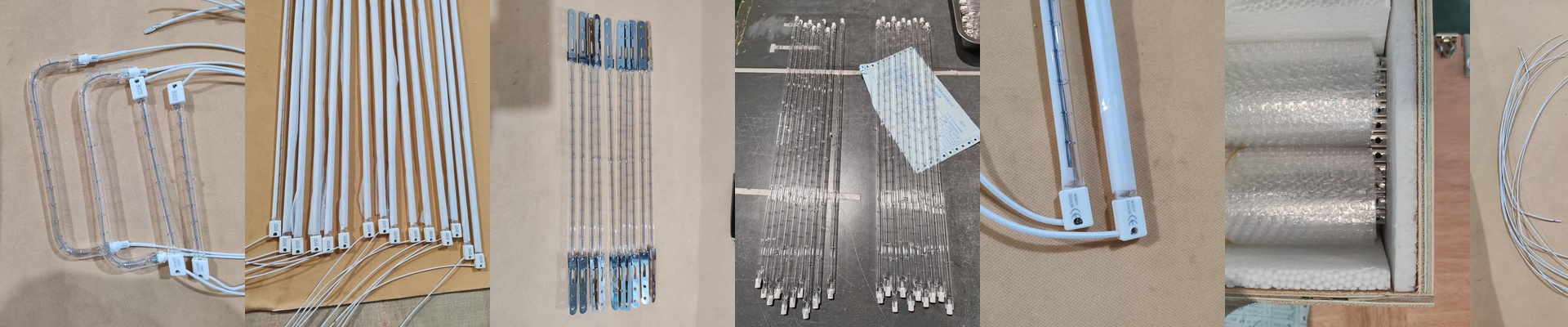
You don’t have to settle for “off the shelf.” We can tweak the length, wattage, and voltage to fit exactly where your lamp needs to sit. And if you’re plugging these into a heavy-duty industrial grid, let us know. We can adjust the filament density so you don’t end up with tubes burning out way too early. One quick tip: watch your connection points. That’s where most people run into trouble. Whether you’re using R7s or SK15 bases, it has to be a tight fit. A loose connection creates a hotspot, and before you know it, you’re looking at a melted housing. Not a great day for anyone.
Real-world use and the “catch”
These are great drop-in replacements for things like PET blowing, curing, or drying lines. But there is a catch with the quartz halogen lamps. Because they’re so intense, your reflectors have to be spotless. Just a thin layer of dust on the mirror can kill your efficiency by 20% and make the tube overheat. It’s a pain, but it’s necessary. But hey, if you aren’t looking for a precision strike and just need a wide-area “soak” of heat, just go with the carbon fiber. It’s much more forgiving.