Stop Wasting Heat on Your Plastic Processing
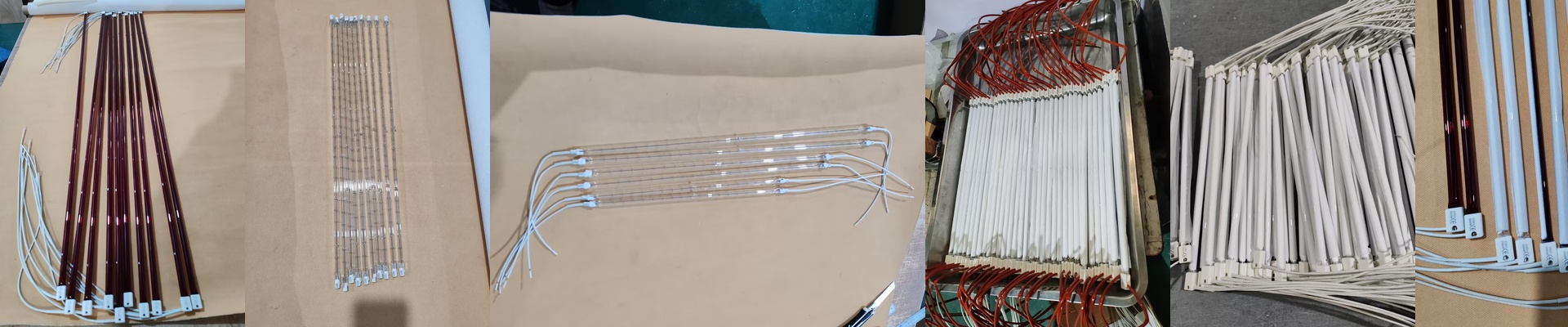
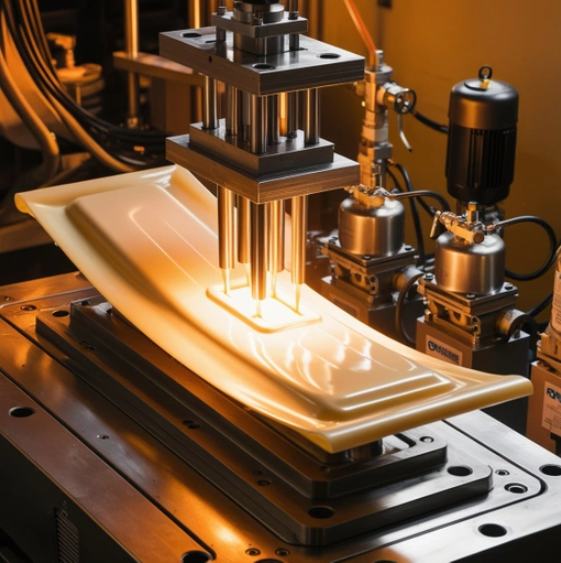
Let’s be honest: energy bills are a nightmare in plastic extrusion and PET blowing. Most shops are just accepting it as a cost of doing business. But if you’re using cheap, low-grade heating elements, you’re basically paying to heat the air in your factory instead of your material. That’s where we come in. We build custom infrared (IR) systems that stop the bleed. Instead of heating everything in the room, we aim the energy straight at the plastic. It’s cleaner. It’s faster. And it means your cooling systems don’t have to work overtime just to keep the shop from overheating.
Getting the Heat Right
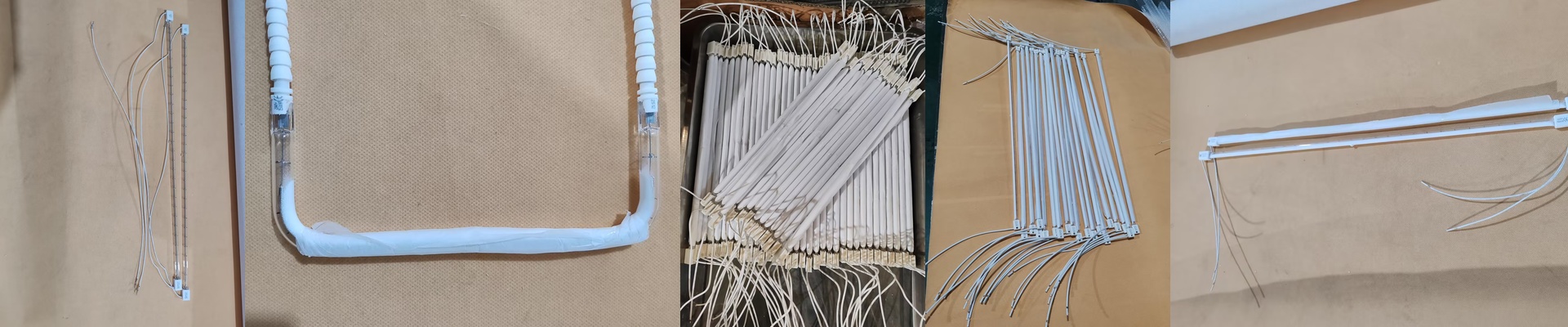
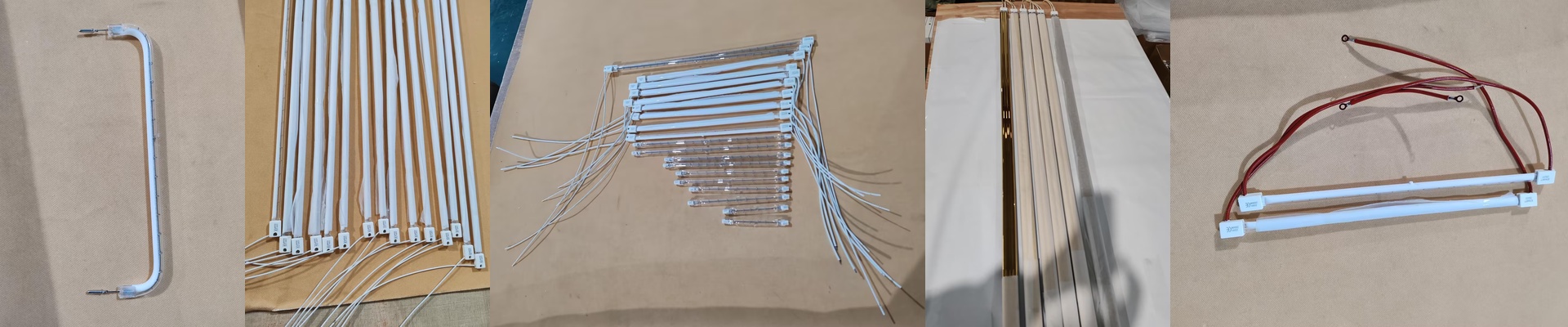
Most of the lamps you see out there just don’t cut it. They’re generic. We do things differently. We look at your specific polymer and figure out exactly how many watts per centimeter you actually need. When you use high-wattage tubes, you get a concentrated punch of heat. Your material hits that melt temperature way faster, which means your cycle times drop. But here’s the catch. Pushing that much heat puts a lot of stress on the quartz. If you’re cranking the voltage to save a few seconds, you’ve got to keep a close eye on your power stability. One bad spike in the line can fry a high-wattage tube in a couple of hours if your controllers aren’t dialed in perfectly.
The Nitty-Gritty Stuff
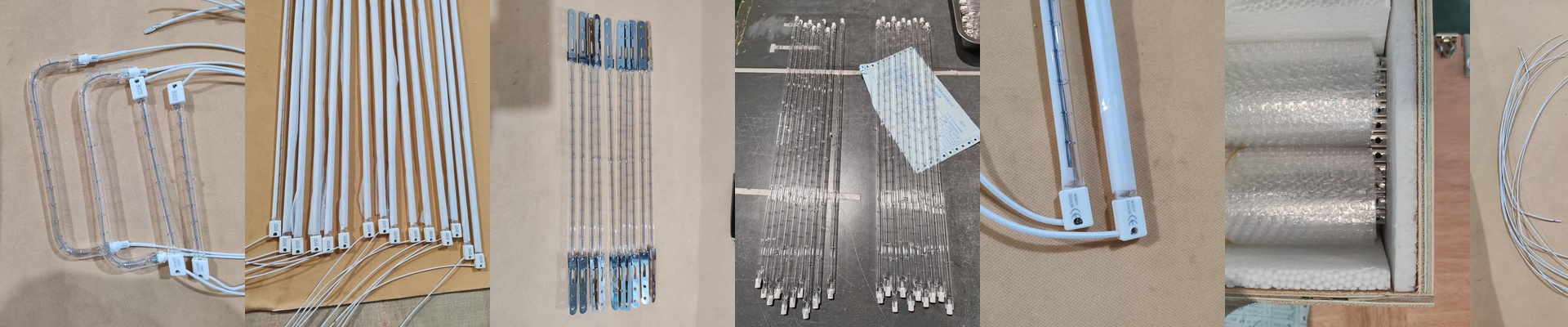
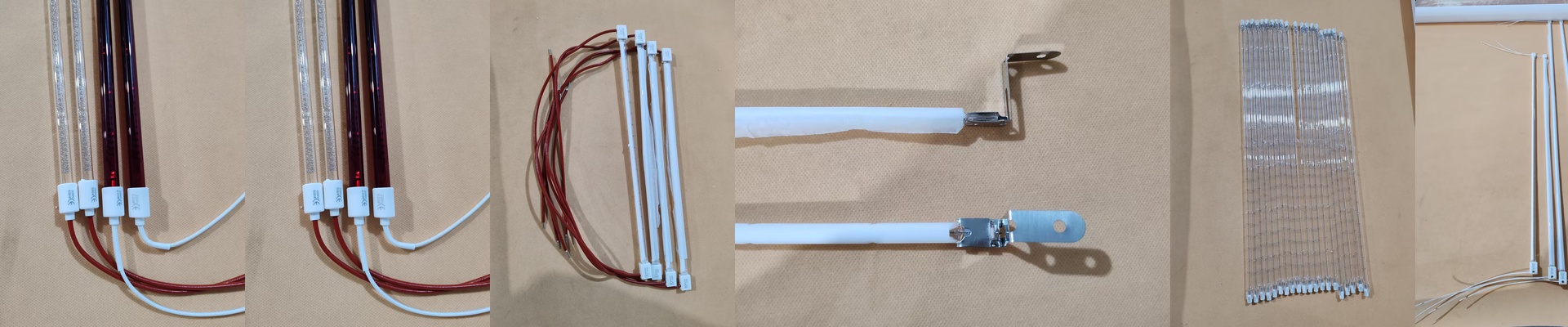
We use halogen-filled quartz because it ramps up almost instantly. No waiting around. We also coat the tubes to tune the wavelength. Why? Because it lets the heat soak deep into the core of the plastic without scorching the surface. You get a consistent melt without the burnt edges. As for the setup, we don’t do anything fancy or proprietary. We use R7s or Sk15 connectors. They’re industry standards, so they usually drop right into your existing OEM gear. They handle the current without getting hot at the contact point, and they’re built to survive the constant vibration of a busy floor.
Protecting Your Bottom Line
At the end of the day, this isn’t about buying “premium” gear just for the sake of it. It’s about how much energy you’re actually converting into product. When electricity prices jump, the only way to keep your margins from shrinking is to lower the kWh you spend per kilo of plastic. You might spend a bit more on the hardware today, but it beats watching your profits vanish through the ventilation hoods every single month.