The Goldisgood Performance—Without the Price Tag
We build industrial infrared heating lamps for engineers who want real performance, not hype. When someone comes to us asking for the “Goldisgood” benchmark, they’re after a very specific output and rock-solid reliability. Our job? Match that performance with a spec sheet you can actually trust—and a lamp that drops right in, no hassle.
Power, Voltage, and Fit: Built for the Real World
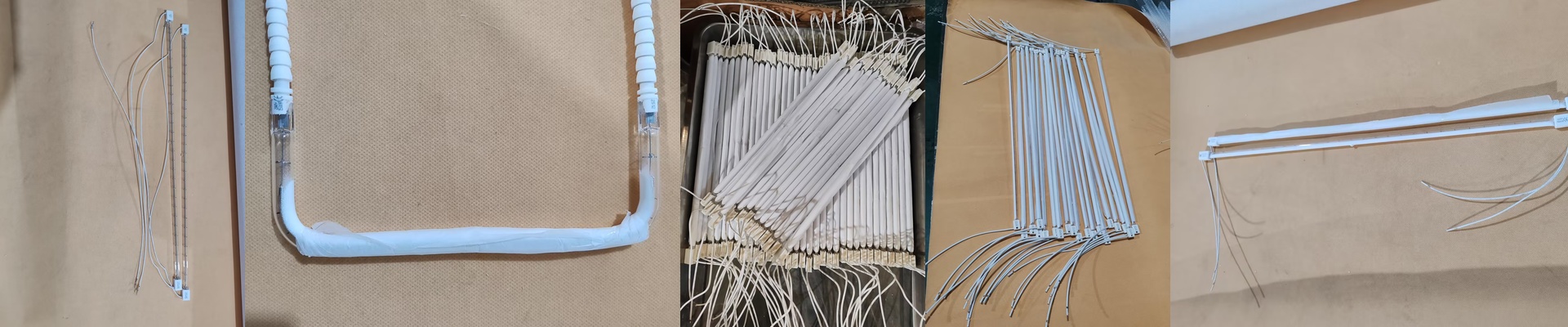
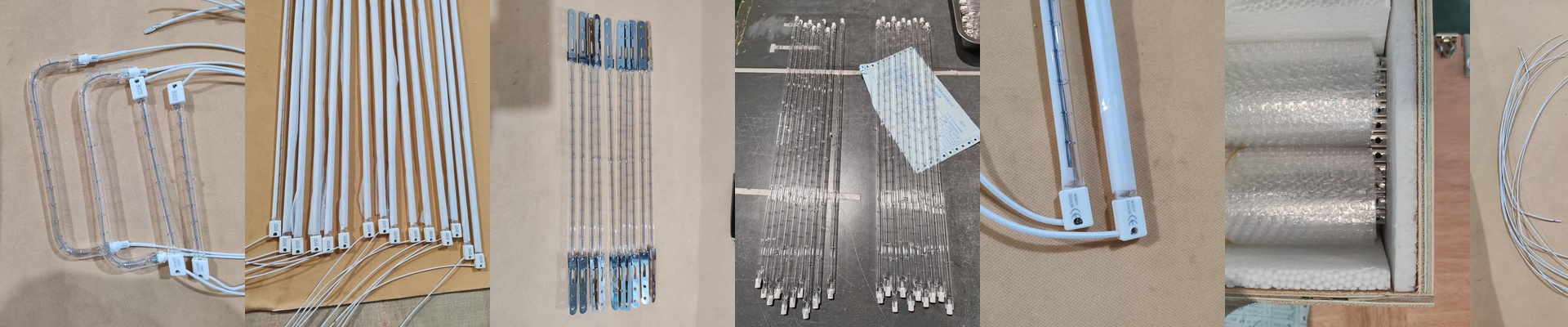
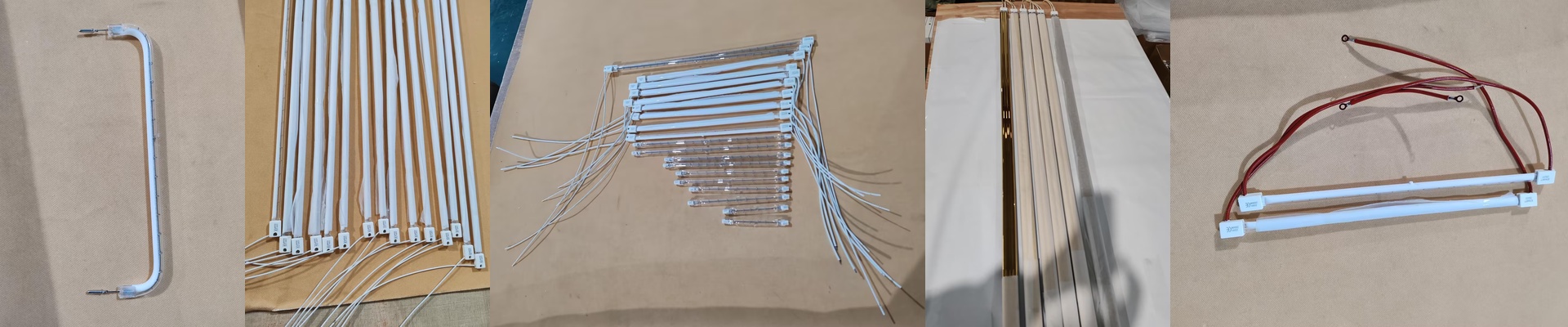
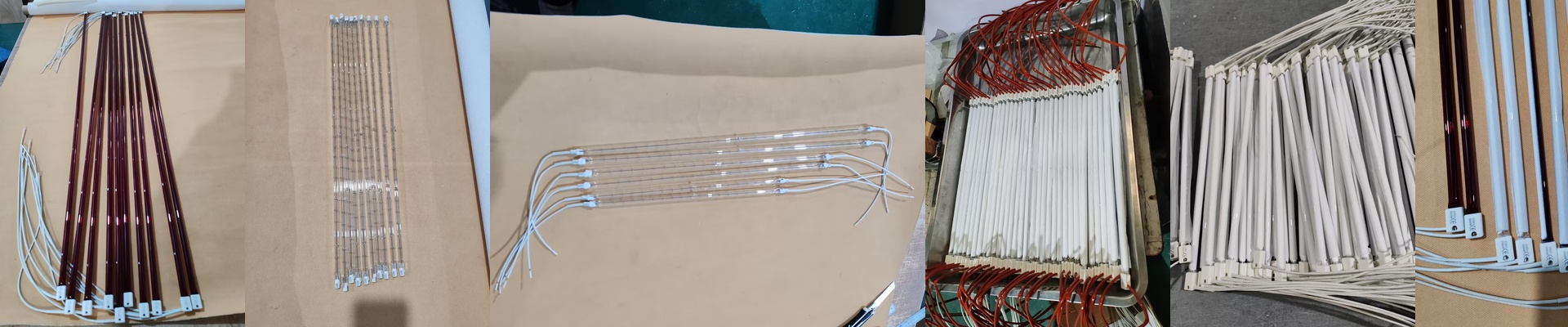
We engineer our halogen lamps around one clear operating point: 400V in, 2500W out. This isn’t random. It gives you serious power in a compact 300mm tube. Here’s why it works: higher voltage means a thinner filament that heats up faster. That translates into quicker warm-ups and tighter control over the temperature. And that 300mm size? It’s made for tight spots. It slips into existing fixtures where longer tubes just won’t fit. Just keep in mind—this is a high-output unit. Your electrical setup needs to be ready for 400V, and your control system and cooling need to match the power.
What It’s Made Of—And Why It Matters
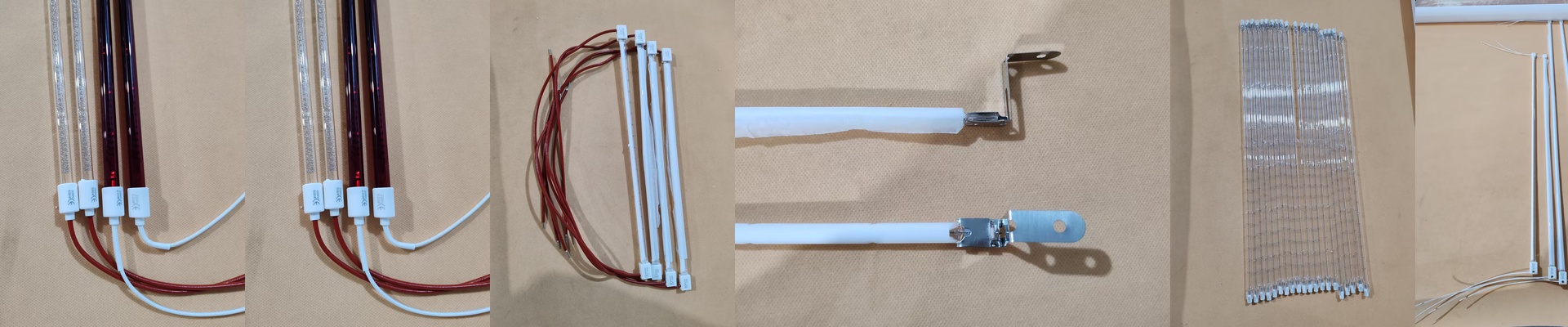
The tube is heavy-duty quartz, built to handle rapid heating and cooling without cracking. Inside, the halogen cycle keeps the filament clean, so the output stays steady over the life of the lamp. We also add a specialized coating to shape the infrared spectrum. It pushes the heat where you need it and wastes less energy. Installation stays simple because we use proven, industry-standard connectors—R7s bi-pin ends and SK15 terminals. They handle the current, lock in tight, and keep arcing out of the picture. Wire it once, and it stays put.
On the Line: Heat That Works as Hard as You Do
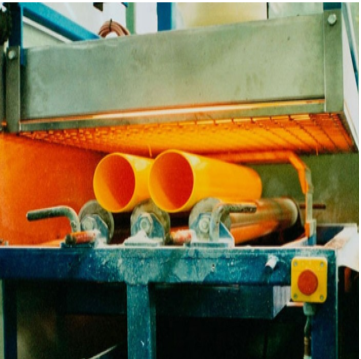
Take PET blowing. The lamp has to deliver focused, consistent heat in the exact spot it’s needed. Our 2500W, 300mm setup packs the heat density required to melt and form material fast. Fast response cuts cycle time. Stable output means fewer rejects. We set out to match the performance of the top imports, but built it to our own standards. There’s a trade-off, though—this much heat in a small package needs proper cooling. Get your setup right, and you end up with a reliable, cost-effective upgrade that just gets the job done—day after day.