Blow Molding Infrared Lamps: The Heat Source That Keeps Car Interiors Looking New
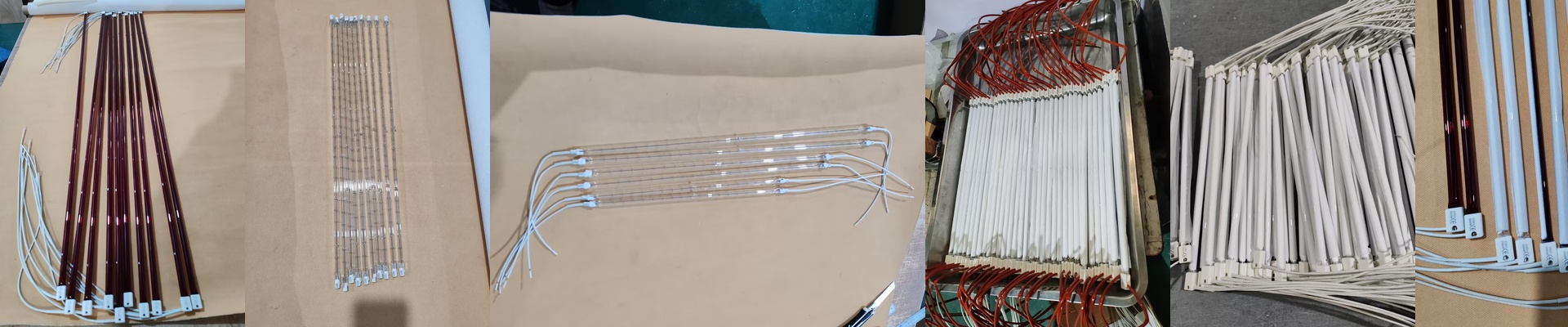
We built these blow molding infrared lamps for the folks on the automotive interior line. You know the work—dashboard trim, door panels—stuff that has to survive the factory floor and years of baking in the sun. The whole point of this lamp is simple: it hits injection-molded parts with fast, controlled infrared heat, so we can wipe out internal stress before the part even leaves the line.
Power, Voltage, and Size: Heat Where You Need It
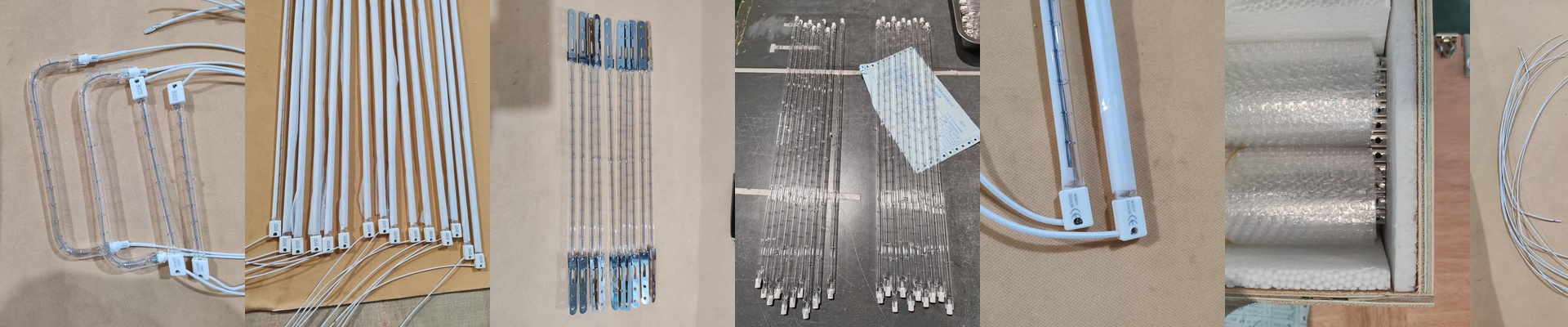
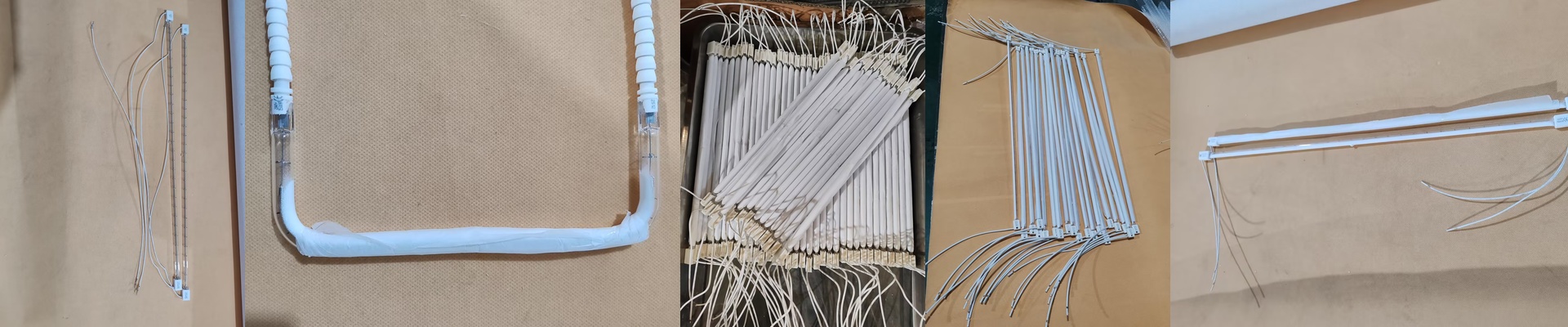
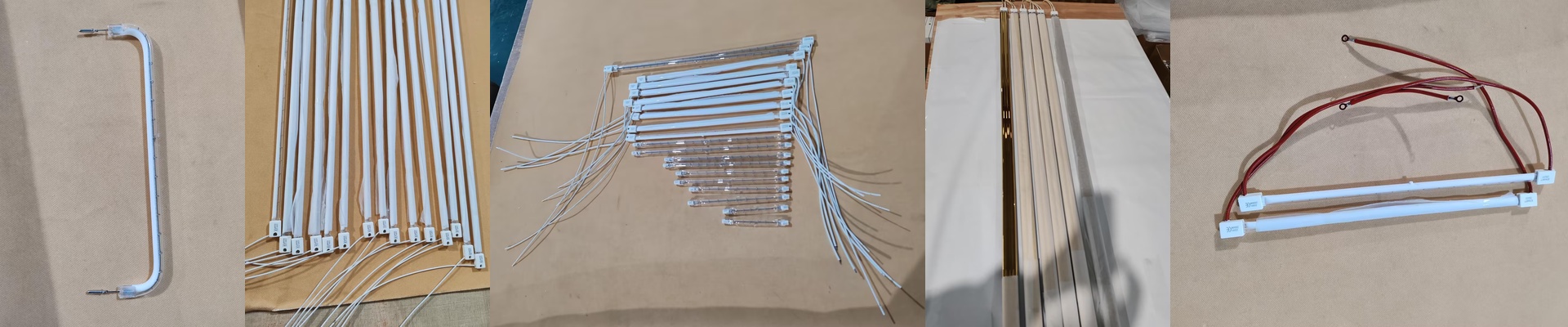
On a blow molding or injection molding line, you don’t want heat bleeding all over the place. You want it right where the part is. So we run this off a 400V supply, which lets us pack serious power into a small space. That gives us a 2500W output through a 300mm quartz tube. That kind of wattage density means the heat ramps up fast. The heating zone hits its target quickly, without turning the whole machine into a sauna. And the 300mm length? It’s just practical. It lines up with the heating windows for most automotive trim profiles, so you get even coverage without having to rework the station.
Inside the Tube: Halogen, Coating, and a Smart Connection
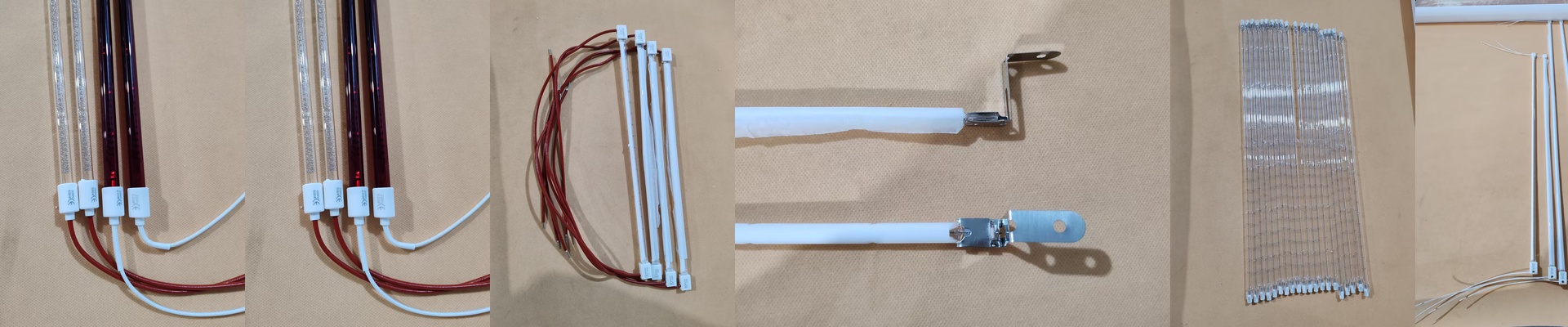
Inside the tube, the halogen element throws shortwave infrared energy. It doesn’t just warm the surface—it heats the polymer from the inside out. That means the surface spends less time at temperatures that can degrade it. We chose a quartz envelope because it handles thermal shock like a champ. And the reflective coating? It pushes more energy forward, so less heat goes to waste. That makes the process more consistent, cycle after cycle. Then there’s the R7s connector. It’s a solid industrial choice that carries the current safely and seats cleanly. When a tube burns out, you can swap it in and get the line back up without rewiring anything.
What It Does for Automotive Quality
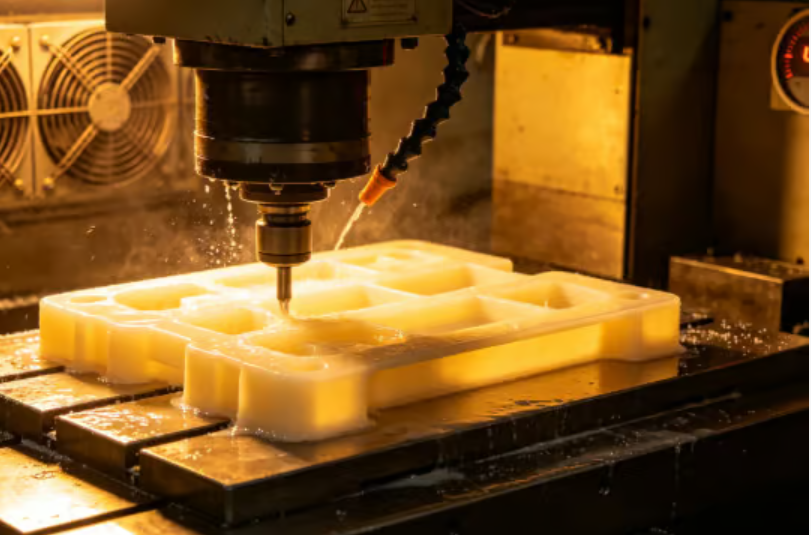
Automotive interiors have to meet tough standards for stability, finish, and long-term durability. Infrared annealing with this lamp profile cuts the internal stress that leads to warping, sink marks, and cracking down the road. You end up with a repeatable process that hits quality checks without blowing up cycle time. One thing to keep in mind: that 2500W density is serious, so you need cooling and airflow that can keep up. Spec your heat extraction properly from the start, and the lamp will hold steady without tripping alarms or wearing out early.