Why Bulk Ceramic Infrared Lamps Are the Real Deal for Plastics Processors
If you run a plastics shop, you know the heating system isn’t just another utility. It’s the heartbeat of the whole operation. And when it comes to bulk ceramic infrared lamps, we’re talking about a solution built for one thing: delivering intense, focused heat exactly where you need it. It’s not just about getting parts hot. It’s about getting them hot fast, with the right kind of energy, and without burning through your electricity budget.
Let’s get into the guts: power, voltage, and size
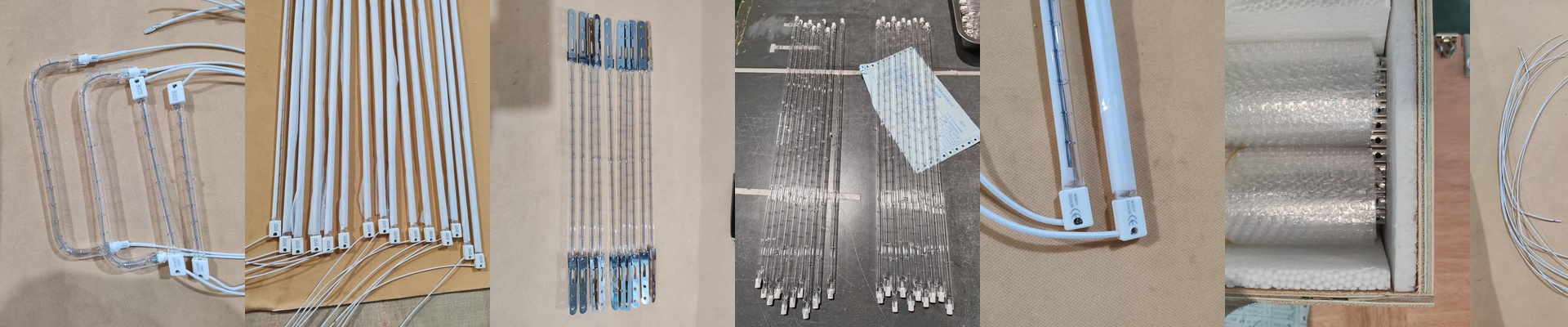
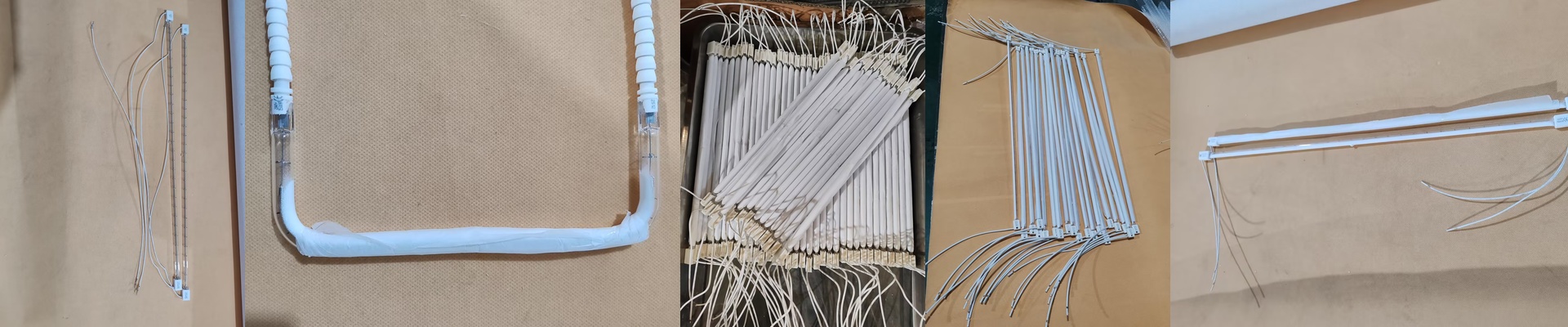
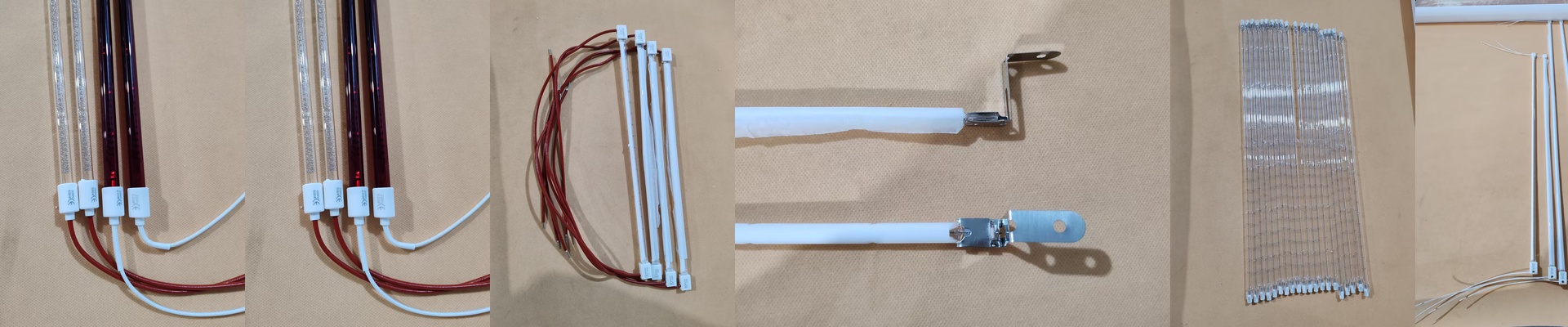
We design these lamps to handle serious heat—think 2500W at 400V. That voltage isn’t random. It lets you push more power over longer runs without needing thicker wires, which keeps line losses down and keeps the control gear compact. And the size? The 300mm tube length fits neatly into standard heater banks and reflectors. That means you get a tight, dense heat point—perfect for melting PET preforms or heating parisons without turning your whole plant into a sauna. But here’s the catch: that 2500W packs a punch. Your cooling and airflow have to be up to the task. If they aren’t, you risk pushing nearby components into thermal stress. So yeah, the machine’s cooling needs to be on point.
What’s inside, and why it matters
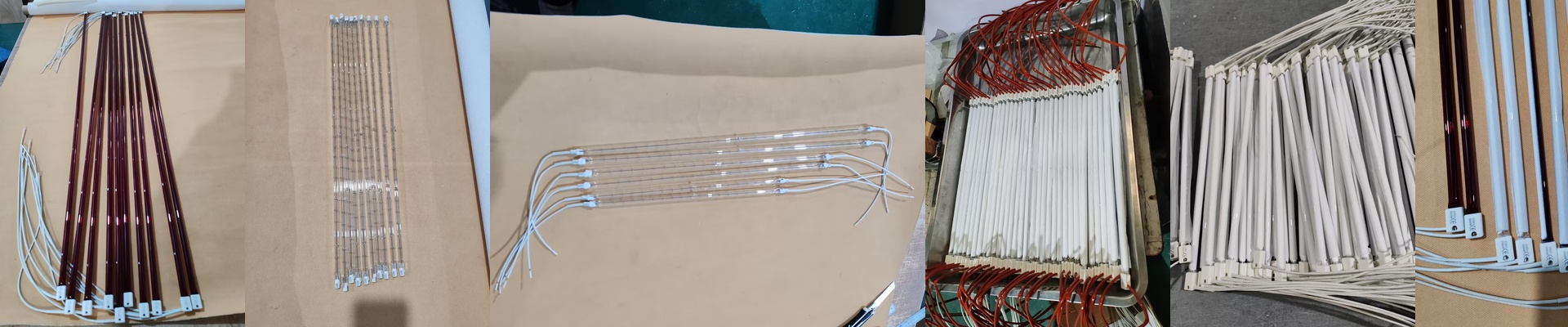
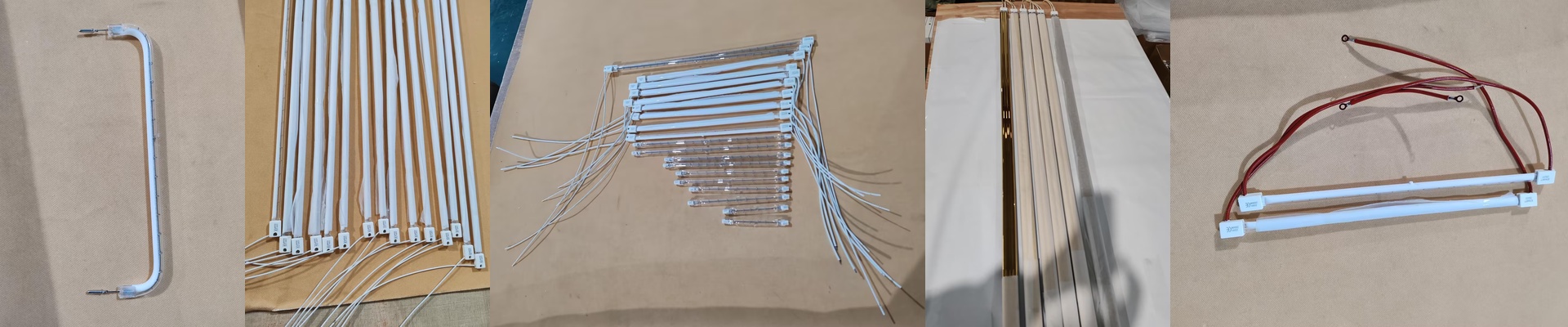
The body is quartz, chosen because it handles rapid heating and cooling without flinching. Inside, the halogen cycle keeps the filament clean, which means longer life and steady output—hour after hour. And that ceramic coating on the outside? It’s not just for looks. It shapes the wavelength and makes the surface tougher, so it doesn’t get thrown off by contamination. Installation is meant to be simple. The R7s bi-pin connector slips right into standard sockets with a solid, aligned fit. That solid contact keeps high-current connections clean, cuts down on hot spots, and keeps maintenance quick and painless on the floor.
Where this shines: control in plastics processing
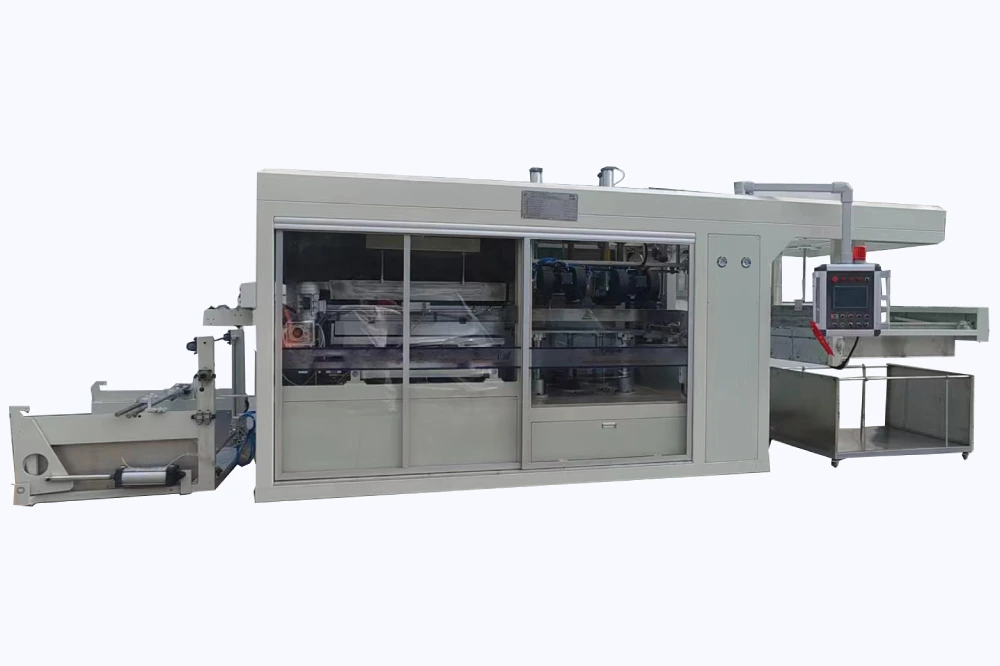
In plastics, your heat profile directly shapes cycle time and scrap. Ceramic infrared lamps hit fast, focused energy that penetrates surfaces quickly. That means shorter preheat and a melt temperature that stays steady. The payoff? Lower kWh per part and throughput that doesn’t yo-yo. For PET blowing and similar work, the concentrated output gives you tighter thermal zoning. You can match the heat to the material flow without scorching the tool. So you waste less energy, switch over faster, and keep a heating system you can maintain with the same basic shop-floor know-how you already use every day.