Introduction
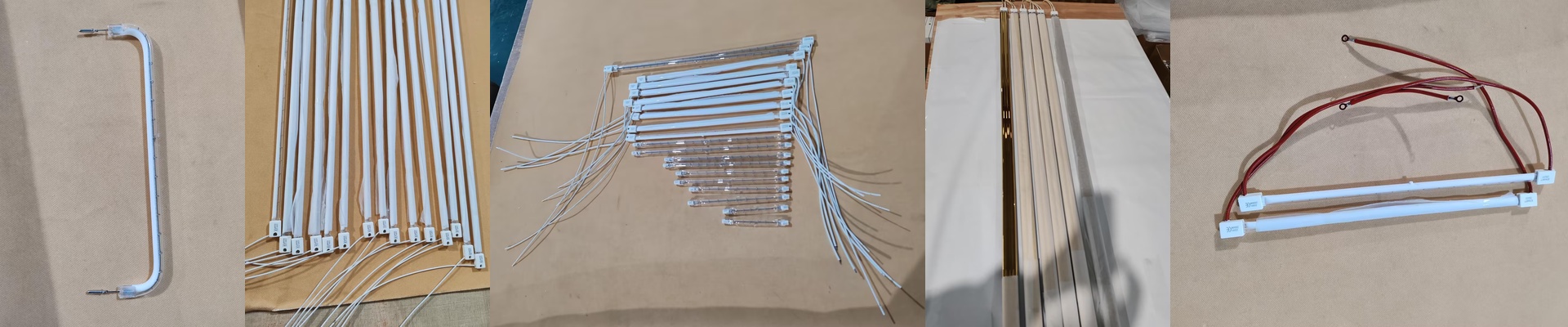
We build infrared radiators with one clear purpose: to slide right into your injection molding setup and handle plastic annealing without slowing things down. The whole point? To match your press’s rhythm, automatically easing out post-mold stress, so your line never has to pause. This isn’t just a heater. It’s a teammate, working right alongside your automated process.
Power, Voltage, and Fit
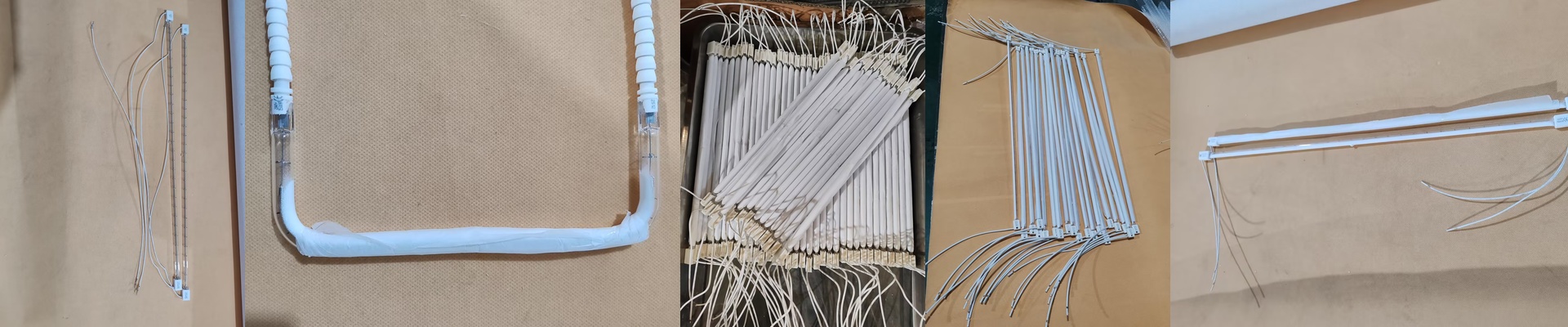
Injection molding runs on speed and consistency, and your annealing tunnel needs to keep up. That’s why our radiators pack serious heat into a small space. They’re designed to slip into tight spots without a fuss. The 400V setup gives you the wattage needed for a lightning-fast temperature ramp. So your parts hit the annealing temp exactly when they need to, without eating up extra time. We size the tube length to match your part and the tunnel width, so you get even heating across the board. No oversized cabinet. No bottlenecks. Just a smooth, uninterrupted flow.
What’s Inside: The Details That Matter
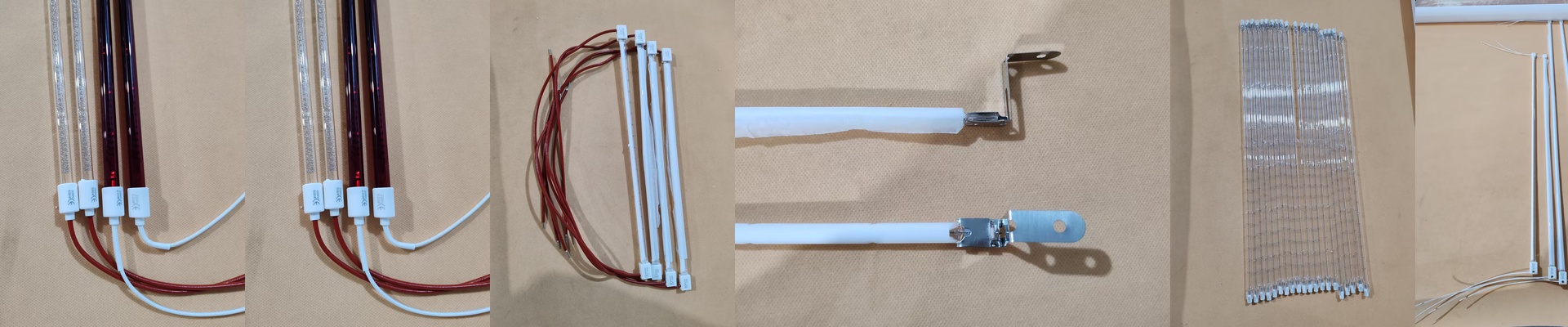
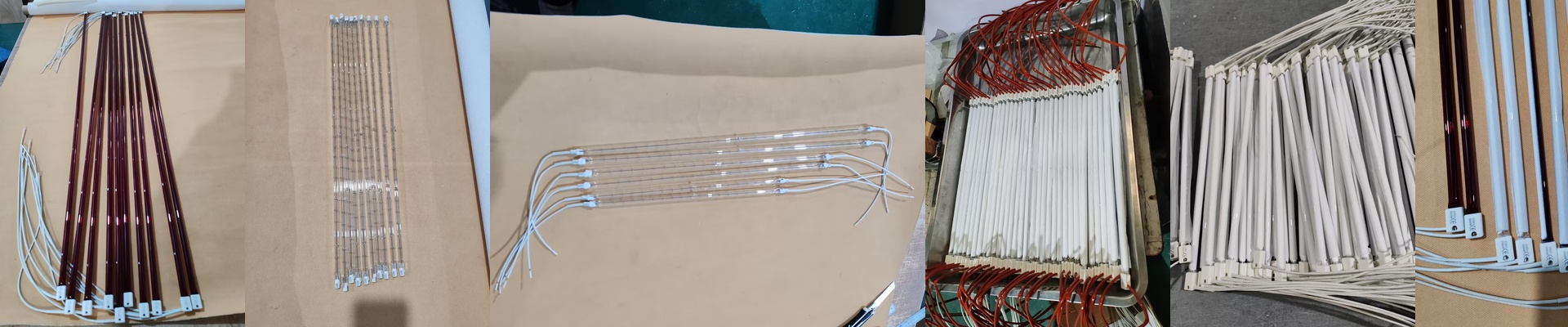
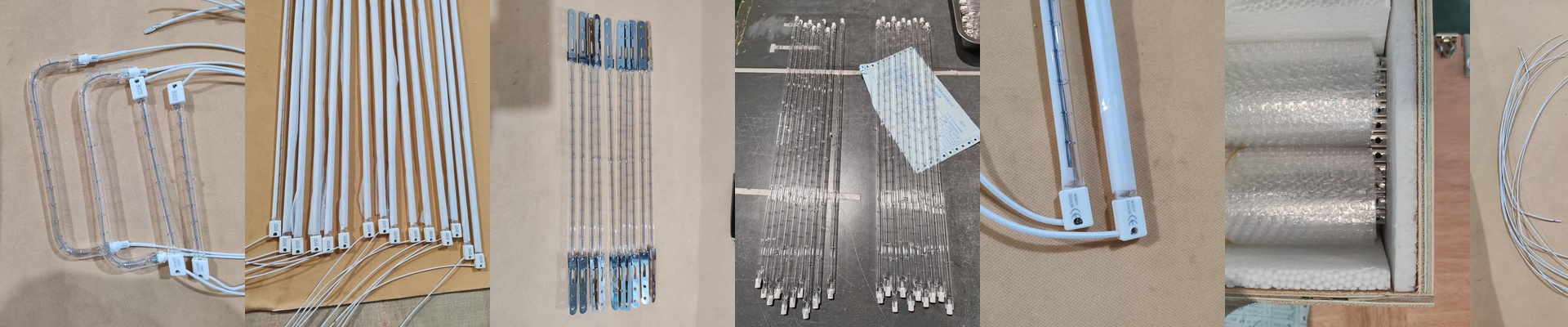
We lean on halogen technology inside a quartz envelope because it delivers shortwave infrared that gets absorbed fast by plastic. The result? Quick, direct heating that feels immediate. A reflective coating on the tube pushes heat forward, wasting less energy and keeping nearby components safe. And for the connectors, we stick with R7s or SK15—the kind that hold up in real-world conditions. They’re easy to wire, stay steady even with vibration, and handle the heat inside the tunnel. When it’s time for maintenance, swapping the unit out is straightforward. No hassle.
How It Works in the Real World
Inside a custom infrared annealing tunnel, the radiator becomes part of the rhythm. Sensors track the part as it moves, and the heaters fire on cue, perfectly synced with the injection press. This coordination gives you consistent stress relief for materials like PET and other crystalline-prone polymers, which means better dimensional stability. Now, with that kind of high-density infrared output, you do need to plan for cooling and airflow to manage the ambient heat. But when the whole system is dialed in, you get repeatable annealing with almost no babysitting. Just predictable performance, cycle after cycle.