What Makes These Heaters Actually Work
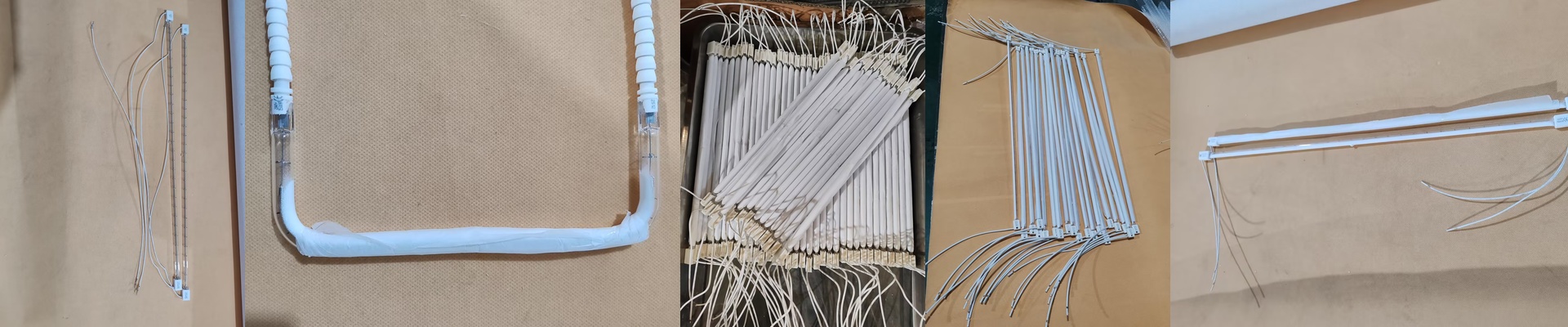
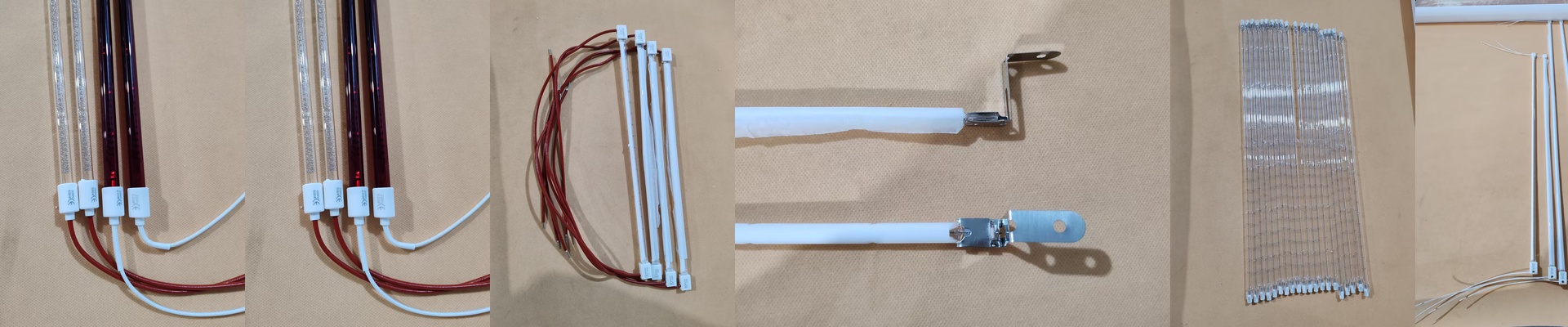
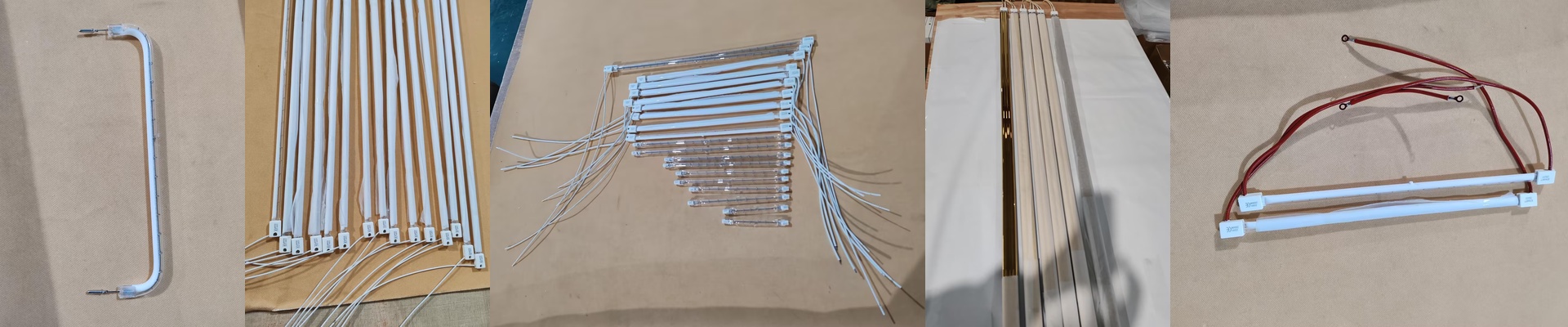
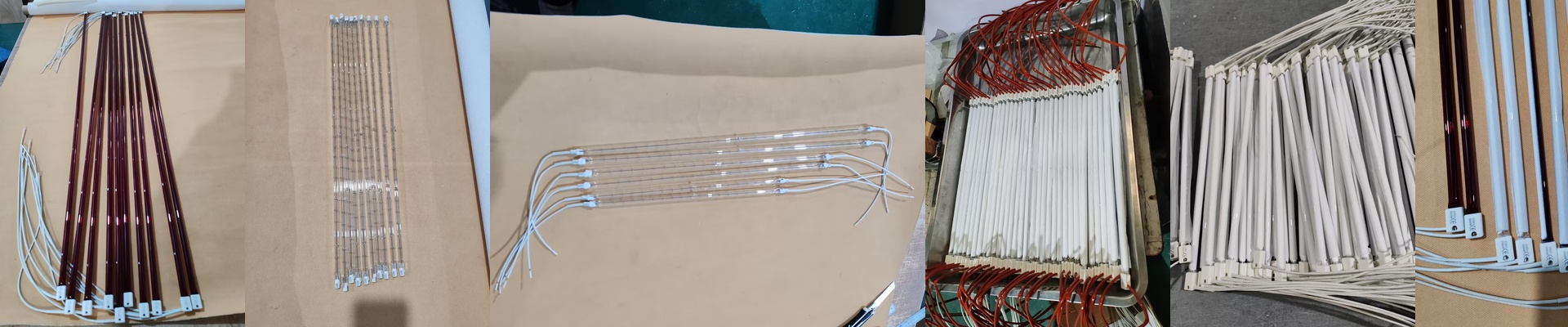
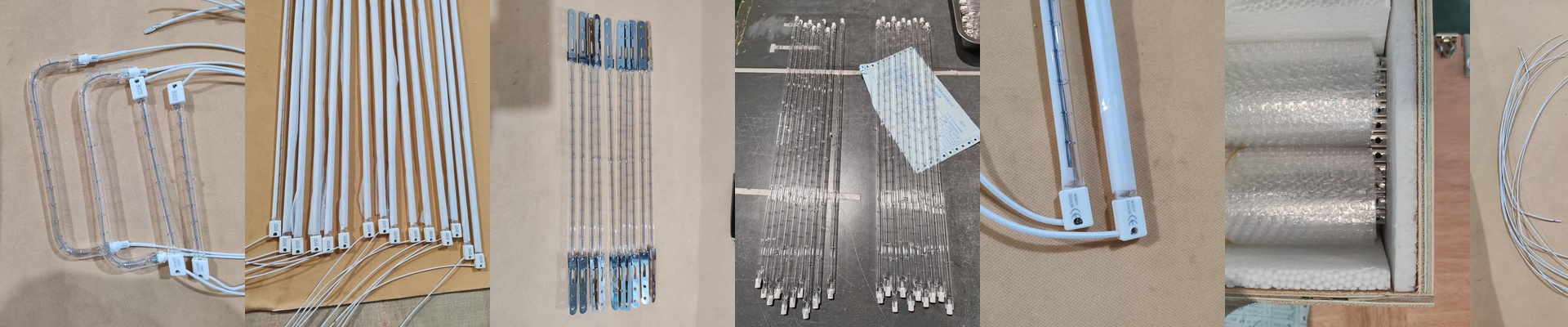
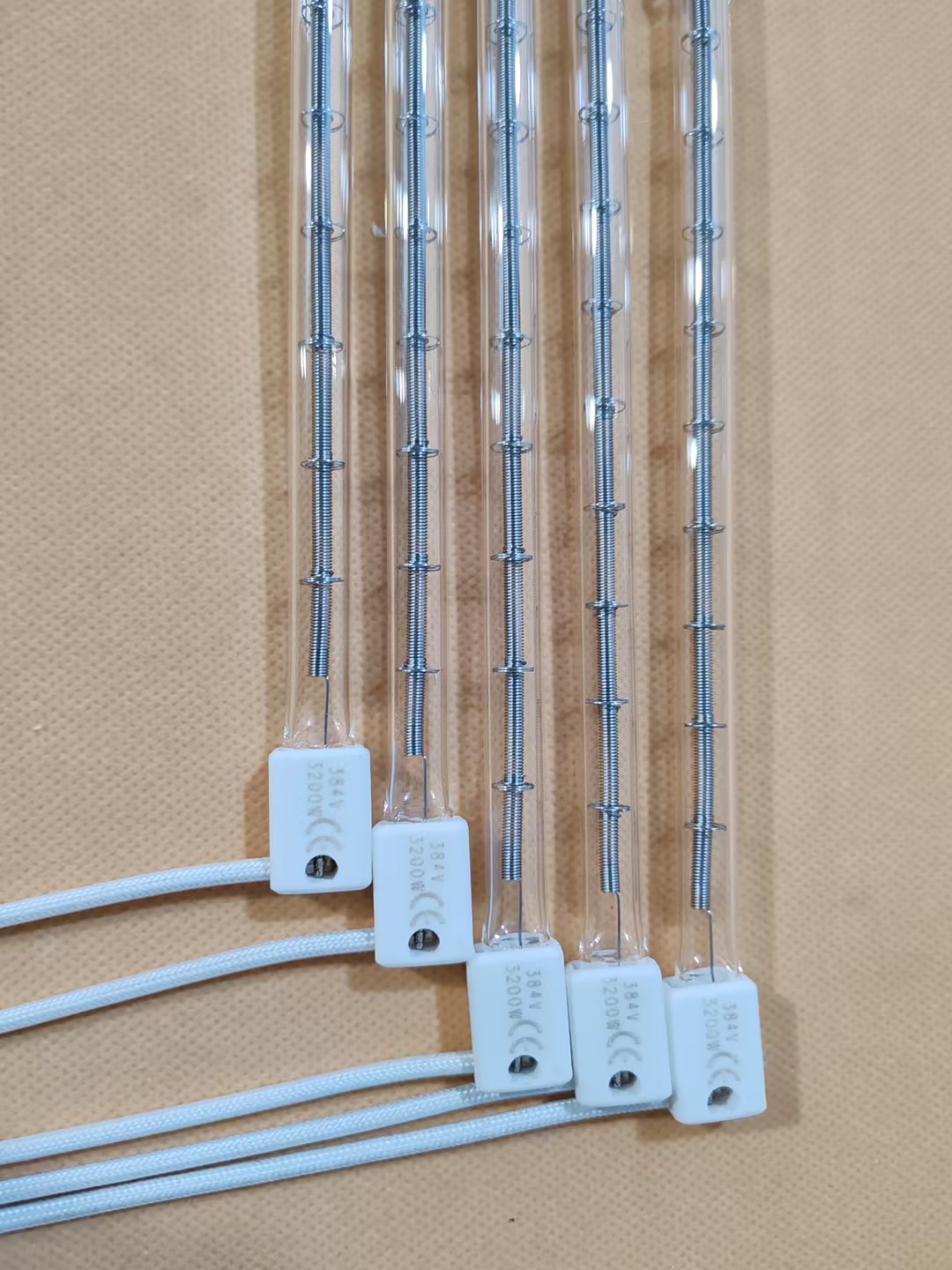
Let’s talk about the real power behind these quartz halogen heaters. They’re built for the tough stuff—the kind of industrial work that needs intense heat, right now. When we size up a unit, it’s all about getting the wattage and voltage right. Take a 400V, 2500W setup, for example. It’s designed to pack a huge amount of heat into a small space. That kind of power density means the heater gets up to temperature almost instantly. But, and this is important, it also means your electrical setup needs to be ready for the demand. The voltage rating is there to make sure it plugs right into your power supply, and the wattage? That’s the dial for the heat you need, whether you’re melting or curing. And with a length of 300mm, it’s made to slip right into standard industrial spots. No fuss, just a clean drop-in replacement.
Inside the Tube: The Secret to the Heat
The heart of the heater is the quartz tube. It’s the reason these things can handle insane temperatures and blast out infrared energy so effectively. Inside, a halogen cycle keeps the filament clean. That’s what gives the lamp a long life and keeps the heat output steady. No more of that blackening that kills regular bulbs. We also coat the tube with a special reflective layer. It focuses the infrared energy forward, so you’re not wasting heat. It just gets where you need it. And the R7s connector? That’s the standard for a reason. It gives you a solid, two-point connection that can handle the high current without coming loose. It’s a connection you can trust, even on a loud, hot shop floor.
The Real-World Grind and What It Costs
These heaters are the go-to for jobs like PET blowing, where you need heat that’s both precise and fast. The high wattage, focused output, and quick response make them perfect for heating plastic preforms. But here’s the trade-off. That kind of intense heat puts a lot of stress on the surrounding equipment. The machine has to be built to handle the extra heat. Proper cooling isn’t just a good idea—it’s a must. It protects the sensitive parts and keeps the heater from pushing past its limits. So when you’re planning, you have to think about the whole thermal picture, not just the heater itself.