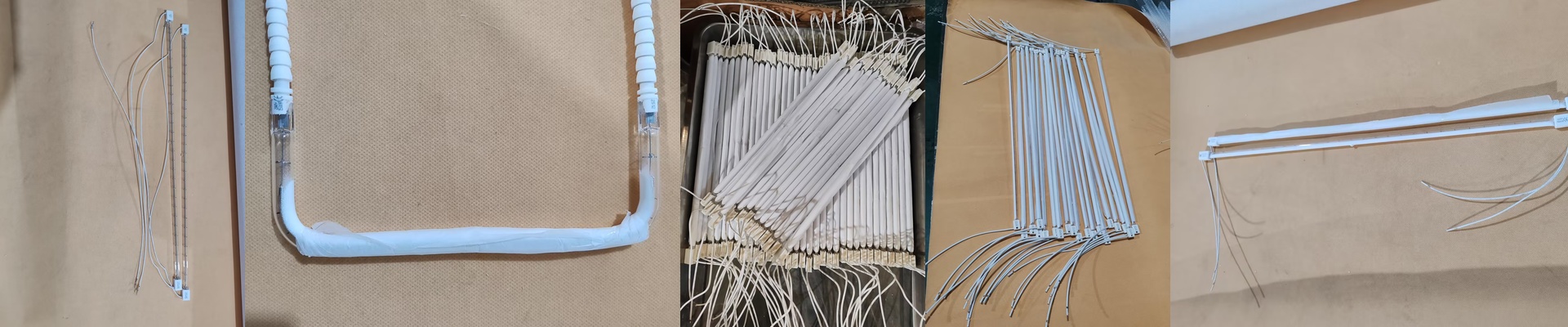
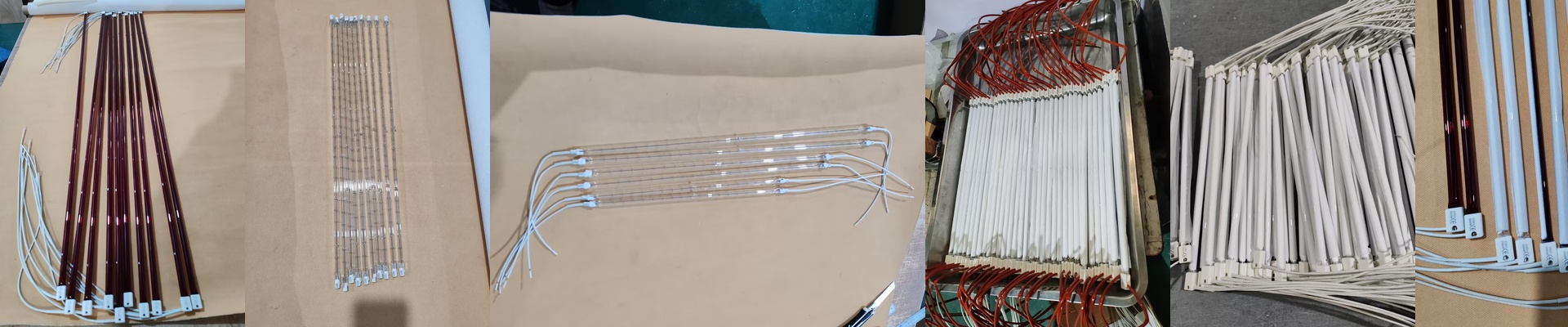
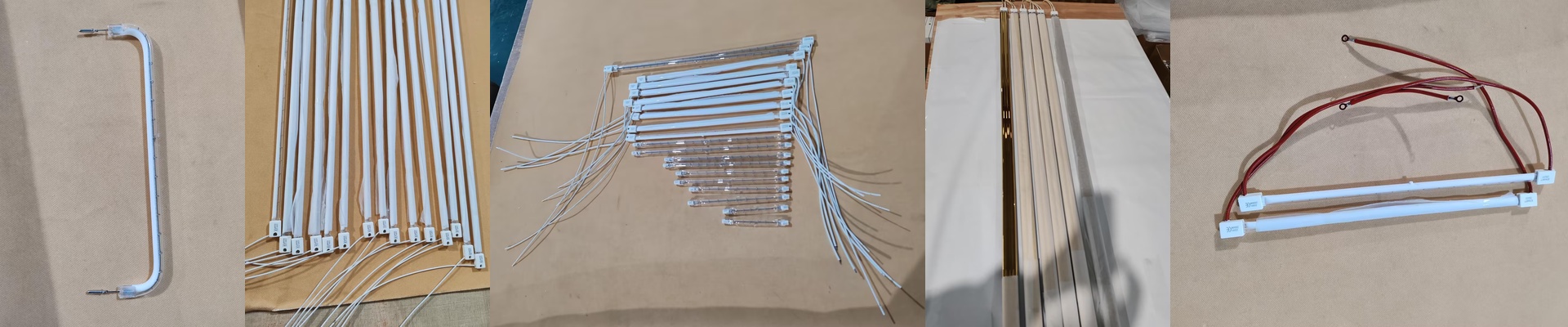
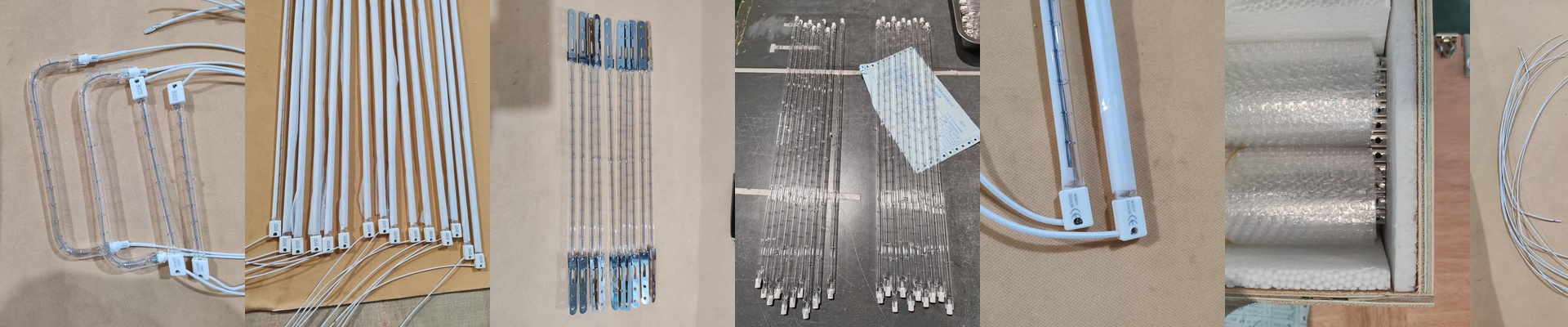
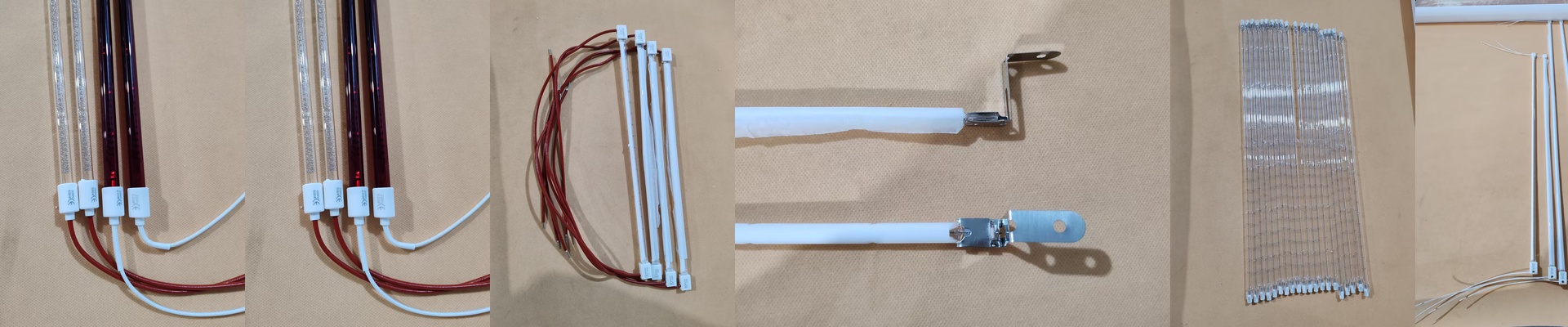
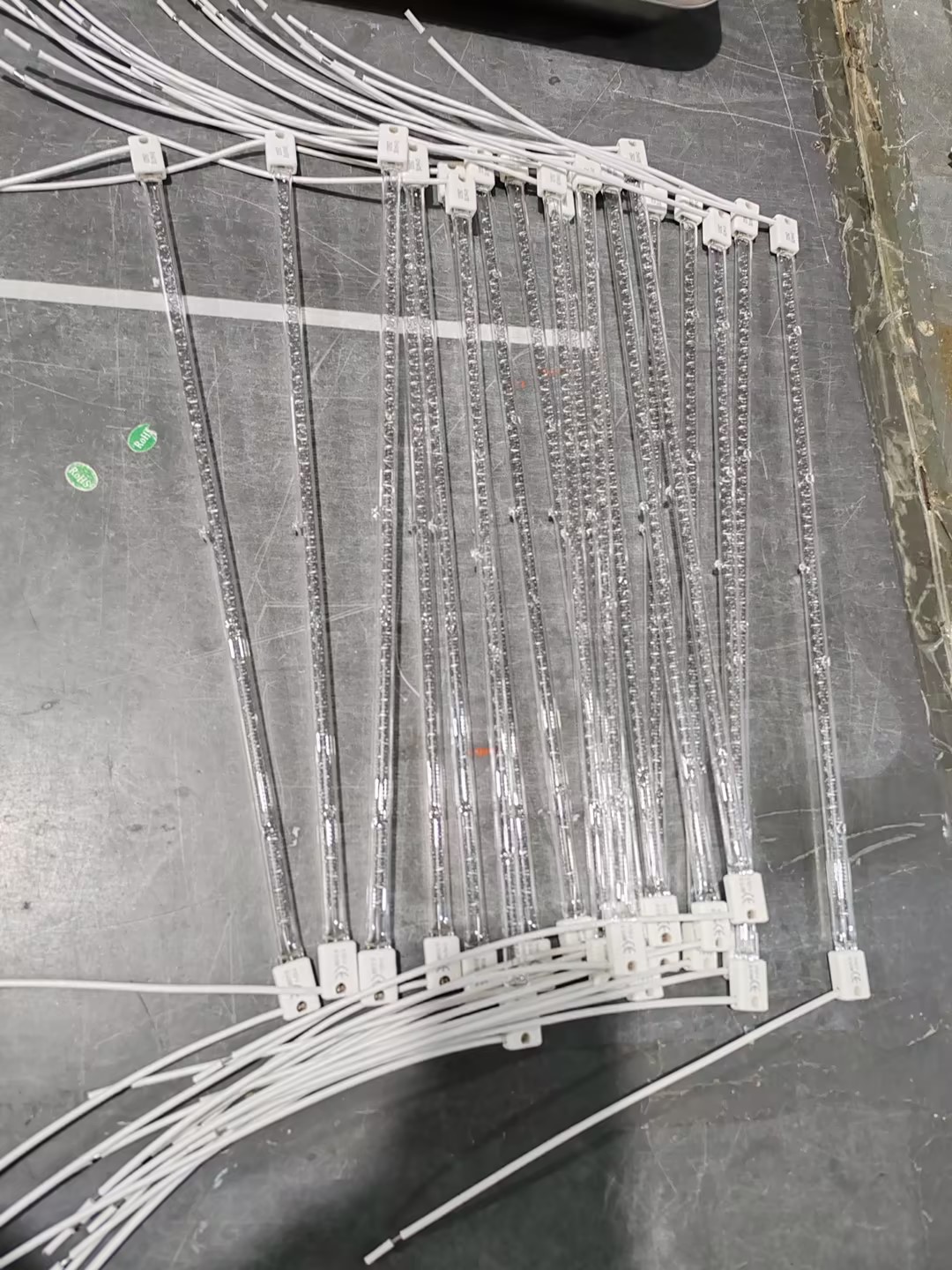
We make halogen heating lamps for engineers who refuse to settle for off-the-shelf compromises. You need precise thermal control, and we build for that reality. Our 1000W and 2000W halogen systems are engineered for industrial duty—because when you’re matching a machine, wattage, voltage, and fit have to be right. Not the other way around. Here’s the thing: halogen heating starts with getting power and voltage to line up. We offer 1000W and 2000W outputs, and we match the electrical design to your line voltage so the lamp runs at its rated power—no pushing the circuit beyond what it’s built for. Then we dial in the tube length and overall dimensions to match your exact heat zone. The result? A predictable heat profile instead of crossed fingers and guesswork. More power in a small footprint means higher heat density. That translates to faster warm-up and tighter control over small target areas. But more power in a tight space also means you need proper ventilation and thermal management to keep everything—components and surroundings—safe. We plan for that reality up front. Inside, the halogen cycle keeps the filament stable at high temperatures, which helps maintain consistent output over the life of the lamp. The quartz envelope takes the thermal shock of rapid cycling and keeps performing under high-intensity conditions. Many setups use a reflective coating to focus infrared energy forward, so more heat goes where you want it and less is wasted. For termination, we lean on R7s and SK15 connectors. Why? They give solid mechanical retention and reliable electrical contact—critical when the lamp is wired into a production machine that vibrates and cycles on and off. These lamps live on the plant floor: PET blowing, plastic heating, and other processes that need fast, controllable heat. Custom wattage and dimensions let you match the heat pattern to the part geometry. Installation is straightforward, and the robust build handles repeated thermal cycling without getting moody. When you spec it right, you get predictable heat, easier integration, and fewer surprise changeouts. One important note: high-wattage halogen lamps throw intense infrared energy. Always use proper shielding and thermal protection, and make sure your fixture and wiring are rated for the lamp’s voltage and current.