Stop Chasing Burnt-Out Lamps
Let’s be honest: swapping out a dead heater lamp is a pain. It’s a tedious little chore that feels like it shouldn’t matter. But here is the thing. Those “quick” stops are actually bleeding your production dry. When your line grinds to a halt just to change a bulb, you aren’t just losing five minutes. You’re losing throughput. Do the math over a full year, and those tiny interruptions turn into a massive hole in your capacity. It’s a quiet killer for your efficiency.
Getting the Heat Right
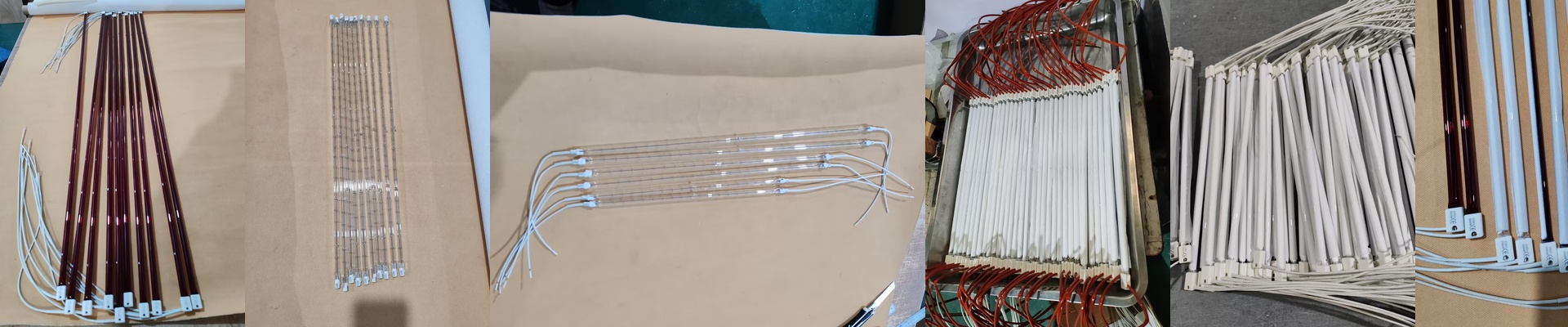
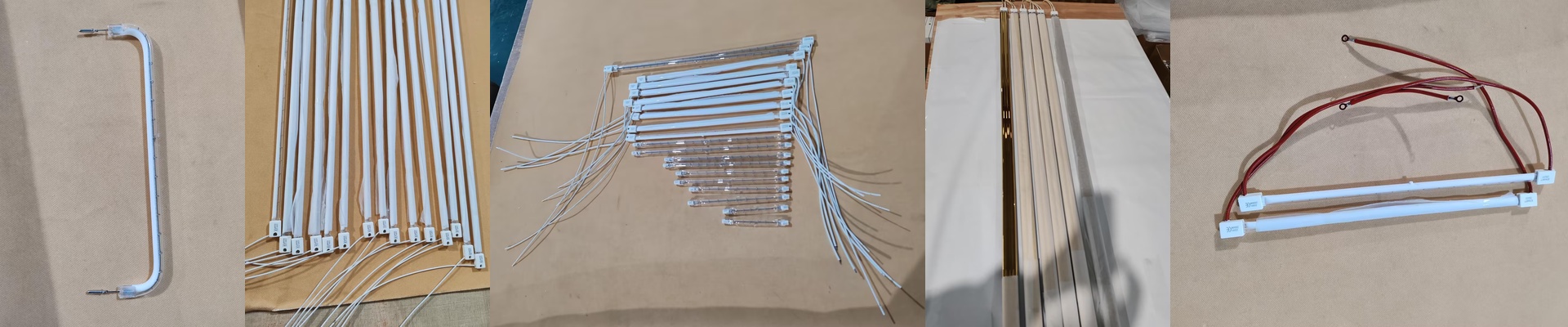
If you’re running a PET blowing line at top speed, you can’t afford to wait around for your heaters to catch up. You need heat, and you need it now. We design our heaters to pack a serious punch in a small space. By dialing in the voltage and wattage just right, the quartz gets hot instantly. No lagging. No guessing. And most importantly, you don’t have to slow down your conveyor just because you’re worried about cold spots.
The Nitty-Gritty of Quartz and Connections
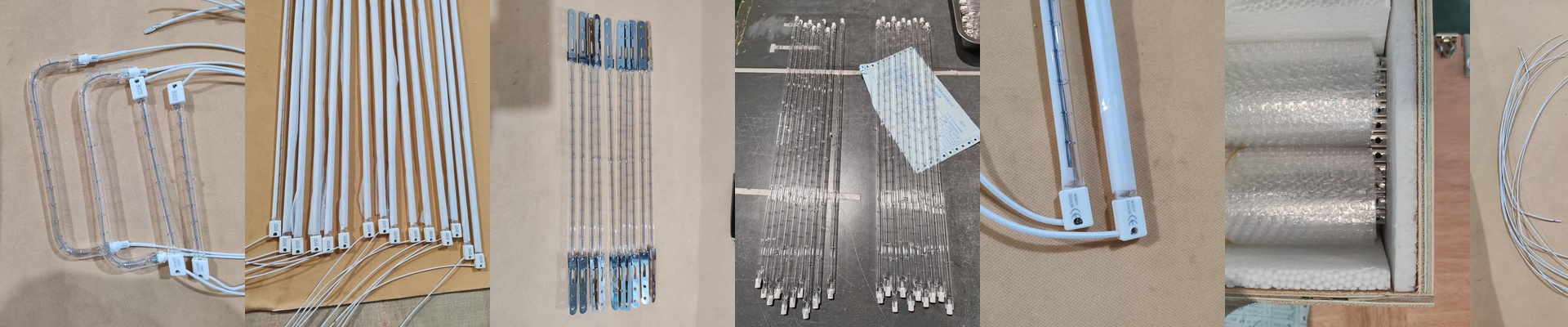
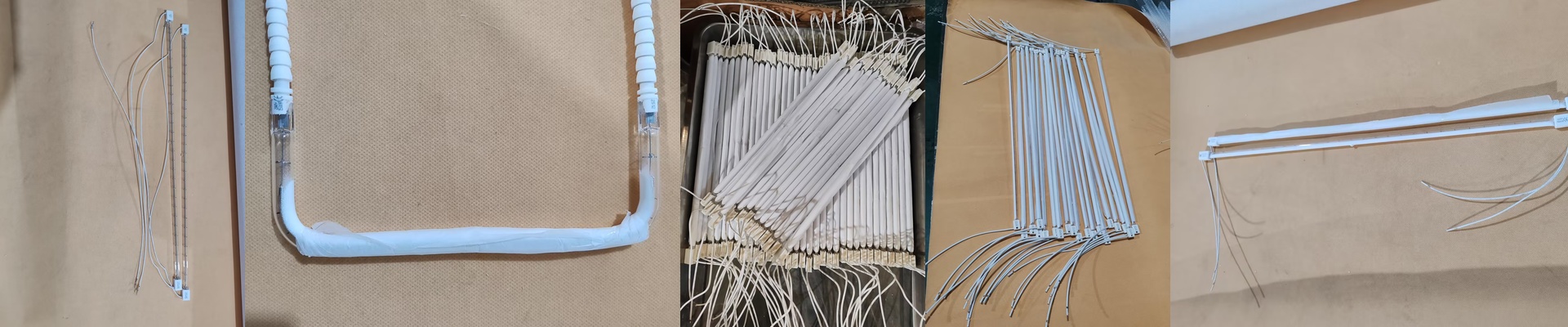
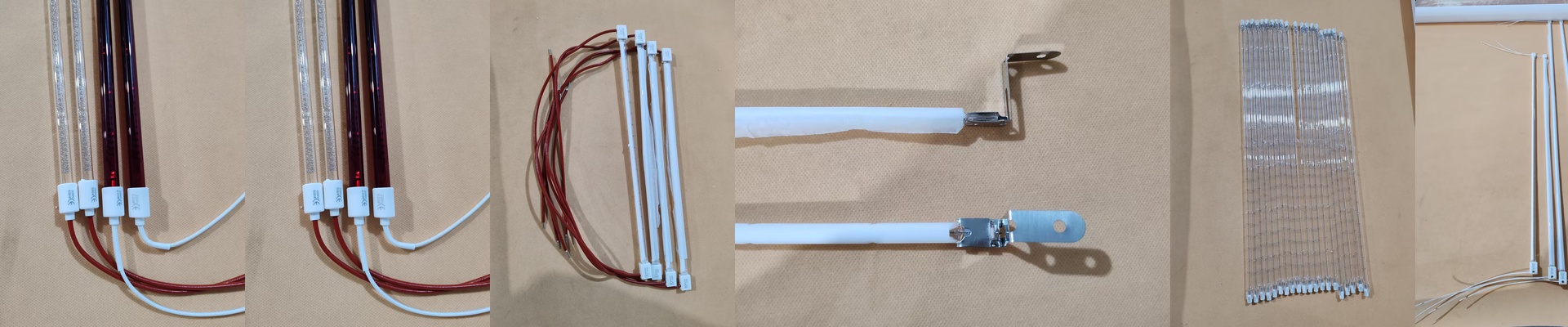
We use high-purity quartz because it can handle the shock of being turned on and off rapidly without cracking. But the glass is only half the story. Whether you use an R7s or an Sk15, the fit has to be perfect. A loose connection is a disaster waiting to happen—it creates resistance, which leads to overheating right at the terminal. That’s usually why lamps fail early. We tighten those tolerances so the lamp stays put, even when the machine is shaking. Plus, we have some coated options that push the heat deeper into the plastic. It’s a great way to avoid those annoying surface scorches.
The Balancing Act: Power vs. Cooling
Here is the trade-off: high-wattage lamps are great for hitting your cycle times, but they turn your oven housing into a sauna. If you crank up the wattage to move faster, you’ve got to make sure your fans and vents can actually keep up. If the air isn’t moving, you’re risking warped reflectors or fried sensors. It’s all about balance. At the end of the day, investing in a higher-grade lamp just means you stop playing the “swap-and-restart” game. You put them in, you turn them on, and you actually get to keep the line running.