Introduction
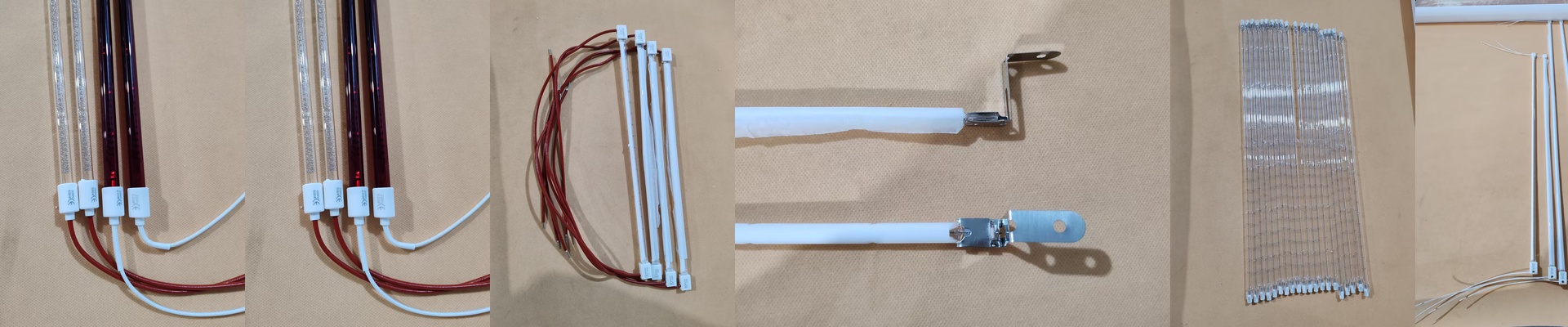
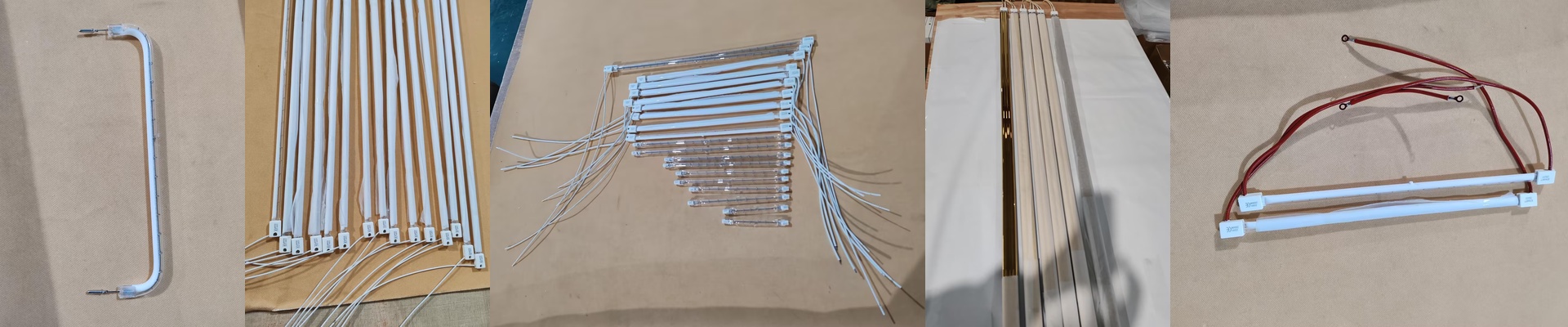
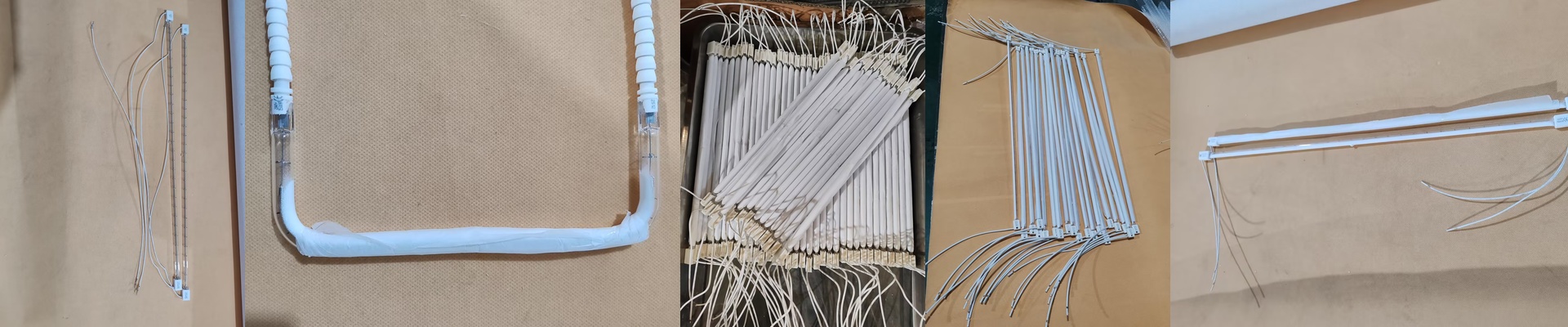
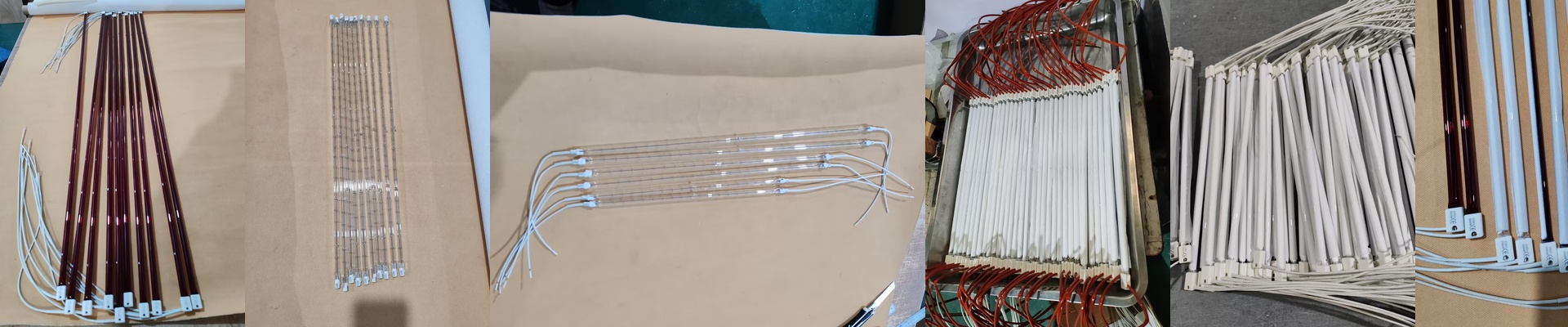
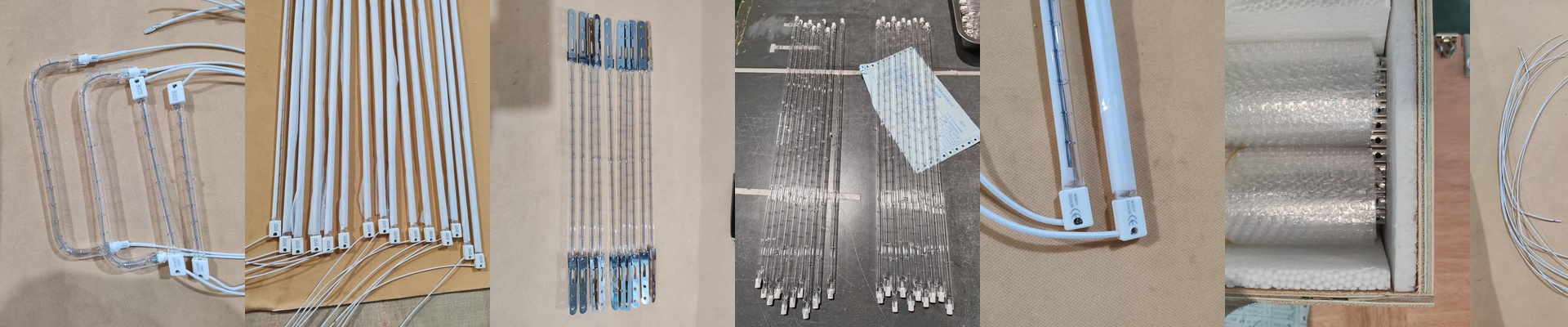
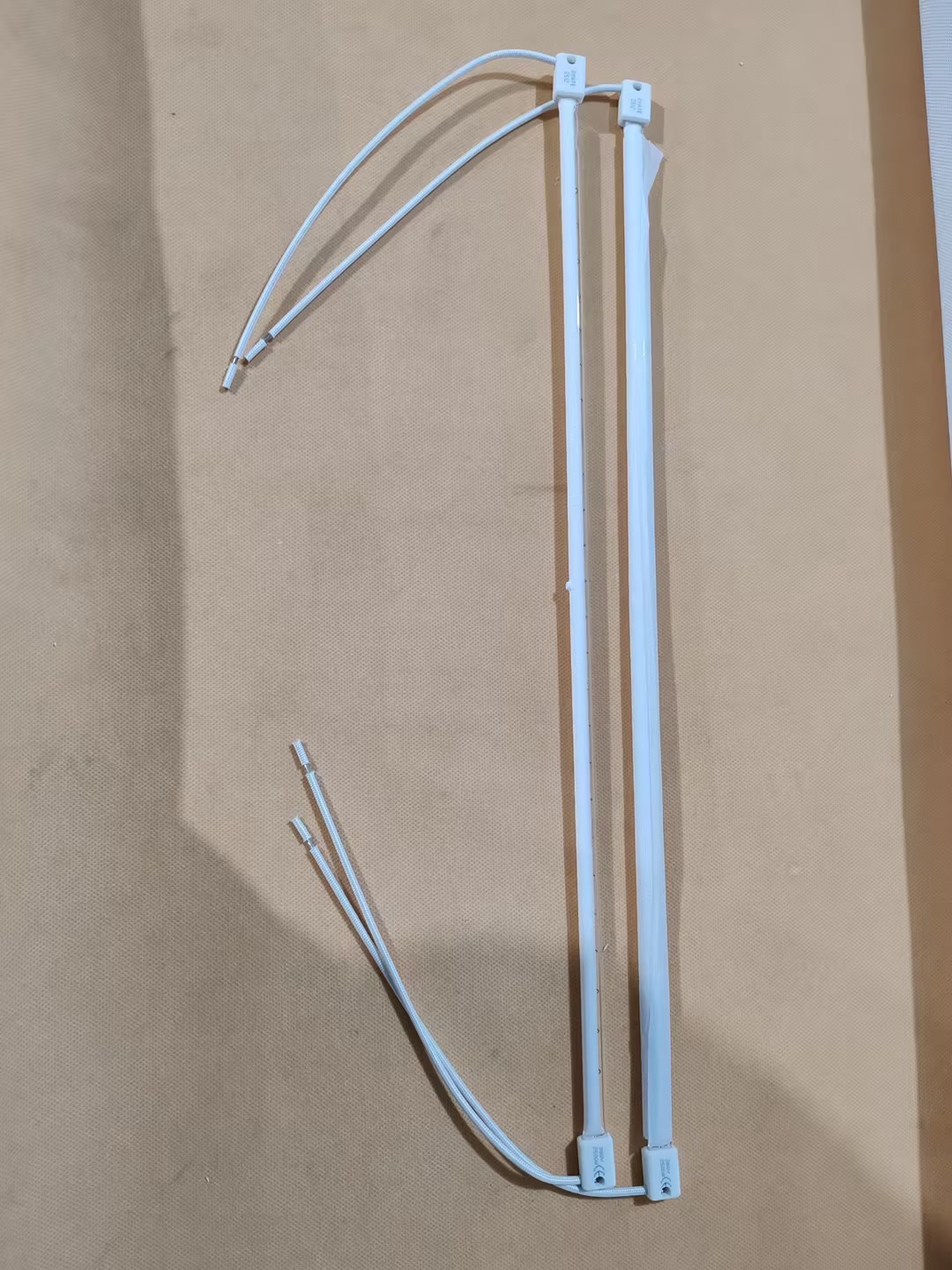
We make jacketed halogen infrared heaters for industrial machines that need heat—fast—and right where you need it. These aren’t just bulbs. They’re purpose-built heat sources, born to drop into your existing gear and keep working, even when the conditions get rough.
Power, Voltage, and Size: What Actually Matters
When we talk specs, we keep it practical: wattage, voltage, and length. A typical setup is a 400V supply pushing 2500W through a 300mm tube. Why 400V? Because it gives you serious power without forcing the current through your wiring. That means less stress on the wires and less heat building up at the connections. And that 300mm length? It creates a clean, predictable heat zone that lines up with standard machine openings. So you can replace an element without reworking the whole housing. The power density is intentionally high. That’s why the heat comes on fast and you can control it precisely. But it also means the parts around the lamp need to be ready for the heat. Match your control system and cooling to the load, and everything stays happy.
Built to Take It: Quartz, Halogen, and the R7s Base
The heart of it is a quartz envelope. Quartz handles wild temperature swings without cracking, and it lets infrared energy pass through cleanly—so the energy goes where you want it. Inside, the halogen cycle keeps the filament clean at high temperature. That stabilizes output over the life of the lamp and keeps performance from fading due to blackening. And the R7s connector? It’s the standard for a reason. It can handle the heat and the electrical load, gives you solid two-point contact, and fits the lamp’s shape. You wire it up quickly, and it stays connected even when the machine is vibrating and heating up, then cooling down, again and again.
Where It Shines: Fast Heat, Small Footprint
These lamps are made for the moments when you need heat on demand—in a tight spot. Think plastic processing, coating curing, and other industrial heating steps where timing and temperature matter. The jacketed design doesn’t just protect the element. It helps focus the heat where you need it, so more energy hits the target and less gets wasted heating up the machine frame. Installation is straightforward. With standard dimensions and the R7s interface, these units drop in as replacements for many existing designs. Just plan for enough airflow and proper insulation around the heat zone. At these wattages, managing heat isn’t optional—it’s part of the system.