High-Power Halogen Infrared Heaters: The Real Deal on Power, Design, and Use
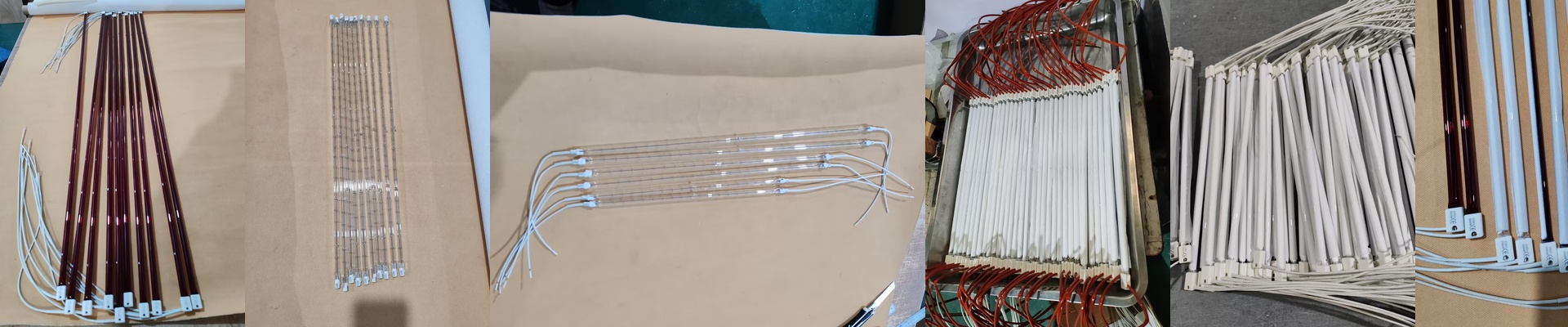
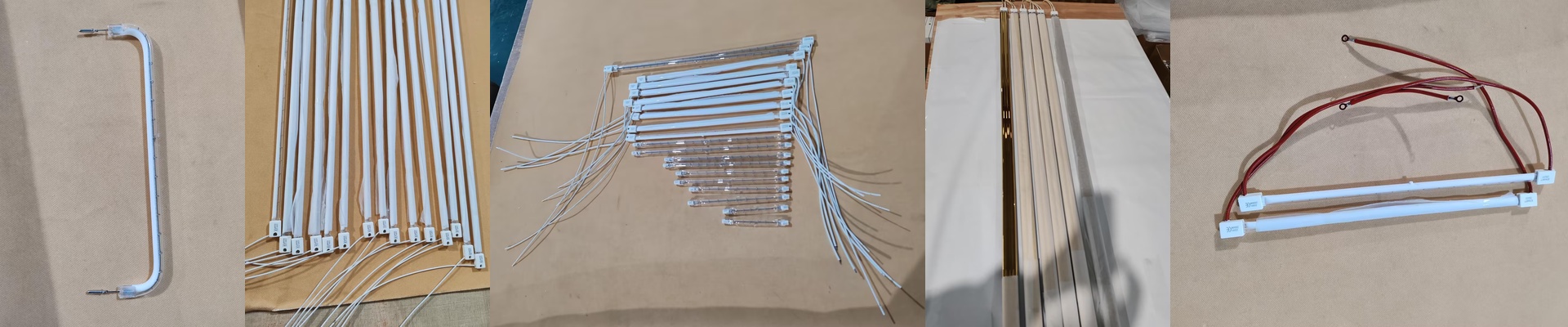
We build halogen infrared heaters for the industrial jobs that can’t wait. You know the ones—where you need heat, fast, and you need it to be precise. These aren’t your average heaters. They throw concentrated radiant energy straight where you need it, skipping the whole “warm up the air” routine. The result? Heat that hits your target immediately, right when you need it.
Let’s talk power: wattage, voltage, and size
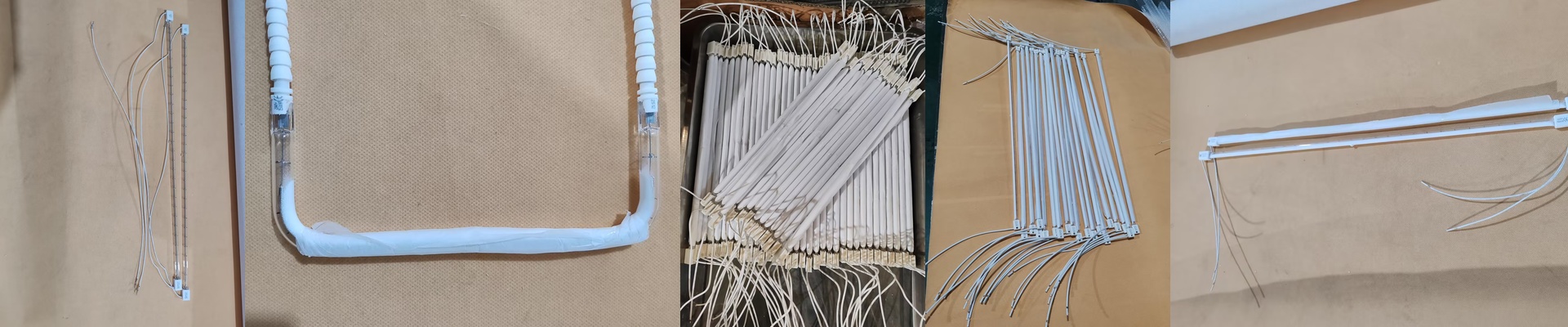
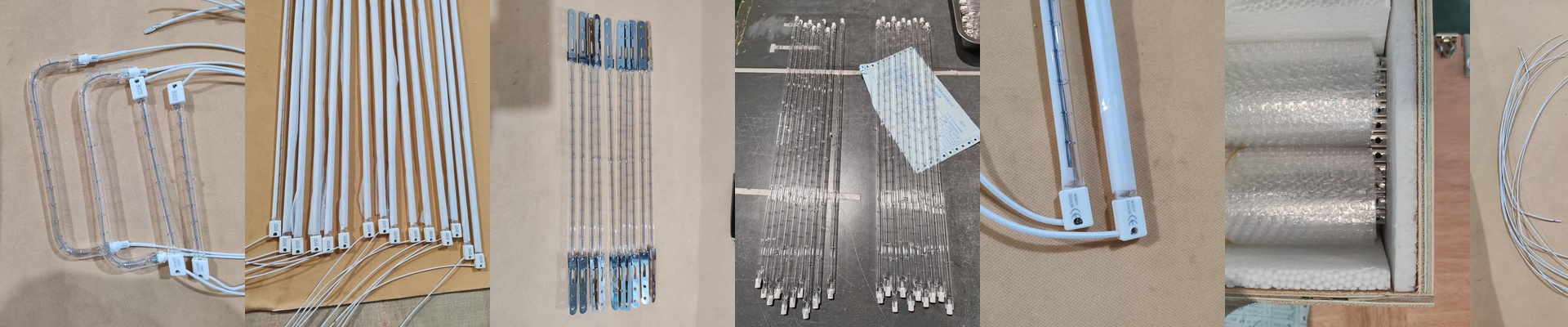
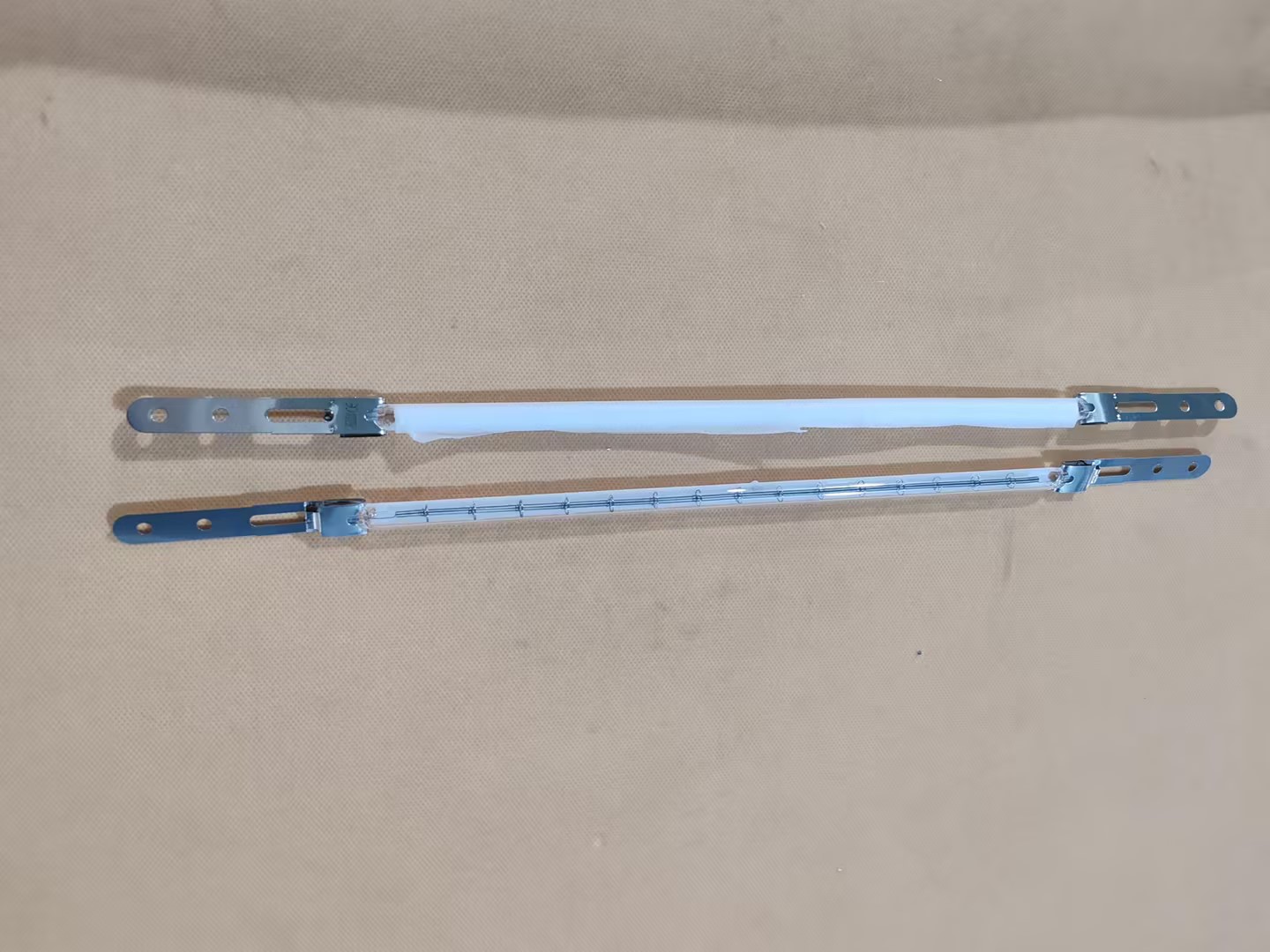
When we size these lamps, we’re matching three things: the heat load, the power, and the space you have to work with. High-wattage units can go all the way up to 2500W. To keep things manageable, we pair that with higher voltages, like 400V. Why? It keeps the current lower, so your cables stay reasonable and your connections stay solid—no unnecessary stress. And the footprint? A typical 300mm tube packs that power into a tight space. So you get serious heat flux exactly where you need it, without taking up extra room on the machine.
Built to last: quartz, the halogen cycle, and solid connections
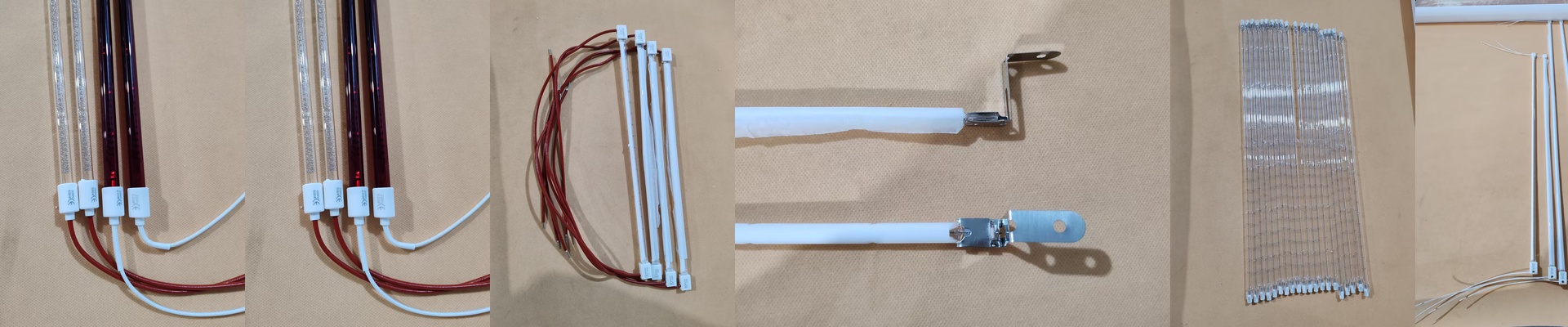
The tube is quartz, and that’s no accident. It stays stable at high temps and lets infrared energy pass through cleanly. Inside, the halogen cycle is quietly doing its job—recycling evaporated tungsten back onto the filament. That keeps output steady and stretches the lamp’s life way beyond what you’d get from a standard incandescent element. Because of the halogen fill, we can run the filament hotter, which pushes more energy into shortwave infrared. That means fast, penetrating heat—the kind that gets the job done quickly. For the ends, we use an R7s base. It’s a straightforward, mechanically secure connection that can handle the constant heat-up and cool-down without getting finicky.
Where they shine: real-world industrial use
These lamps are the go-to whenever you need fast, localized heating. Think PET blowing, thermoforming, curing adhesives, and drying coatings. The shortwave output means temperatures jump quickly, which helps you keep line speed up and results consistent. They’re compact, and they couple heat directly to the target, so they drop in easily when you need a replacement. Now, the trade-off: that intense heat density means you need proper cooling and a well-designed reflector. Otherwise, nearby parts can get hotter than you might expect. Plan for it, and these heaters become the reliable workhorses they’re built to be.